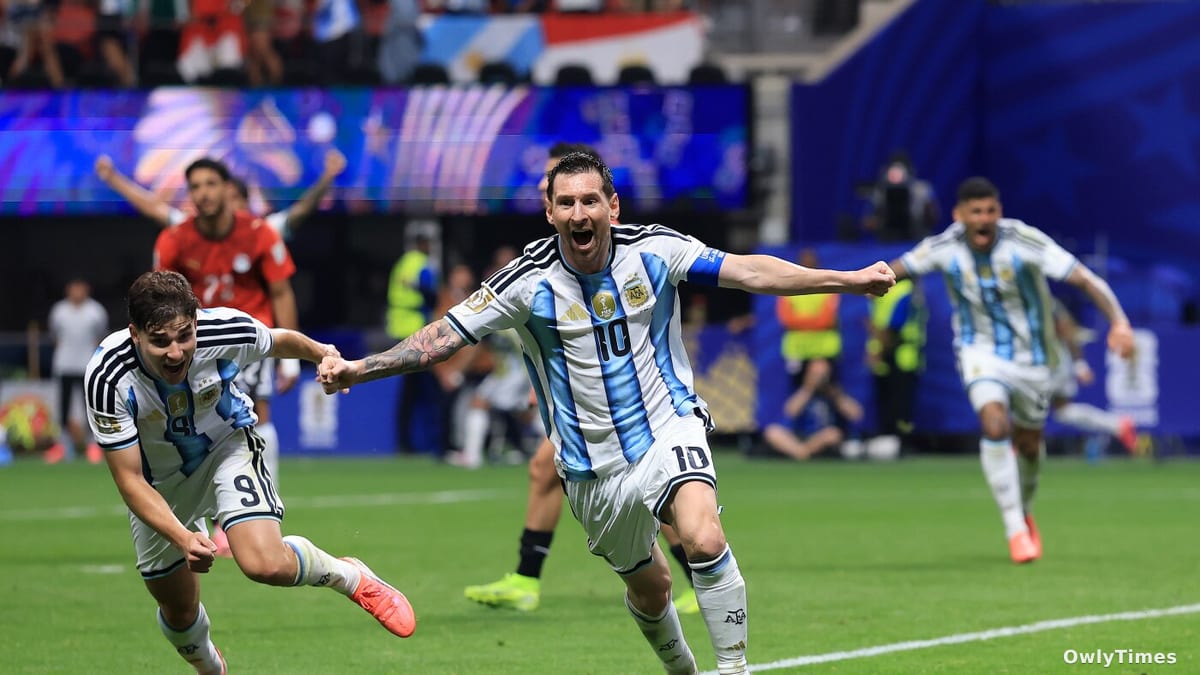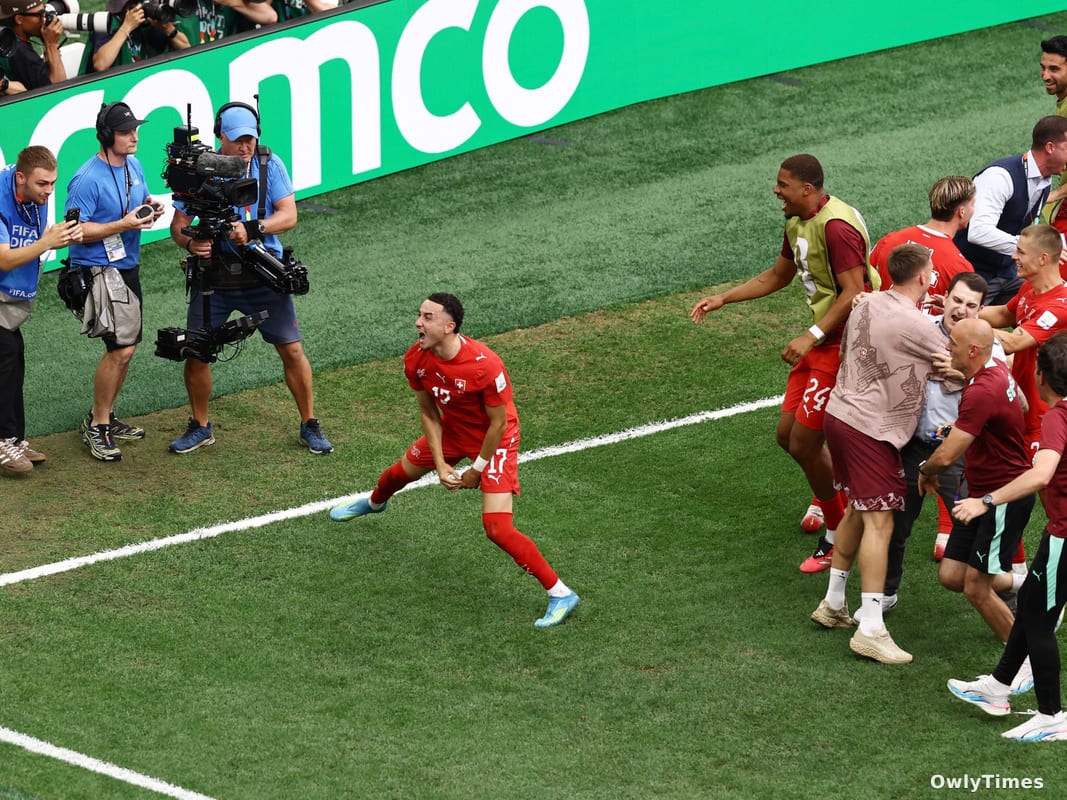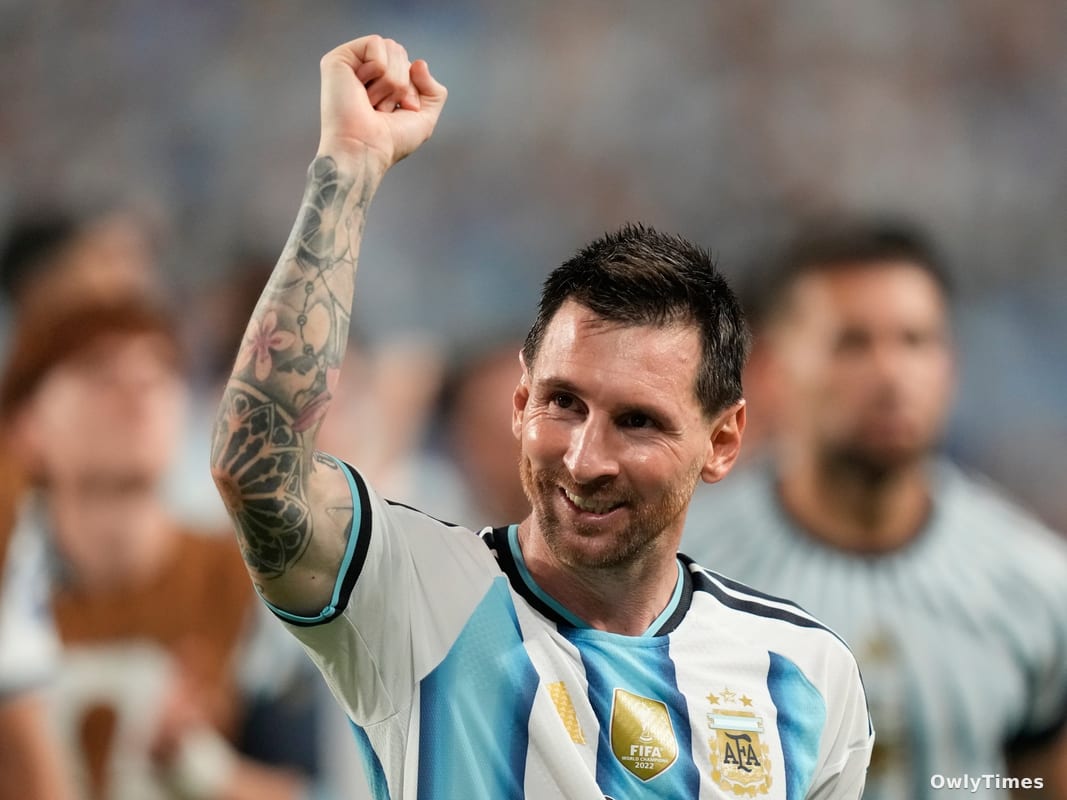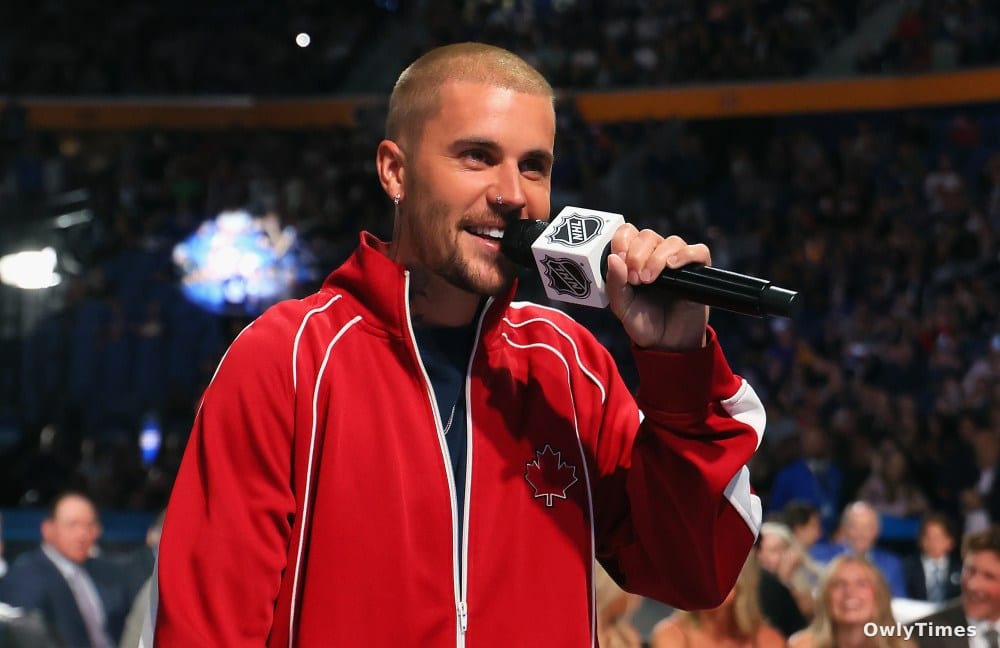

Is the modern spectacle of a global sporting event actually a tech-enabled philanthropic engine, or just a glorified concert series with a stadium-sized ego? As the 2026 FIFA World Cup approaches its climax, the industry is buzzing over the addition of Justin Bieber to the lineup for the tournament’s inaugural halftime show. While the headlines focus on the star power, the real story here isn’t just the musical performance—it’s the attempt to operationalize massive cultural influence into a $100 million financial vehicle for global education.
According to Variety, the event is scheduled for July 19 at the New York New Jersey Stadium. Billboard clarifies the venue as MetLife Stadium in East Rutherford, N.J., highlighting the confusion often surrounding the sprawling infrastructure of these mega-events. Regardless of the naming convention, the logistical scope is unprecedented for a football match. The show is being produced by Global Citizen in partnership with Live Nation and Done + Dusted, per Rolling Stone, marking a shift toward a Super Bowl-style commercial and entertainment model that the soccer world has historically avoided.
The Math Behind the Music
This isn't just about pop stars sharing a stage; it’s an integrated fundraising platform. The FIFA Global Citizen Education Fund has already secured $50 million, according to both Variety and Rolling Stone. The mechanics of the remaining $50 million rely on a direct micro-donation model: $1 from every ticket sold for World Cup matches is being funneled into the fund.
Think of this like a "subscription tax" for the live experience, where the ticket holder becomes an unwitting investor in the charity project. Hugh Evans, co-founder and CEO of Global Citizen, claims this will be the largest gathering of artists for a cause since Live Aid, potentially serving as the most-watched 11 minutes of broadcast music in history. It is a bold claim that frames the halftime show not merely as entertainment, but as a high-stakes, data-driven effort to pressure world leaders like President Macron and Prime Minister Sánchez to contribute to the fund.
Curating the Chaos
The show’s creative direction is being steered by Chris Martin of Coldplay, who is acting as the international curator for the Global Citizen Festival. He is pulling together a disjointed list of performers, including Madonna, Shakira, BTS, Burna Boy, Gustavo Dudamel, and the PS22 Chorus. While the inclusion of the Muppets—specifically Kermit and Miss Piggy—adds a layer of surrealism, it underscores the broadcast strategy: target every demographic simultaneously to ensure maximum reach for the underlying message.
This follows a month of heavy musical integration throughout the tournament. Rolling Stone notes the series of performances that defined the opening, from Katy Perry and Tius Luka to the diverse array of artists at the Mexico City opener. However, the final show represents a pivot toward a singular, unified brand narrative that FIFA President Gianni Infantino hopes will "transcend the final whistle."
For the average viewer, the tech-driven shift here is the conversion of passive entertainment consumption into a tracked, measurable philanthropic output. The real test of this model will come immediately following the match. With the tournament winding down and only eight countries remaining in the hunt for the trophy—including Argentina, France, and Spain—all eyes will be on whether the $100 million goal is reached by the time the final whistle blows on July 19. If it hits the target, expect every major global sporting event to adopt this "integrated impact" model by 2028.