
The scene in Cairo’s coffee houses was a masterclass in collective emotion: hundreds of eyes locked on screens, a nation holding its breath as its national team stood on the precipice of a historic quarterfinal berth. Across the Atlantic in Atlanta, the atmosphere was markedly different—a tense, high-stakes theater where the reigning World Cup champion, Argentina, looked to be staring down an ignominious exit. By the time the final whistle blew, the tournament had been defined by a jarring contrast: the heartbreak of an underdog’s historic run colliding with the relentless, sometimes controversial, survival instinct of the world’s best.
According to NPR, Egypt had successfully stifled the defending champions for nearly 80 minutes, fueled by a 15th-minute header from Yasser Ibrahim and a second goal from Mostafa Ziko in the 67th minute. The Independent notes that for Egypt, this was their first-ever knockout stage appearance, a journey that had captured the imagination of the most populous Arab nation. Yet, the momentum shifted violently when Lionel Messi—who had earlier failed to convert a penalty—orchestrated a three-goal surge in just 13 minutes. Cristian Romero and Enzo Fernandez joined Messi on the scoresheet, sealing a 3-2 victory that left Egyptian coach Hossam Hassan openly decrying the officiating, telling reporters he felt his team had suffered "injustice."
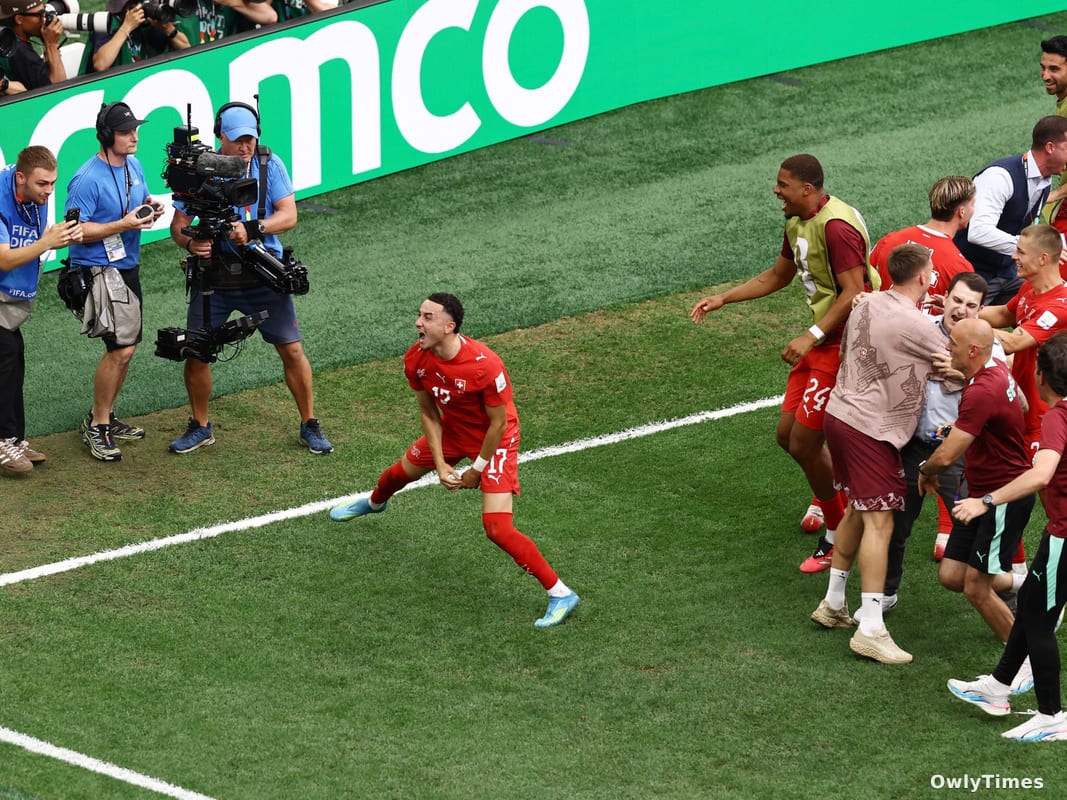
While Argentina secured its spot in the next round, the other half of the bracket saw a more attritional battle. As reported by Al Jazeera, Switzerland and Colombia fought through a scoreless 120 minutes of regulation and extra time. The match, which served as the final 2026 tournament game played outside the United States, ultimately came down to a penalty shootout. The Swiss goalkeeper Gregor Kobel emerged as the hero, saving an effort from Cucho Hernandez before Ruben Vargas slotted the decisive penalty to secure a 4-3 shootout win.
These matches highlight the physical and psychological toll of modern elite soccer, a reality often masked by the glamour of the broadcast. Beyond the tactical adjustments on the pitch, players are increasingly resorting to modifying their own uniforms to manage the sheer intensity of the tournament. WIRED reports that many athletes, including those at this year's World Cup, have been spotted with holes cut into their socks. While sports medicine experts suggest there is no physiological evidence that this provides a performance boost, players insist it relieves pressure on the calf muscles during high-intensity sprints. It serves as a reminder that even at the highest level of sport, the "human" element—the struggle for comfort and the management of nerves—remains as influential as any tactical formation.
For Egypt, the exit is a complex mixture of pride and political resonance. The Independent highlights how Coach Hassan’s vocal support for the Palestinian people during the tournament galvanized fans, turning the team into a symbol that transcended the sport. Even in the aftermath of their defeat, Egyptian President Abdel-Fattah el-Sissi lauded the team's "unprecedented accomplishment," underscoring how deeply soccer is woven into the national identity.
As the tournament moves toward its conclusion, the focus shifts to the quarterfinal stage. Argentina, having narrowly escaped a tactical nightmare against Egypt, now prepares to face Switzerland in Kansas City this Saturday, as confirmed by Al Jazeera. This upcoming clash will test whether Switzerland’s defensive resilience can withstand the momentum of a resurgent Messi, or if the defending champions will continue their high-wire act toward the trophy.