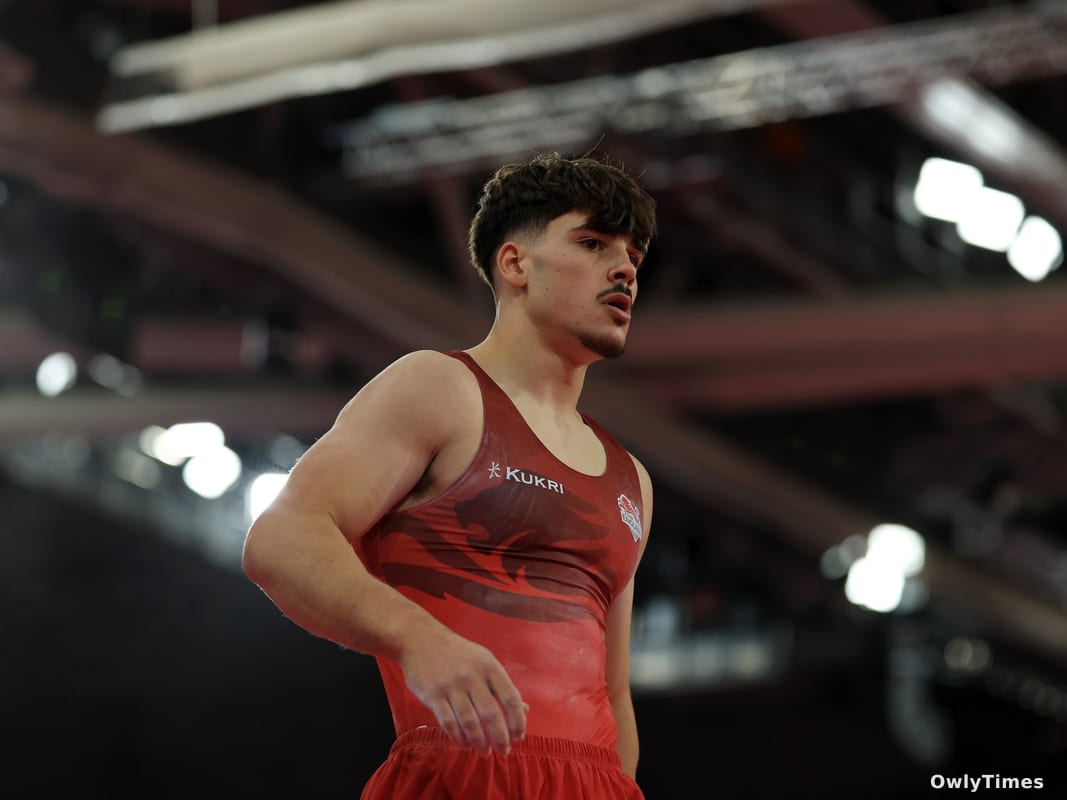

The chipped chalk dust hung in the air of the closed Iowa State gymnastics facility, a silent testament to a season abruptly ended. Not by injury, not by a pandemic, but by something far more insidious: a breakdown in the very fabric of the team. While initial statements from the university cited “injuries and health issues,” a Feb. 17 letter from Iowa State Athletics Director Jamie Pollard revealed a far more complex truth – “unreconcilable differences” between athletes, coaches, and parents had forced the cancellation, leaving a program and its athletes in a precarious limbo. This isn’t just a story about a cancelled season; it’s a stark illustration of the pressures simmering beneath the surface of collegiate athletics, where the pursuit of excellence often clashes with the realities of interpersonal dynamics and parental involvement.
Beyond Safety Concerns: A Culture of Conflict
For weeks, Iowa State officials offered a carefully curated narrative of safety concerns, a common refrain in the world of high-impact sports. Senior Associate Athletics Director Shamaree Brown initially stated the cancellation stemmed from a lack of available athletes due to health issues. But Pollard’s letter, obtained by USA TODAY Sports Network, pulls back the curtain, admitting a “recurring conflict” within the program – a conflict so pervasive it predates this season and has plagued the gymnastics team “multiple times” in its history. This isn’t a sudden crisis; it’s a pattern. The admission is particularly jarring given the increasing scrutiny on athlete well-being, and the expectation that universities prioritize a healthy competitive environment. Iowa State’s 18 other sports haven’t experienced this level of internal strife, a fact Pollard explicitly highlights, raising serious questions about the specific dynamics within the gymnastics program.
The situation is further complicated by the restrictions placed on athletes post-cancellation. The gymnastics facilities are closed, forcing gymnasts to train at private gyms, and even then, NCAA rules limit training sessions to just two athletes at a time. This isn’t support; it’s a logistical nightmare, adding another layer of stress to an already fraught situation. While the university insists the coaching staff, led by head coach Ashley Miles Greig, remains employed, their silence is deafening. The lack of transparency regarding their role in the conflict fuels speculation and anxiety among athletes and alumni. The university’s vague responses when questioned about potential program cuts – Brown’s statement focusing solely on “supporting the gymnasts” – only exacerbates the uncertainty.
This piece references the desmoinesregister.com report.
The Parental Pressure Cooker
What exactly are these “unreconcilable differences”? Pollard’s letter doesn’t offer specifics, but the inclusion of “parents” in the equation points to a familiar, and often toxic, dynamic in youth and collegiate sports. The rise of highly competitive youth gymnastics has created a culture where parental investment – both emotional and financial – is immense. This can translate into intense pressure on coaches, judges, and even athletes, blurring the lines between support and interference. While parental involvement can be positive, it can quickly devolve into a source of conflict when expectations aren’t met or perceived biases come into play. The fact that this isn’t a new issue for the Iowa State gymnastics program suggests a systemic problem, a pattern of escalating tensions fueled by external pressures.
This isn’t unique to Iowa State. Across collegiate athletics, the increasing commercialization of sports and the “win-at-all-costs” mentality have created a breeding ground for conflict. The transfer portal, while offering athletes more agency, also adds another layer of complexity, as parents and athletes weigh their options and navigate the increasingly competitive landscape. The financial stakes are high, with potential NIL (Name, Image, Likeness) deals on the line, further intensifying the pressure. In 2023, the NCAA reported a record number of student-athletes entering the transfer portal – over 1,600 in football alone – demonstrating the growing trend of athletes seeking new opportunities. This environment makes maintaining team cohesion and a positive culture even more challenging.
What’s at Stake for Collegiate Gymnastics?
The Iowa State situation isn’t just a local scandal; it’s a warning sign for collegiate gymnastics as a whole. The sport, already facing challenges related to funding and visibility, relies heavily on maintaining a positive image and attracting talented athletes. A program imploding due to internal conflict sends a chilling message to recruits and raises questions about the sustainability of the sport at certain institutions. The fact that Iowa State is actively “analyzing and evaluating the root cause” of these issues, and offering continued access to support staff, is a positive step, but it’s not enough.
The long-term viability of the Iowa State gymnastics program hangs in the balance. Will the university be able to address the underlying issues and rebuild a healthy team culture? Or will this be the beginning of the end? The question isn’t simply about saving a single program; it’s about safeguarding the future of collegiate gymnastics and ensuring that athletes are provided with a supportive and positive experience. We’ll be watching closely to see if Iowa State can demonstrate a genuine commitment to addressing the root causes of this conflict, and whether other institutions will learn from this cautionary tale before similar crises erupt on their own campuses. The next few months will reveal whether this is an isolated incident or a symptom of a deeper malaise within the world of collegiate gymnastics.