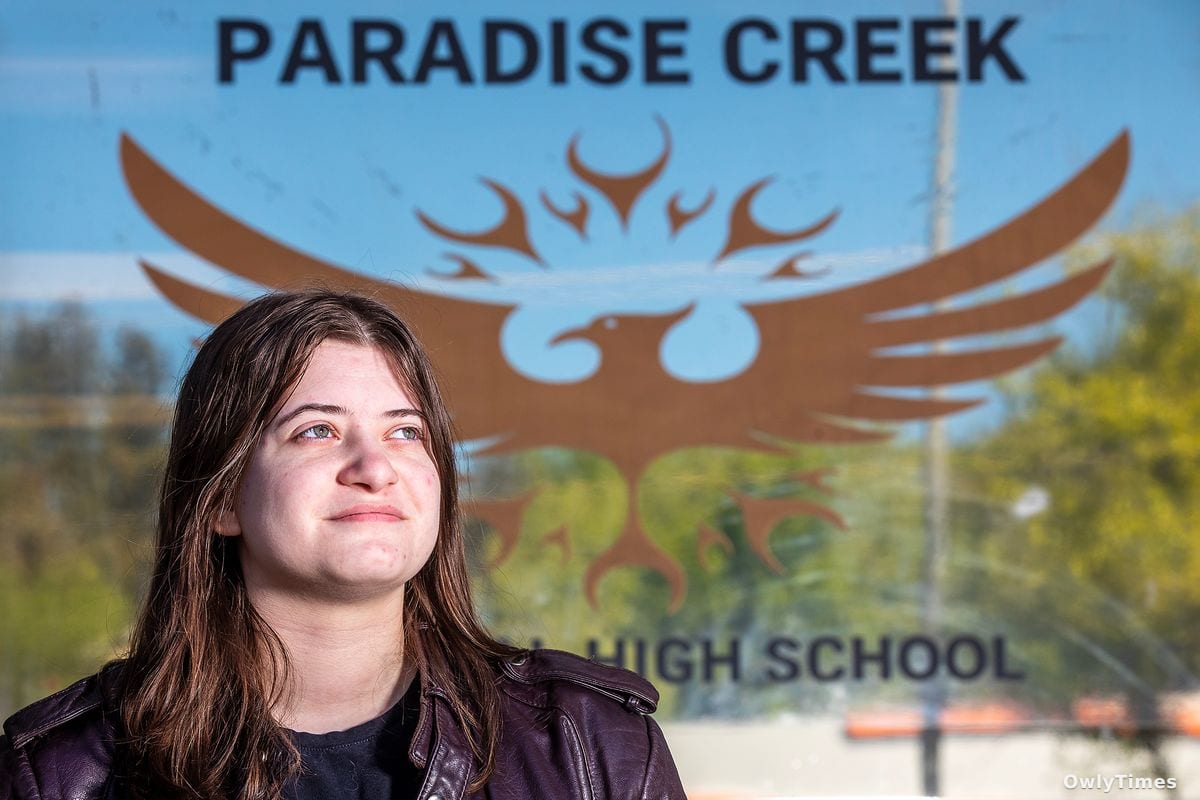

How do we measure the efficacy of alternative education in cultivating genuine scientific inquiry? While the traditional high school model often relies on standardized pacing to manage large student populations, the success of individual learners frequently hinges on environments that allow for deeper, self-directed exploration. For Jo Hodge, a graduating student at Paradise Creek Regional High School, this shift in educational setting was the catalyst for a burgeoning career in forensic pathology.
The Intersection of Curiosity and Anatomy
According to the Lewiston Tribune report, Hodge’s interest was not sparked by abstract theory, but by the tangible, visceral experience of biological dissection. By working through the anatomy of pigs, fish, and rabbits within her science courses, she developed a fascination with the physiological narrative contained within a body. While headlines might focus on the "squeamish" nature of such work, the actual finding here is a shift in perspective: Hodge views forensic pathology not as a morbid pursuit, but as a critical intersection of law enforcement support and familial closure. This transition from basic biological coursework to an interest in complex human anatomy underscores how early, hands-on scientific exposure can define a professional trajectory.
Methodology of the Alternative Classroom
The transition to Paradise Creek was not merely a change of scenery, but a change in the cognitive load of her schooling. Hodge left Moscow High School during her freshman year, finding that the fast-paced, high-density environment hindered her ability to engage with the material. In contrast, the alternative model provided smaller, four-period days that fostered one-on-one interactions with faculty members. This structure appears to be the primary variable in her success, allowing her teacher, Matt Pollard, to move beyond the standard curriculum. Pollard noted that he struggled to challenge her because she consistently sought out advanced problems, often surpassing the standard requirements of a high school science classroom.
Limitations to Consider
It is important to avoid overstating the role of the environment alone in this outcome. While the smaller class sizes at Paradise Creek provided the necessary support system, the internal drive—the "knack" for science and math described by Pollard—is an individual variable that cannot be replicated by policy alone. Furthermore, this case study does not suggest that alternative schools are inherently superior for all students, but rather that they provide a specific pedagogical fit for students who find the "large classes and fast pace" of traditional institutions to be a barrier to their academic potential. The success of this transition is as much a testament to the alignment between student needs and school culture as it is to the quality of the instruction.
Next Steps in Forensic Development
Hodge is not waiting for her formal high school graduation, scheduled for June 6 at the 1912 Center, to advance her scientific training. She is already enrolled in dual-credit courses at the University of Idaho, effectively bridging the gap between secondary education and collegiate-level science. The next metric to monitor will be her performance in university-level forensic coursework, which will determine if her high school-level curiosity translates into the technical proficiency required for a career in forensic pathology. As she moves into these advanced, specialized studies, the trajectory of her academic career will reveal how well the foundations laid at Paradise Creek hold up under the rigorous demands of professional science.





