
The central question currently facing the Fourth District Court in Provo, Utah, is whether the prosecution has established sufficient grounds to bring Tyler Robinson, 23, to trial for the September 10, 2025, assassination of conservative activist Charlie Kirk. While headlines have focused on the dramatic presentation of surveillance footage, the ongoing preliminary hearing is fundamentally a procedural threshold: Judge Tony Graf must decide if the evidence meets the legal standard of "reasonable grounds" for a jury trial, a lower bar than the "beyond a reasonable doubt" requirement of a full trial, according to the BBC and ABC News.
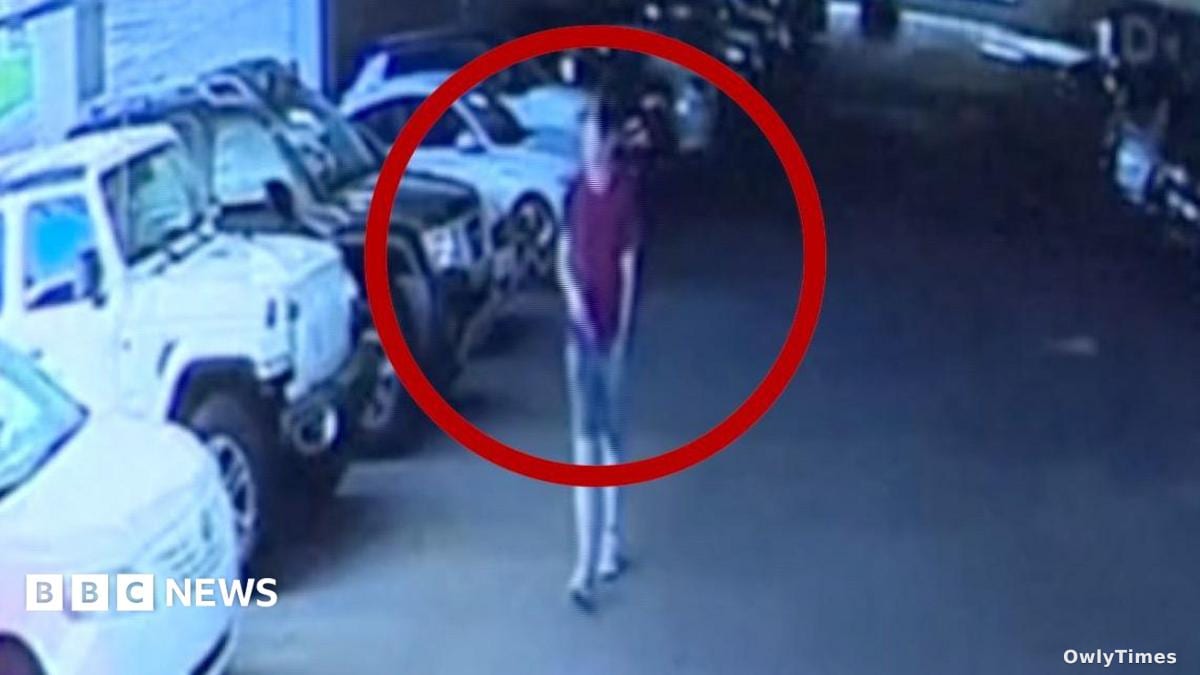
The prosecution’s narrative relies heavily on a timeline reconstructed from campus surveillance video. According to testimony from State Bureau of Investigation (SBI) lead investigator David Hull, as reported by the BBC and The Independent, Robinson was seen on the Utah Valley University campus roughly four hours before the shooting, wearing shorts and a T-shirt and purchasing a meal at Chick-fil-A. Hull testified that Robinson approached members of Kirk’s organization, Turning Point USA, though the nature of that interaction remains unclarified. Prosecutors contend that Robinson later returned to campus in different clothing, scaled a railing to reach a rooftop overlooking the event, and fled after the fatal shot was fired, as noted by ABC News.
A significant point of contention involves the physical evidence, specifically a bolt-action rifle and a towel recovered in a wooded area near the campus. The Independent and CBS News report that DNA analysis of the towel indicated the presence of two individuals: Robinson’s roommate and romantic partner, Lance Twiggs, and, as SBI agent Jennifer Faumuina stated, someone "very likely" to be Robinson. While prosecutors view this as a crucial link, defense attorney Michael Burt argued that the DNA testing is not definitive, noting that the presence of biological material does not necessarily prove an individual handled the weapon, according to The Independent.
The defense strategy, led by attorneys Kathryn Nester and Richard Novak, has focused on challenging the reliability of the prosecution's evidence. As the BBC reports, the defense highlighted that no shell casings were found on the suspected "sniper pad" on the rooftop. Furthermore, ABC News notes that the defense questioned the integrity of the crime scene, pointing to a bullet recovered elsewhere on campus that was ultimately traced to a law enforcement officer who had cleared his weapon. Additionally, CBS News reveals that the roommate, Twiggs, was granted "use immunity" in exchange for recorded statements, a move the defense is expected to challenge as the hearing proceeds.
Limitations to these findings exist, particularly regarding the interpretation of forensic and digital evidence. The defense has repeatedly objected to the introduction of surveillance footage, arguing that the originators of the clips were not present for cross-examination, and they have cautioned against interpreting the presence of DNA as conclusive proof of contact. While prosecutors rely on a note and text messages—allegedly sent by Robinson to Twiggs—as evidence of motive and confession, the defense maintains that these statements do not definitively establish the defendant's state of mind or confirm his actions.
The preliminary hearing is scheduled to conclude this Friday. Judge Graf’s upcoming decision will determine if the case proceeds to a jury trial, where the state will seek the death penalty, citing aggravating factors such as the endangerment of others and the alleged targeting of Kirk due to his political views. Future research and legal scrutiny will likely focus on the admissibility of the redacted video statements from Twiggs and the forensic validation of the DNA evidence, which remains a focal point for both the prosecution and the defense as they prepare for potential trial proceedings.