
The Unexpected Opioid-Like Crisis Emerging From Gas Station Shelves
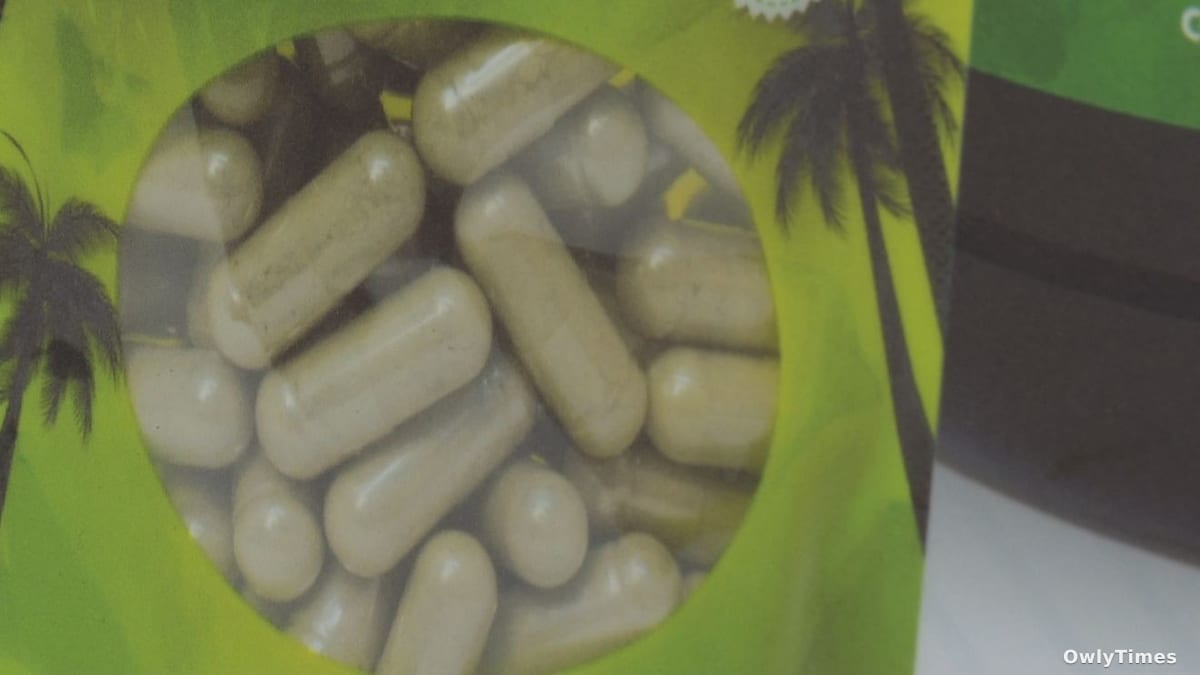
The question of accessibility versus harm reduction is rarely so starkly illustrated as it is with kratom, a substance increasingly available in Michigan gas stations and smoke shops. While often marketed as a natural remedy for anxiety and pain, a growing chorus of health officials and former users are sounding the alarm about its addictive potential and surprisingly severe withdrawal symptoms. This isn’t simply a case of misleading marketing; it’s a public health issue unfolding in plain sight, and one that demands a closer look at how we regulate substances positioned between outright legality and medical oversight. The Berrien County Health Department’s recent warning isn’t about preventing a future problem – it’s about responding to one that’s already here.
See the original wsbt.com story for the full account.
The core of the concern, as articulated by Guy Miller, Berrien County Health Officer, isn’t the experience of using kratom, but the experience of stopping. “The symptoms are what has really been the threatening part of it,” he stated, describing the “severe opioid-like withdrawal symptoms” physicians in the county are increasingly managing. This is a critical distinction often lost in headlines proclaiming “gas station heroin,” a moniker that, while attention-grabbing, risks oversimplifying the issue. Kratom’s primary compounds, mitragynine and 7-hydroxymitragynine (7OH), interact with opioid receptors in the brain, but in a complex way that doesn’t neatly align with traditional opioid pharmacology. This complexity is precisely why the Food and Drug Administration (FDA) has not approved kratom for any medical use, yet it remains readily available, creating a regulatory gray area. The WSBT 22 report highlights that Michigan lawmakers are now considering a bill to penalize the growth and sale of kratom, mirroring bans already in place in states like Indiana.
The ease of access is a central component of the problem. An anonymous former user, speaking with WSBT 22, described obtaining kratom as “way too easy,” but emphasized that quitting was “even harder.” Their account paints a harrowing picture of withdrawal: “It makes you feel like you’re coming out of your skin…the most uncomfortable. You prefer death to what this is.” This isn’t hyperbole; the description aligns with clinical observations of kratom withdrawal, which can include muscle aches, insomnia, irritability, anxiety, and gastrointestinal distress – symptoms comparable in intensity to those experienced when discontinuing opioid medications. The fact that a substance capable of inducing such debilitating withdrawal is sold alongside energy drinks and lottery tickets underscores a significant gap in consumer protection. In 2025, emergency room visits related to kratom exposure increased by 15% nationally, according to data from the Substance Abuse and Mental Health Services Administration (SAMHSA), a figure that, while not catastrophic, signals a clear upward trend.
However, framing kratom solely as a dangerous drug overlooks the reasons people are drawn to it in the first place. Many users report self-treating chronic pain, anxiety, or opioid withdrawal symptoms, often after facing barriers to traditional medical care. This highlights a broader issue: the unmet needs driving individuals to seek alternative remedies, even those with potential risks. The marketing of kratom as a “natural” and “herbal” remedy, while not inherently deceptive, can lull consumers into a false sense of security, obscuring the potential for dependence and withdrawal. It’s not necessarily the plant itself that’s misleading, but the lack of comprehensive information regarding its effects.
Limitations to consider include the variability in kratom products. Because it’s unregulated, the concentration of mitragynine and 7OH can vary significantly between brands and even batches, making it difficult for users to predict the effects. Furthermore, the long-term effects of kratom use are still largely unknown, requiring more extensive longitudinal studies. The current research is hampered by the substance’s legal status, which limits funding opportunities and makes it challenging to recruit participants for clinical trials. The anonymous testimony, while powerful, represents a single experience and cannot be generalized to the entire user population.
The next crucial research step is a comprehensive assessment of the prevalence of kratom use and its associated health consequences in Michigan, specifically focusing on the demographics of users and the patterns of withdrawal management. Equally important is investigating the efficacy of different treatment approaches for kratom dependence. If Michigan lawmakers do move forward with a ban, it will be vital to simultaneously expand access to affordable and evidence-based pain management and mental health services to address the underlying needs that may be driving individuals to seek out kratom in the first place. The question isn’t simply whether to ban kratom, but how to prevent another substance from filling the void – and what proactive steps can be taken to support those already struggling with its effects.