
Is the current AI boom being fueled by genuine innovation or just a high-altitude game of three-card monte? The real story here isn’t the playground-level insults being hurled between Elon Musk and Sam Altman; it’s the massive disconnect between the trillion-dollar valuations of space-based data centers and the brutal, physics-bound reality of orbital logistics.
The latest chapter in this billionaire feud reignited over the weekend following an Apple lawsuit against OpenAI. According to Fortune, Musk used the news to label Altman a "scam" artist, prompting Altman to fire back by mocking Musk’s push to sell public market investors on "short-term space datacenters." While the schoolyard name-calling makes for viral headlines, the underlying technical skepticism is shared by more than just a rival CEO. As TechCrunch reports, industry experts have long questioned the viability of orbital compute, noting that the business case hinges entirely on the rapid, low-cost mass production of satellites and rockets—a milestone likely decades away.
For the average retail investor, the stakes are far higher than a Twitter spat. SpaceX went public on June 12 in the largest initial public offering (IPO) in history, a move that saw Musk briefly reach trillionaire status, according to The Independent. The company’s valuation is heavily propped up by the promise of these orbital AI data centers, yet TechCrunch points out that SpaceX itself conceded during its IPO roadshow that its Starship vehicle may not achieve the full, economical reusability required to make such a project profitable in the near term.
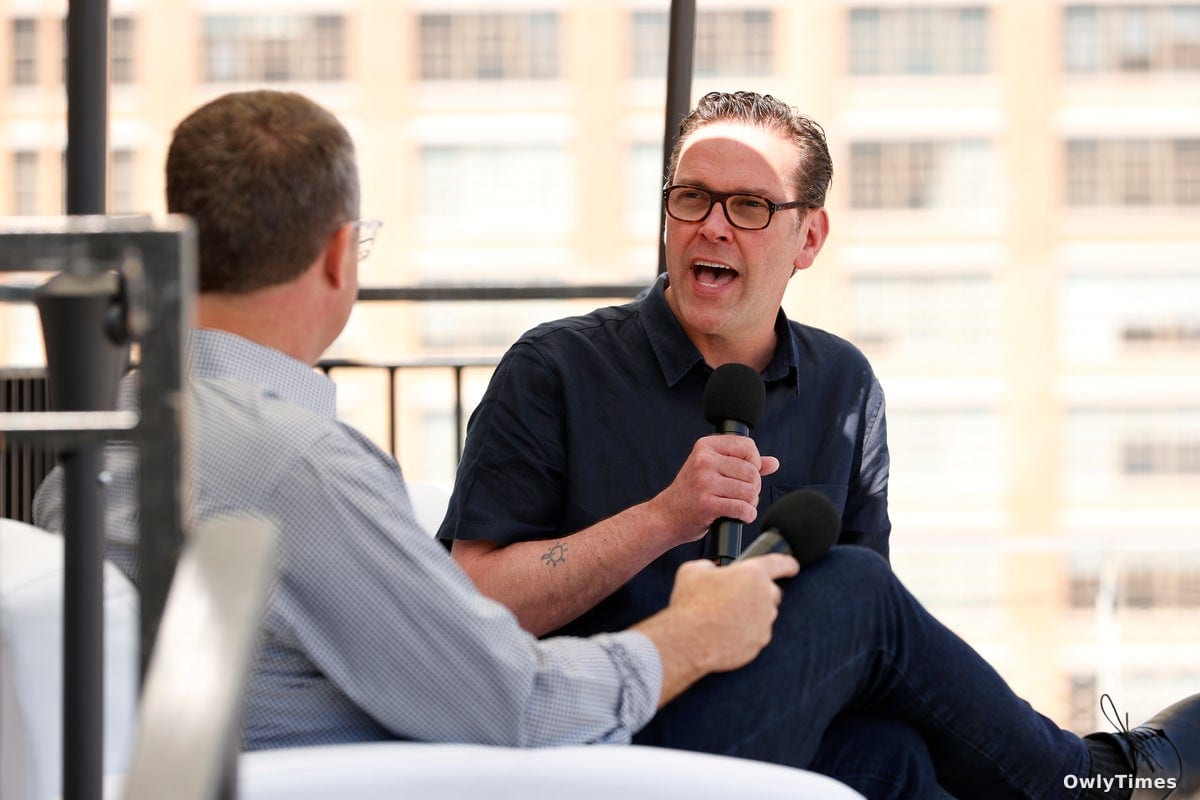
The financial fallout for high-profile investors is equally staggering. James Murdoch, the estranged son of Rupert Murdoch, could be sitting on a windfall worth between $6.573 billion and $7.44 billion thanks to early investments in SpaceX, as calculated by PitchBook analyst Franco Granda for Fortune. While The Independent notes that Murdoch was not listed in the SpaceX S-1 filing, his prior $120 million investment—acquired in three tranches starting in 2019—highlights the massive gap between private-equity optimism and public-market reality.
The rivalry between Musk and Altman, which dates back to their co-founding of OpenAI in 2015, has now bled into the public markets. Following a failed 2024 lawsuit in which Musk sought $150 billion in damages from OpenAI, the companies are now in a direct race for AI dominance. SpaceX has rebranded its AI division as SpaceXAI, releasing Grok 4.5, while OpenAI released its GPT-5.6 Sol model just one day later, per Fortune.
For users watching these companies compete, the signal to monitor is the performance of the Starship rocket. If Musk’s team fails to demonstrate consistent, economical reusability, the "orbital neocloud" vision may quickly evaporate, leaving public investors to hold the bag while the billionaires continue their war of words. The next concrete trigger is the 13th test flight of Starship, scheduled for July 16, which will serve as a critical reality check for the company's ambitious, space-bound infrastructure plans.