
$8.3 Billion in Market Value Erased: The Real Cost of Elon Musk’s Tweets
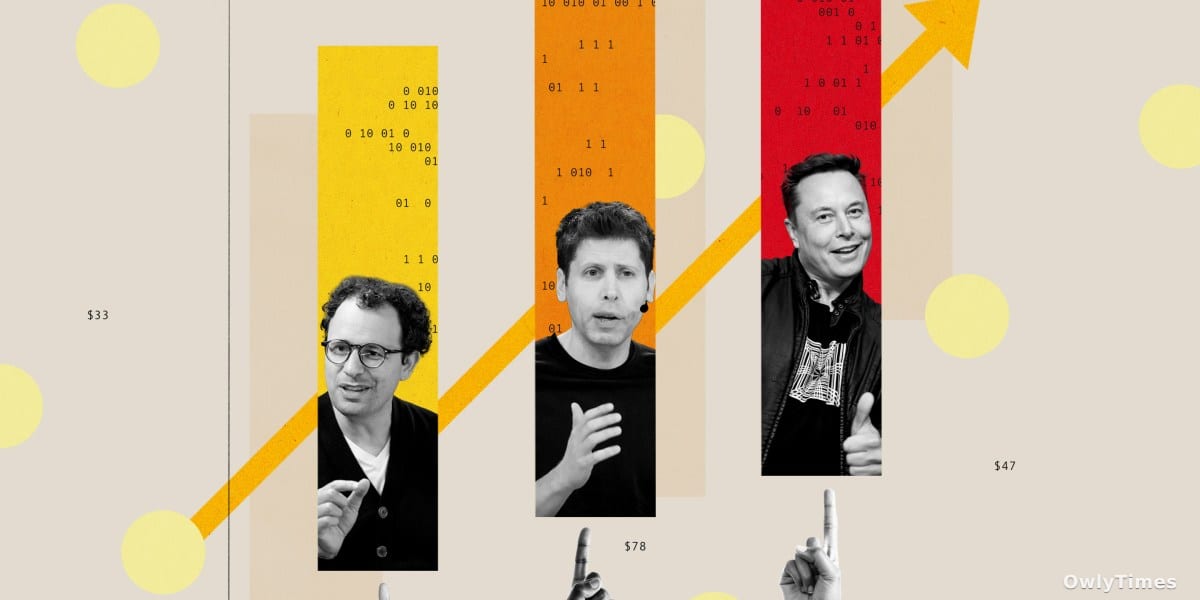
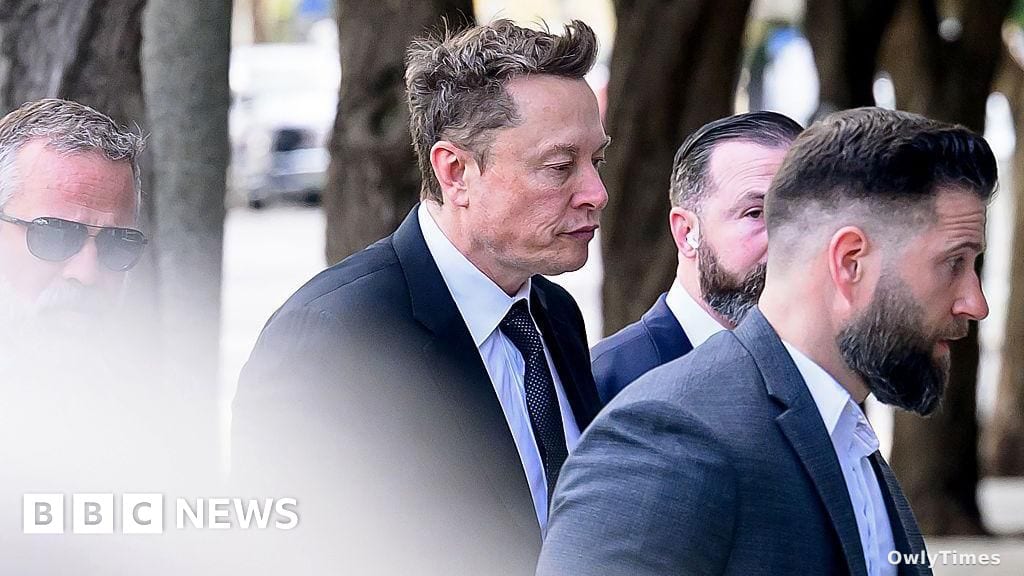
A single tweet from Elon Musk in July 2022 triggered an $8.3 billion decline in Twitter’s market capitalization, a figure revealed during this week’s shareholder trial in San Francisco. While Musk frames his prolific social media activity as simply “speaking his mind,” the legal battle underscores a critical, and increasingly common, financial risk: the direct correlation between executive pronouncements on platforms like X (formerly Twitter) and immediate, quantifiable market reactions. This isn’t merely about “stupid tweets,” as Musk conceded; it’s about a fundamental shift in how information – and misinformation – flows to investors, and the potential for massive financial consequences.
The “Rope-a-Dope” Strategy and Investor Losses
The core of the lawsuit centers on accusations that Musk deliberately manipulated the market to lower the price of his eventual $44 billion acquisition of Twitter. Lead attorney Aaron Arnzen likened Musk’s tactics to a “rope-a-dope” boxing strategy, alleging he rushed Twitter into accepting his initial bid, then strategically undermined confidence in the deal to force a more favorable price. This isn’t a novel accusation; Musk has faced similar claims regarding Tesla stock, successfully defending against allegations of misleading investors. However, the Twitter case differs in scale and directness. Brian Belgrave, a plaintiff representing a class of investors, testified he sold thousands of Twitter shares at a loss after Musk’s public statements suggested he was abandoning the deal, only to see Musk ultimately complete the purchase at $54.20 per share – a premium of roughly 38% over Belgrave’s sale price. The cumulative impact of similar investor actions, driven by Musk’s tweets, is what fuels the unspecified monetary damages being sought.
Reporting from the BBC informs this analysis.
The Pattern of Non-Recall and the Erosion of Transparency
A striking element of the trial has been the repeated invocation of “I don’t recall” by key figures, most notably Jared Birchall, head of Musk’s family office. Birchall’s dozens of such responses, coupled with Musk’s initial reluctance to provide direct answers, raise questions about the level of documentation and internal communication surrounding the Twitter acquisition. While not illegal in itself, this pattern of non-recall creates a vacuum of transparency, making it difficult to definitively establish intent. The fact that Birchall seemingly couldn’t recall Jack Dorsey’s recent departure as Twitter CEO – despite their known friendship – is particularly telling, suggesting a deliberate effort to distance themselves from potentially damaging recollections. This isn’t simply a legal tactic; it’s a signal to investors that internal accountability may be secondary to protecting Musk’s public image.
Beyond Twitter: The Broader Implications for Market Regulation
The Twitter trial isn’t isolated. It’s a bellwether case for the evolving relationship between social media, executive communication, and market regulation. The SEC has already scrutinized Musk’s tweets regarding Tesla, and this case will likely embolden regulators to more aggressively pursue claims of market manipulation via social media. The current regulatory framework, designed for traditional forms of communication like press releases and SEC filings, struggles to keep pace with the speed and virality of platforms like X. The question isn’t whether Musk intended to manipulate the market, but whether his actions – regardless of intent – had the effect of misleading investors and causing financial harm. This distinction is crucial, as regulators may increasingly focus on demonstrable impact rather than proving malicious intent.
What this means for your wallet
The outcome of this trial will have ripple effects beyond Elon Musk and X. If investors win a significant judgment, it could set a precedent for holding executives personally liable for misleading statements made on social media. More immediately, it highlights the inherent volatility of investing in companies led by individuals with a penchant for unfiltered public communication. Investors should be prepared for increased market sensitivity to executive tweets and consider diversifying portfolios to mitigate risk. The key takeaway? Don’t treat a CEO’s social media feed as a reliable source of investment advice – and be prepared for the possibility that a single post could wipe billions off a company’s value. The question now is: will regulators adapt quickly enough to prevent the next social media-fueled market disruption?