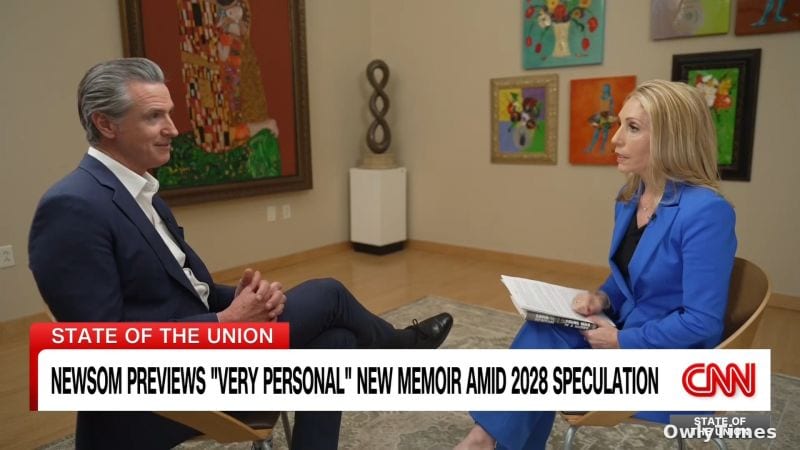

The current flurry of activity surrounding former President Trump’s tariffs isn’t about trade policy; it’s a calculated pressure campaign designed to redefine the boundaries of executive power and test the resilience of institutional checks. The Supreme Court’s recent ruling upholding a challenge to the tariffs – and the subsequent scramble to determine whether refunds will be issued – isn’t a legal anomaly, but a strategic inflection point. The Biden administration’s reluctance to definitively commit to refunding the collected duties, as evidenced by Secretary Bessent’s evasive responses to Dana Bash on CNN, reveals a deeper calculation: avoiding a precedent that limits future presidential authority to impose tariffs.
The core of the issue lies in the origin of the tariffs themselves. Imposed by the Trump administration under Section 301 of the Trade Act of 1974, they were framed as a response to unfair trade practices. However, the legal challenge, brought by a toy company, centered on whether Congress had explicitly authorized the collection of duties after the initial imposition. The Supreme Court ruled against the administration, effectively stating that the tariffs, while initially permissible, became unlawful once Congress didn’t act to ratify them. This isn’t simply a win for the toy company; it’s a potential erosion of the president’s unilateral trade authority. Who benefits and who loses here is clear: businesses that paid the tariffs benefit from potential refunds, but the executive branch loses a degree of control over trade policy.
Source material: CNN.
This situation echoes historical precedents, specifically the debates surrounding the War Powers Resolution of 1973. Passed in the wake of the Vietnam War, the Resolution aimed to limit the president’s ability to commit the U.S. to armed conflict without Congressional consent. Like the current tariff dispute, the Resolution was predicated on the idea of reasserting Congressional authority over a traditionally executive function. Presidents from Nixon to Biden have consistently challenged the Resolution’s constitutionality, often circumventing its requirements. The tariff case presents a similar dynamic: an attempt by the judiciary and, implicitly, Congress, to constrain presidential power. Senator Andy Kim’s call for refunds, and Elizabeth Warren’s forceful assertion that the Supreme Court ruling applies directly to Trump, represent a Congressional push to enforce the ruling, but the administration’s hesitation suggests a resistance to ceding ground.
The political calculus extends beyond legal precedent. The approximately $1.8 billion in tariffs collected represents a significant sum, but the real cost of refunding isn’t monetary. It’s the symbolic cost of acknowledging a limitation on presidential power. This is particularly sensitive for Trump, who continues to frame his presidency as a restoration of strong executive leadership. His potential response – as suggested by reports of considering a limited strike against Iran – demonstrates a pattern of seeking to project strength and circumvent institutional constraints. The fact that the administration is even considering a military action while simultaneously grappling with a Supreme Court ruling on executive overreach isn’t coincidental; it’s a deliberate attempt to shift the narrative and reassert control.
The media’s focus on the comedic reactions to the ruling – highlighted by CNN’s segment featuring comedians – obscures the underlying power struggle. While the public may find humor in the situation, the implications are far-reaching. The revelation of Deepak Chopra’s ties to Jeffrey Epstein, also featured on CNN, serves as a distraction, a common tactic in managing the news cycle. The real story isn’t about celebrity associations; it’s about the ongoing battle for control between the executive branch, Congress, and the judiciary. The question now isn’t if refunds will be issued, but how the Biden administration will navigate this challenge without further eroding its own authority. The next political chess move to watch is whether the administration will attempt to negotiate a legislative solution – perhaps a new trade bill – that would retroactively authorize the tariffs and avoid the need for refunds altogether.