
The Strategic Reset: How the Supreme Court Curtailed Trump’s Economic Leverage
The immediate impact of Friday’s Supreme Court ruling wasn’t about trade law – it was about power. Donald Trump’s foreign policy, from its inception, has operated on a simple premise: demonstrate overwhelming economic force to compel compliance. The Court’s 6-3 decision invalidating many of his tariffs doesn’t just constrain his trade policy; it fundamentally alters the calculus of American foreign policy, stripping away a key instrument of rapid-response coercion. This isn’t a legal setback; it’s a strategic one, forcing a recalibration of how the US projects influence abroad.
The hallmark of the second Trump administration has been the expansive, and often idiosyncratic, use of tariffs. Unlike previous administrations that primarily employed them to address trade imbalances or protect domestic industries, Trump viewed tariffs as a universal solvent for international problems. From pressuring Canada, China, and Mexico to curb fentanyl flow – one of his earliest actions – to threatening Brazil over the prosecution of Jair Bolsonaro, and even dangling tariffs over European nations to force acquiescence on acquiring Greenland, the scope was breathtaking. These actions, justified under the International Emergency Economic Powers Act (IEEPA), were consistently about more than trade; they were about bending other nations to his will. As Edward Fishman of the Council on Foreign Relations succinctly put it, the ruling “effectively neutralizes tariffs as a geoeconomic weapon.”
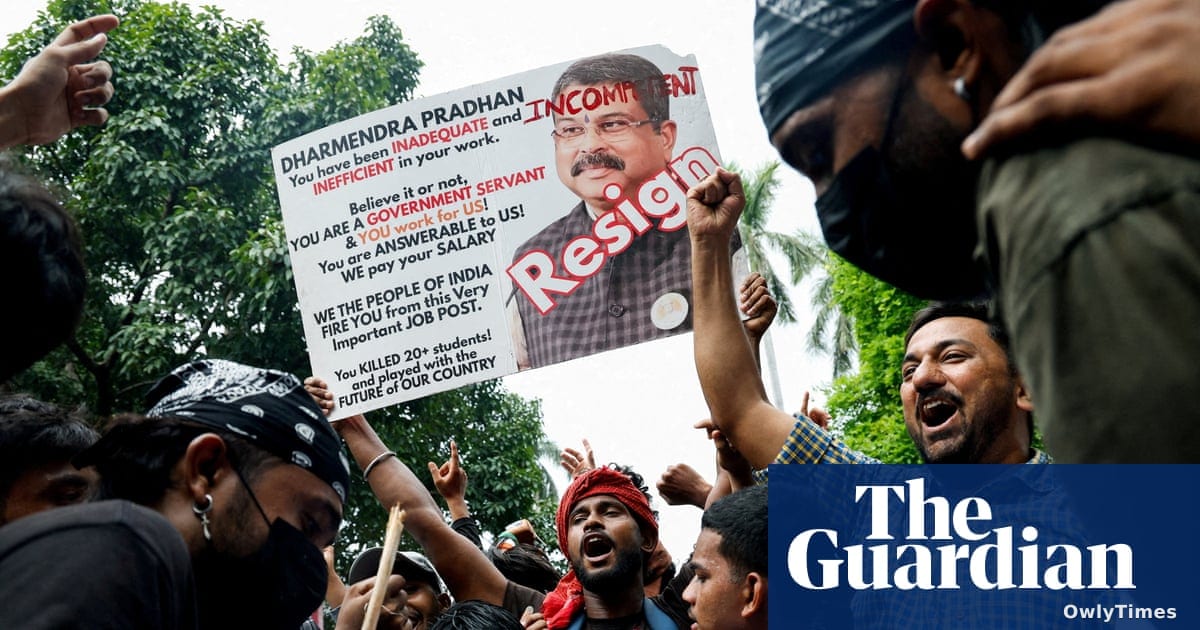
Who benefits and who loses from this shift? Initially, countries previously targeted by Trump’s tariff threats – and there are many – gain a degree of breathing room. Nations like Canada, India, and Brazil, all subjected to specific tariff actions, are no longer immediately vulnerable to arbitrary economic punishment. However, the benefit isn’t universal. The ruling creates uncertainty for American businesses reliant on predictable trade relationships, and potentially weakens the US position in ongoing trade negotiations. More broadly, the US loses a tool for swift, unilateral action, forcing a return to more protracted and consensus-based approaches. This echoes the post-World War II era, where the US, while economically dominant, relied more heavily on multilateral institutions and long-term alliances than on the threat of immediate economic disruption.
Source material: vox.com.
The administration’s response reveals the depth of the problem. While Trump immediately announced a 10 percent “global tax” under Section 122 of the Trade Act of 1974, and a renewed push for negotiations under Section 301, these alternatives are significantly constrained. Section 122 tariffs are capped at 15 percent and require congressional approval after 150 days, a far cry from the sweeping, immediate threats Trump favored. The Trade Act of 1974 is designed to address unfair trade practices, not to punish nations for political disagreements – a distinction that fundamentally limits its applicability to Trump’s preferred style of foreign policy. This reliance on less flexible legal authorities highlights a critical tension: Trump’s desire for rapid, decisive action clashes with the procedural constraints of American law.
Interestingly, the Supreme Court’s decision doesn’t touch the president’s authority to impose sanctions under IEEPA, a less controversial but equally potent tool. Trump himself acknowledged this, ruefully noting that IEEPA allows him to “destroy the country” with an embargo, but not to “charge a dollar.” This suggests a potential pivot. While Trump has expressed a preference for tariffs – believing they benefit the economy while achieving foreign policy goals – he may be forced to rely more heavily on sanctions, a tool favored by previous administrations. This is a significant shift, as Trump has often appeared dismissive of sanctions, viewing them as undermining confidence in the dollar.
The historical precedent here is instructive. The US has historically alternated between periods of economic engagement and economic coercion. The 1980s, under Ronald Reagan, saw a surge in sanctions against the Soviet Union, while the 1990s, under Bill Clinton, emphasized trade liberalization. Trump’s tariff-first approach represented a departure from both these models, prioritizing immediate leverage over long-term economic integration. The Supreme Court’s ruling doesn’t necessarily signal a return to the Clinton-era consensus, but it does force a reassessment of the US’s economic toolkit.
The immediate political fallout is likely to be muted. Countries aren’t expected to dramatically alter their policies overnight. However, the long-term implications are significant. Some nations may feel emboldened to resist US pressure, knowing the threat of rapid-fire tariffs has diminished. The crucial political chess move to watch now is whether Trump will compensate for the loss of tariff leverage by escalating the use of sanctions, and whether he will attempt to redefine the boundaries of IEEPA to achieve similar coercive effects. The question isn’t simply if he will retaliate, but how – and whether he can find a legally sustainable path to maintain the same level of economic pressure he previously exerted.