
The narrative that American science weathered 2025 relatively unscathed following a period of intense political upheaval is, at best, incomplete. While the National Institutes of Health ultimately spent most of its budget and some grant terminations were reversed, a new nationwide STAT survey reveals a deeper, more insidious impact: a pervasive sense of anxiety and disruption rippling through the research community, forcing scientists to drastically scale back ambitions and, in some cases, abandon their work altogether. This isn’t simply a matter of funding restored; it’s about a fundamental erosion of trust and a chilling effect on the very process of scientific discovery, the full consequences of which won’t be visible for years. The survey, encompassing nearly 1,000 NIH-funded researchers, paints a portrait not of resilience, but of a system struggling to regain its footing after a series of seismic shifts.
The core finding is stark: despite court rulings and congressional action mitigating some of the most drastic proposed cuts, the damage is far from undone. Only 35% of researchers whose grants were cut or delayed reported full restoration of funding by the end of 2025. This isn’t a statistical blip; it represents a significant loss of momentum, particularly for early-career scientists. The survey data reveals that more than a quarter of respondents have been forced to lay off lab members, and over 40% have canceled planned research projects. These aren’t abstract numbers; they represent real people, real experiments halted, and potentially groundbreaking discoveries delayed or lost. The situation is particularly acute for those studying health disparities, with 68% reporting a shift in research focus to align with perceived federal priorities – a clear indication of a chilling effect on independent inquiry.
Based on the original STAT report.
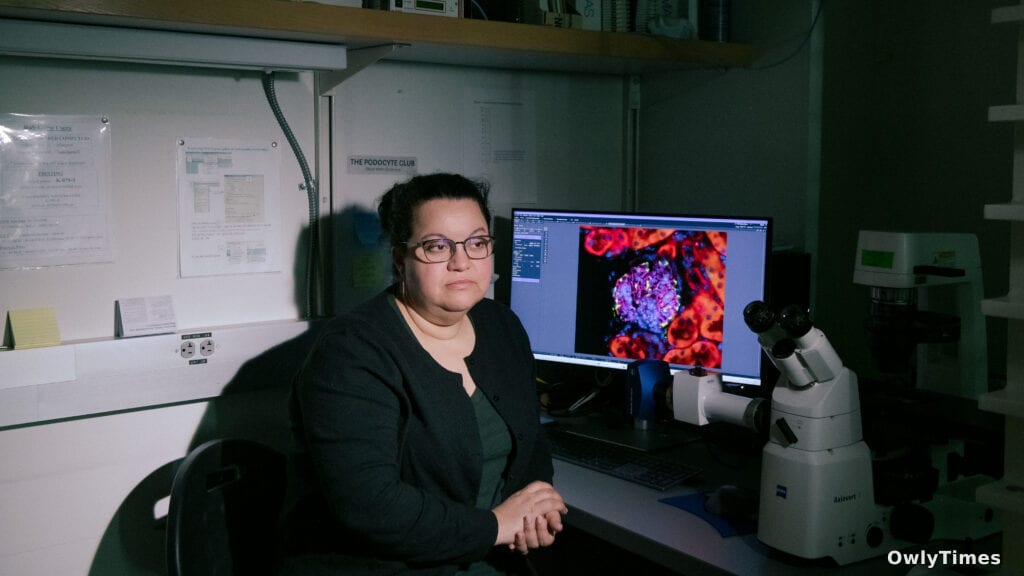
The human cost of these policy changes is vividly illustrated in the individual stories emerging from the research community. Mariya Sweetwyne, an assistant professor at the University of Washington studying kidney aging, faces the imminent closure of her lab after a grant was rescinded following the administration’s focus on eliminating diversity, equity, and inclusion initiatives. She’s reduced her animal colony, taken on extra bench work, and even let go of a lab technician, yet the lab’s future remains precarious. Her story isn’t unique. Josiemer Mattei, a Harvard researcher conducting a diabetes prevention trial in Puerto Rico, saw her funding cut, leading to participant drop-out and a loss of trust with the local clinical research site. These aren’t isolated incidents; they are symptomatic of a broader pattern of instability and uncertainty. The emotional toll is palpable, with several respondents in follow-up interviews expressing feelings of disillusionment and even despair.
The NIH, in response to STAT’s findings, attributes the current challenges to the “ideological agendas” of the previous administration, claiming a need for a “major reset” to prioritize “scientific rigor and meaningful outcomes.” This framing, however, is contentious. Jason Owen-Smith, executive director of the Institute for Research on Innovation and Science, argues that the survey reveals “deep-seated anxiety and chaos” that are actively undermining the agency’s objectives. He likens the situation to a company on the verge of bankruptcy, hardly a conducive environment for “high-risk, high-reward science.” The agency’s lagging grant award rates and dollars disbursed this fiscal year, despite commitments to fully spend the 2026 budget, further underscore the operational challenges and the lingering impact of the policy shifts. The assertion that the Biden administration was to blame feels less like an explanation and more like a deflection of responsibility for the current state of affairs.
Perhaps the most concerning aspect of the survey is the impact on the next generation of scientists. A staggering 81% of junior tenure-track researchers are worried that disruptions to their research will jeopardize their chances of earning tenure. This isn’t merely a career concern; it’s a potential brain drain, with 29% considering positions at other institutions and 7% reporting researchers leaving for opportunities abroad. The survey also reveals that 53% of respondents are advising students to consider careers outside the U.S., a stark indictment of the current climate for scientific research. This exodus of talent represents a long-term threat to American innovation and global competitiveness. The situation is compounded by immigration policies that have made it more difficult for foreign scientists to enter the country, further exacerbating the talent shortage.
The survey methodology itself provides confidence in the findings. STAT partnered with the MassINC Polling Group, surveying 989 researchers from 45 states, Puerto Rico, and Washington, D.C. The sample was weighted based on NIH funding and geographic region, with a margin of error of 3.3 percentage points. While the survey focused on NIH-funded researchers, a similar poll by The Boston Globe found comparable levels of concern among researchers at Massachusetts universities, suggesting the issues are widespread. However, it’s important to acknowledge that the survey captures a snapshot in time and may not fully reflect the experiences of all researchers, particularly those at institutions less reliant on federal funding.
Looking ahead, the immediate priority is restoring stability and predictability to the funding landscape. But simply restoring funding levels isn’t enough. The damage to trust and morale needs to be addressed. The NIH must demonstrate a commitment to scientific independence and transparency, and actively work to rebuild relationships with the research community. More importantly, we need to watch for a critical indicator: the number of high-impact publications and patent applications originating from U.S. labs in the coming years. A sustained decline in these metrics would be a clear signal that the disruptions of the past year have had a lasting and detrimental effect on American innovation. Will the current administration prioritize long-term scientific investment, or will the cycle of political interference continue to undermine the nation’s research enterprise? That is the question that will define the future of American science.