
Is New York’s ambitious climate law about to become a casualty of sticker shock? The fight brewing in Albany between Governor Kathy Hochul and a significant faction of her own party isn’t really about emissions targets – it’s about who gets to define “affordable” in a state already notorious for its high cost of living. More than two-thirds of the Democratic majority in the state Senate are signaling they’ll defend the Climate Leadership and Community Protection Act (CLCPA) against revisions, a move that sets the stage for a messy budget battle and exposes a fundamental tension at the heart of the green transition: how do you sell a future of sustainability when the upfront costs look terrifyingly high?
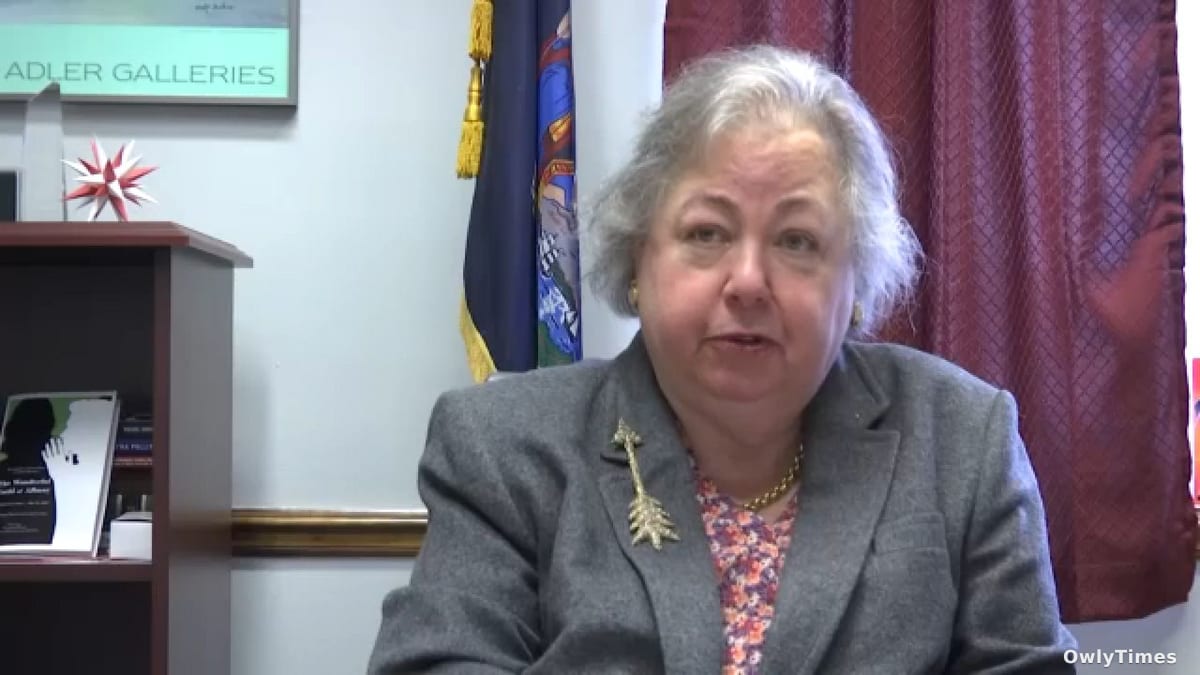
The rebellion began with a letter, signed by 29 Democratic state senators and spearheaded by Liz Krueger, chair of the powerful Finance Committee. The message to Hochul was blunt: hands off the CLCPA. The governor’s team, however, is pushing back, armed with a NYSERDA memo painting a grim picture of utility bills skyrocketing – upwards of $4,000 annually for some upstate homeowners, $2,300 for New York City residents. This isn’t a debate about whether to reduce emissions; it’s about how those reductions will be paid for, and who will bear the brunt of the expense. The memo, conveniently, focuses on a cap-and-invest program, a specific implementation strategy within the broader CLCPA framework, for which the Department of Environmental Conservation hasn’t even finalized the rules.
Krueger isn’t buying it, accusing the governor of being “peddled an enormous amount of misinformation.” She frames the situation as a choice between sound climate policy and a “Trump-like set of policies,” a pointed jab that underscores the ideological stakes. The real story here isn't the potential cost of the CLCPA – it's the deliberate framing of climate action as inherently unaffordable, a narrative that conveniently ignores the long-term economic risks of inaction and the potential for innovative financing mechanisms. The senators’ letter meticulously dismantles the NYSERDA memo, pointing out its reliance on a specific, unreleased cap-and-invest design with “completely unrealistic carbon price” assumptions. They rightly highlight that the CLCPA doesn’t require a cap-and-invest system, offering flexibility in funding mechanisms.
Drawn from Spectrum News.
Twelve Senate Democrats declined to sign the letter, a telling detail. These holdouts, largely representing upstate and suburban districts, aren’t necessarily opposed to the CLCPA, but are hesitant to issue a “categorical” rejection of a proposal the governor hasn’t formally presented. This illustrates a broader political reality: even within the Democratic party, there’s a deep anxiety about appearing out of touch with voters struggling with everyday expenses. Hochul’s senior communications advisor, Ken Lovett, predictably countered that the governor is focused on affordability, blaming “factors related to the pandemic, inflation and Trump administration policy” for the current challenges. It’s a classic deflection, conveniently sidestepping the fact that the current debate is about how New York responds to those challenges, not the challenges themselves.
The Assembly appears to be gearing up for a similar showdown, with Deborah Glick, chair of the Environmental Conservation Committee, signaling confidence that Speaker Carl Heastie will voice concerns during budget negotiations. Krueger, as Finance Committee chair, holds significant leverage. She’s even hinted at a potentially unprecedented move: voting against the budget portion containing changes to the CLCPA, a step she’s historically avoided, even when deeply uncomfortable with its contents. This isn’t just about policy; it’s about a veteran legislator signaling that she’s reached her limit. Republicans, predictably, are seizing on the internal Democratic divisions, urging a full repeal of the CLCPA.
But the most important takeaway isn’t the political maneuvering in Albany. It’s the looming question of how New York will navigate the inevitable costs of decarbonization. The state can’t simply wish away the financial implications of transitioning away from fossil fuels. The real question is whether it will prioritize short-term political expediency over long-term sustainability, and whether it can articulate a vision of a green economy that benefits all New Yorkers, not just those who can afford to absorb higher utility bills. Watch closely for this: by the end of 2026, New York will either have a clearly defined, publicly vetted plan for funding the CLCPA, or the law will be significantly weakened, setting a dangerous precedent for other states grappling with the same challenges. The future of climate action in New York – and potentially beyond – hangs in the balance.