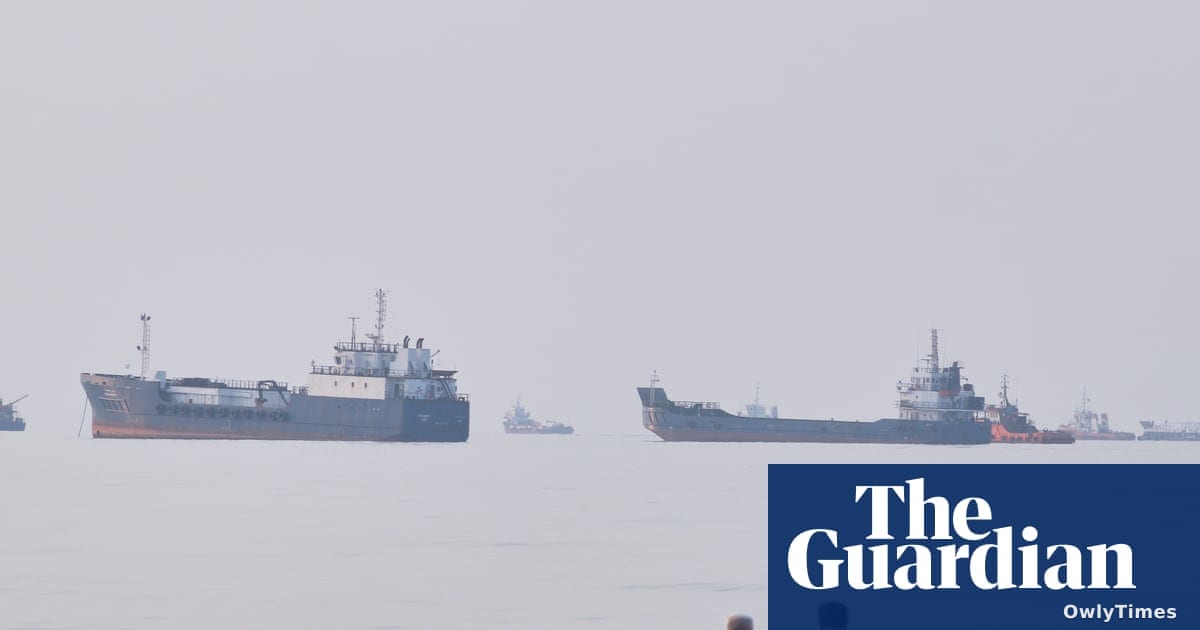

105 vessels struck in eight days—a figure that underscores the rapid, high-intensity shift in maritime warfare as Ukraine’s Unmanned Systems Forces effectively blockade critical Russian trade routes in the Sea of Azov. This surge in drone activity, which saw 15 ships hit overnight between July 13 and July 14, has forced a complete halt to shipping in a corridor responsible for one-quarter of Russia’s grain exports, according to The Independent.
Follow the money: the tactical disruption of these maritime lanes is not merely a military maneuver but a direct strike at the Russian economy. Ars Technica notes that the shutdown of Kerch Strait transit has severed the primary fuel supply line to the occupied Crimean Peninsula, exacerbating existing shortages. As global markets react to the blockage, wheat prices have already begun to climb, reflecting the volatility inherent in disrupting the world’s largest grain exporter.
The Kremlin’s response has been to escalate air attacks on Ukrainian urban centers, exposing the thin margin of Ukraine’s current air defense capabilities. Following the formation of the “Integrated Anti-Ballistic Missile Coalition” in Paris—a pact between Ukraine and nine European nations, including France, Germany, and the UK—Russia launched a new wave of ballistic missile strikes against Kyiv. While Al Jazeera reports that Kyiv’s mayor, Vitali Klitschko, confirmed fires in the Holosiivskyi district, The Independent specifies that no casualties were reported in this latest early-morning barrage.
The newly formed coalition aims to develop "Freyja," an anti-ballistic missile system positioned as a lower-cost alternative to the U.S.-made Patriot. However, the financial and industrial gap remains significant. The Independent highlights that President Volodymyr Zelenskyy is urgently seeking a "winter package" of 300 Patriot interceptors to sustain defense through the coming months. To fund such requirements, outgoing British Prime Minister Keir Starmer recently committed the UK to an EU-led loan scheme, unlocking portions of a €90 billion ($102.59 billion) support fund to provide defense contracts for British firms.
The economic and military tension is unlikely to subside, as President Vladimir Putin has vowed that Russian retaliation to the strikes on refineries and tankers will be "several times more powerful" than the original attacks. While ABC News notes that Russian officials, including Samara Governor Vyacheslav Fedorishchev, reported civilian casualties and damage to the Syzran Oil Refinery following Ukrainian strikes, Moscow’s focus remains on neutralizing the logistical advantage Kyiv has gained through its long-range drone campaign.
For investors and consumers, the takeaway is clear: the integration of drone warfare into maritime logistics has created a new, persistent risk premium on energy and food commodities. With shipping routes restricted and Russian retaliatory strikes intensifying, the volatility in fuel prices—already causing rationing in several Russian regions—is expected to persist. Market participants should monitor the progress of the Freyja project and upcoming winter defense procurement updates, as these will serve as the primary indicators of whether European supply chains can insulate themselves from the escalating regional conflict.