
If you think the internet has made the world a smaller place, try watching a superpower attempt to privatize one of the planet’s most vital shipping lanes in real-time. The real story here isn’t just the return of kinetic warfare in the Middle East—it’s the audacious attempt to turn global maritime law into a subscription service.
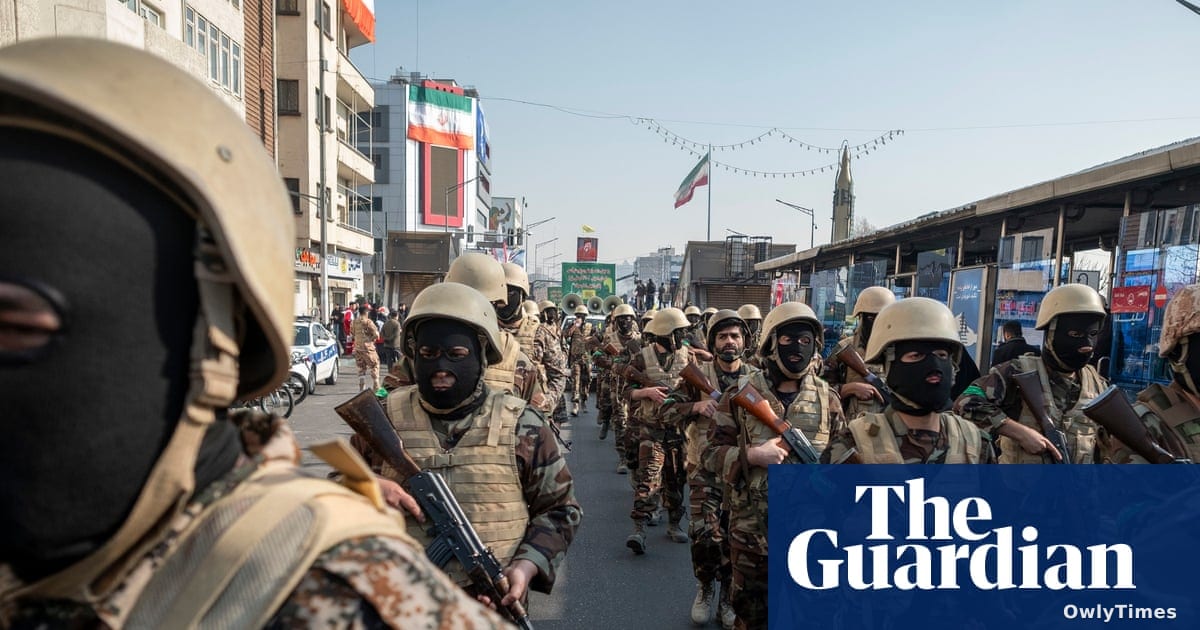
As of Monday, the United States has launched its third consecutive night of strikes against Iran, a campaign U.S. Central Command (CENTCOM) says is designed to degrade Tehran's ability to threaten commercial shipping. According to The Guardian, these strikes follow President Donald Trump’s declaration that Washington will reinstate a maritime blockade on Iranian ports starting Tuesday. While the blockade is framed by the White House as a security measure, it arrives alongside a controversial proposal: a 20% toll on all cargo transiting the Strait of Hormuz, with Trump positioning the U.S. as the self-appointed “Guardian of the Strait.”
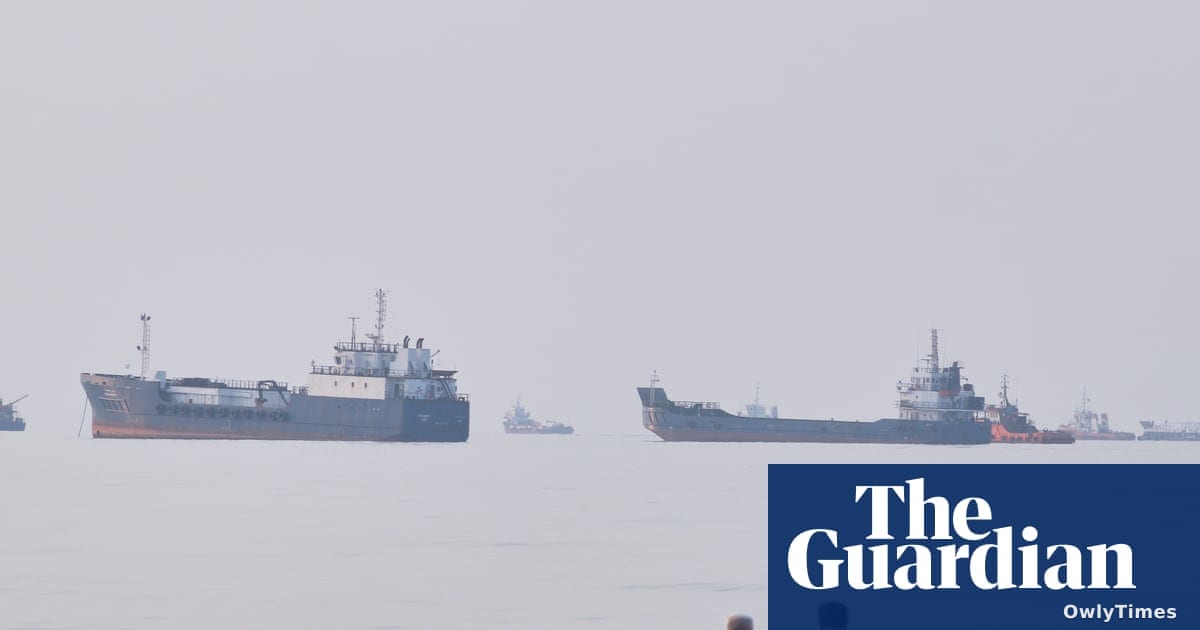
The economic ripple effects are already hitting home. As reported by CBS News, the international Brent Crude benchmark spiked to over $83 per barrel on Monday, reversing a brief period of cooling prices. Al Jazeera adds that ship-tracking firm Kpler observed a 52% drop in strait crossings between July 10 and July 12, as commercial vessels began cutting their tracking signals or rerouting to avoid the escalating crossfire. For the average consumer, this translates to the familiar, painful reality of fuel and food price volatility.
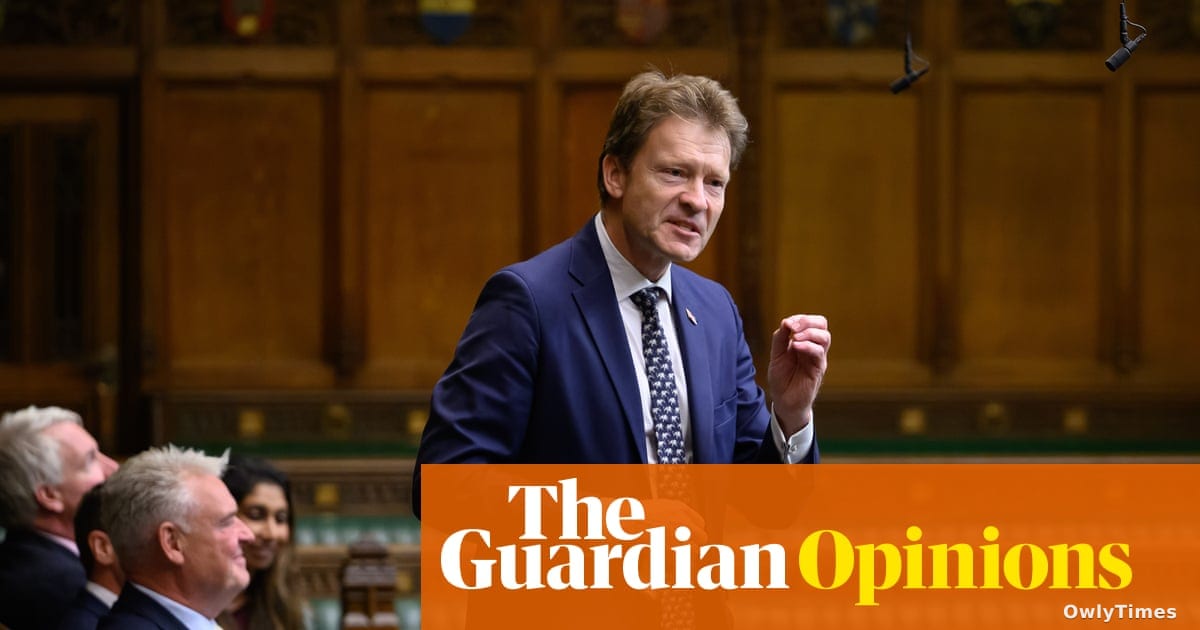
The diplomatic consensus on these tolls is, to put it mildly, nonexistent. The Independent notes that the International Maritime Organization (IMO) has explicitly stated there is "no legal basis" for such fees, a stance previously echoed by U.S. Secretary of State Marco Rubio just last month. Outgoing British Prime Minister Keir Starmer has publicly called for an end to the hostilities and a return to unrestricted freedom of navigation, while Liberal Democrat MP Calum Miller went further, labeling the proposed toll "state-backed highway robbery."
Details regarding the physical toll of the conflict remain grim. According to The Independent, the conflict has claimed the lives of 14 U.S. military personnel with 414 wounded. Meanwhile, CBS News confirms that two tankers, the Mombasa and Al Bahiyah, were struck by Iranian cruise missiles in Omani waters, resulting in one death and eight injuries. The sources diverge slightly on the geography of the retaliation; while Al Jazeera reports Iranian drone attacks on a U.S. Patriot missile system in Kuwait, NPR highlights that missile alert sirens also sounded in Bahrain, home to the U.S. 5th Fleet.
The technical implementation of this "new normal" remains as hazy as the drone-filled skies over Bandar Abbas. While Trump has touted the use of advanced military hardware—including one-way "kamikaze" surface drones noted by The Independent—the practical logistics of collecting a 20% tariff at a maritime chokepoint remain undefined.
We are currently in a high-stakes waiting game. The immediate trigger to watch is Thursday evening, when President Trump is scheduled to deliver a primetime address to the nation, which will likely dictate whether this blockade remains a short-term tactical maneuver or a fundamental restructuring of international shipping norms.