
Is the era of "free-market" global logistics finally hitting a hard, expensive wall? For decades, the Strait of Hormuz has functioned like the world’s most critical digital highway—a neutral, unmonitored artery where data, or in this case, a fifth of the world’s oil, flows unimpeded. But as Donald Trump moves to transform the U.S. Navy into the world’s most heavily armed toll booth, the real story here isn’t just the return of regional combat; it’s the formal end of the global assumption that essential infrastructure can remain neutral in a conflict.
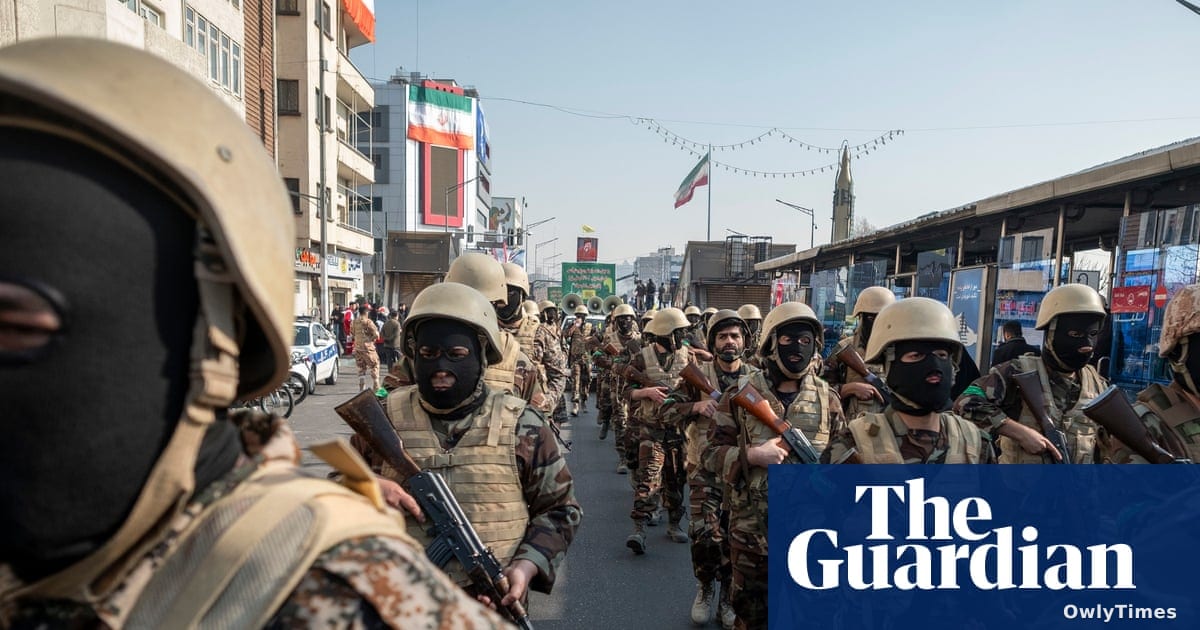
The situation has deteriorated into a chaotic game of maritime chicken. U.S. Central Command (CENTCOM) confirmed it carried out a third consecutive night of strikes against Iranian targets on Monday, according to The Guardian and NPR. These strikes, which targeted missile and drone sites near Bandar Abbas and Bushehr, were ordered by the President to degrade Iran’s ability to harass commercial shipping, as reported by CBS News.
The volatility is bleeding directly into the global economy, acting much like a surge in server traffic that crashes a website. As noted by Al Jazeera, Brent crude futures jumped 2% to $84.91 a barrel by Tuesday, building on a massive 9.6% surge from the previous session—the largest daily gain since May 2020. Economists are already warning of a "clock ticking" scenario; Vivek Dhar, an energy strategist at Commonwealth Bank, cautioned that if this conflict isn't resolved within a week, we could see Brent prices hit $100 within ten days, according to The Guardian.
The human cost is becoming as tangible as the financial one. The United Arab Emirates reported that Iranian cruise missiles struck two oil tankers, the Mombasa and the Al Bahiyah, while they were transiting Omani territorial waters. As detailed by CBS News, the attack killed one crew member and injured eight others. While the U.S. attempts to secure the route, traffic has plummeted; ship-tracking platform MarineTraffic recorded only 57 transits between Friday and Sunday, a 50% drop compared to the previous week, Al Jazeera reported.
The friction is now moving from the battlefield to the boardroom. President Trump has announced a 20% "security fee" on all vessels passing through the waterway, a move that International Maritime Organisation officials have already signaled violates international law, according to The Guardian. Meanwhile, Iran’s foreign minister Abbas Araqchi took to social media to signal that while Tehran might be open to "fair" tolls, it disputes Washington’s authority to act as the sole guardian of the strait, as noted by NPR.
Experts warn that this "test of wills" is unlikely to be solved by air power alone. Jason H. Campbell, a senior fellow at the Middle East Institute, told The Independent that effectively securing the strait against Iran’s asymmetric, dispersed weapon systems would likely require a massive ground force—a prospect that would take months to organize and carry "very high costs."
For the average consumer, this means the "just-in-time" delivery model of the global economy is about to face a stress test. With the U.S. military scheduled to resume a formal blockade of Iranian ports at 4 p.m. ET on Tuesday, expect the volatility in energy markets to remain the primary signal to watch; if those price benchmarks continue to climb, it will not just be a matter of shipping costs, but a direct hit to household budgets before the midterms.