
When does an elected official’s medical privacy yield to the public’s need for institutional transparency? This fundamental tension in governance has dominated the discourse surrounding Mitch McConnell, the 84-year-old Senate Republican leader, who recently issued his first formal update after a month-long, largely silent hospitalization.
The question of whether McConnell remained capable of fulfilling his duties had reached a fever pitch before his Sunday statement. According to the BBC, McConnell confirmed he has been moved from hospital care to a rehabilitation facility following a fall on June 14 that left him "briefly unconscious." While headlines have focused on his "return," the senator clarified that he has not yet been cleared by physicians to return to the Senate floor to vote. He explicitly stated that his recovery from the fall, compounded by a "mild case of pneumonia," requires further time, as reported by NBC News.
Distinguishing Medical Reality from Public Speculation
The gap between the senator’s official account and the public narrative is significant. While conspiracy theories—including unsubstantiated claims that the senator was "brain dead"—circulated on social media, those closest to him offered a different version of events. The Independent notes that conservative commentator Scott Jennings served as a primary conduit for information, claiming to have held personal conversations with the senator while others questioned his status. The Guardian adds that Senate Republican whip John Barrasso and majority leader John Thune also reported engaging in "lengthy and substantive" phone conversations with McConnell during his absence.
The lack of clarity regarding the initial June 14 hospitalization created an information vacuum. NBC News reported that police scanner audio from that date indicated paramedics were dispatched for a person experiencing "cardiac arrest" at an address associated with the senator. However, McConnell’s own statement, bolstered by an assessment from the attending physician, attributes the hospitalization to a fall linked to his long-standing "post-polio condition," explicitly ruling out a stroke, heart attack, or concussion.
Limitations to Consider
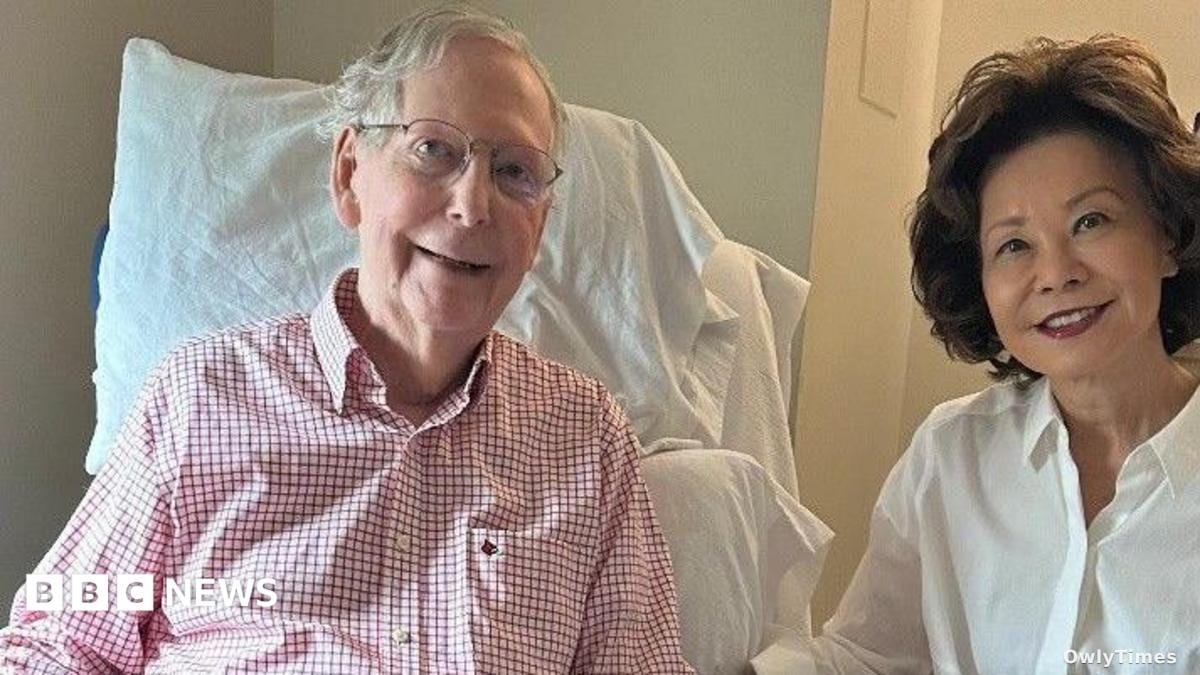
While the photographic evidence released by his office—showing McConnell with his wife, former Transportation Secretary Elaine Chao, and a copy of the Washington Post—aimed to quell rumors, the medical situation remains complex. The senator himself acknowledged the difficulty of aging, stating, "Folks of my generation often hesitate to share the vulnerability that comes with growing older." Readers should note that while the senator has been transparent about the absence of trauma like brain hemorrhages, he has not provided a specific timeline for his return to the chamber. Furthermore, the political stakes are high; The Guardian notes that Kentucky Governor Andy Beshear had formally requested more transparency, citing concerns over the senator's ability to hold office and the potential complications of a special election.
Next Steps in the Senate
Moving forward, the focus shifts to the physical therapy regimen McConnell is undergoing in rehabilitation. His office indicated that the current clinical priority is implementing "strategies to reduce his risk of future falls." Because McConnell has already announced he will retire at the end of his term this coming January, the immediate political focus is on his ability to complete his remaining "unfinished business." Whether he can resume his legislative duties in the coming weeks remains the primary metric for his staff and his Senate colleagues, as the legislative session continues without his physical presence on the floor.