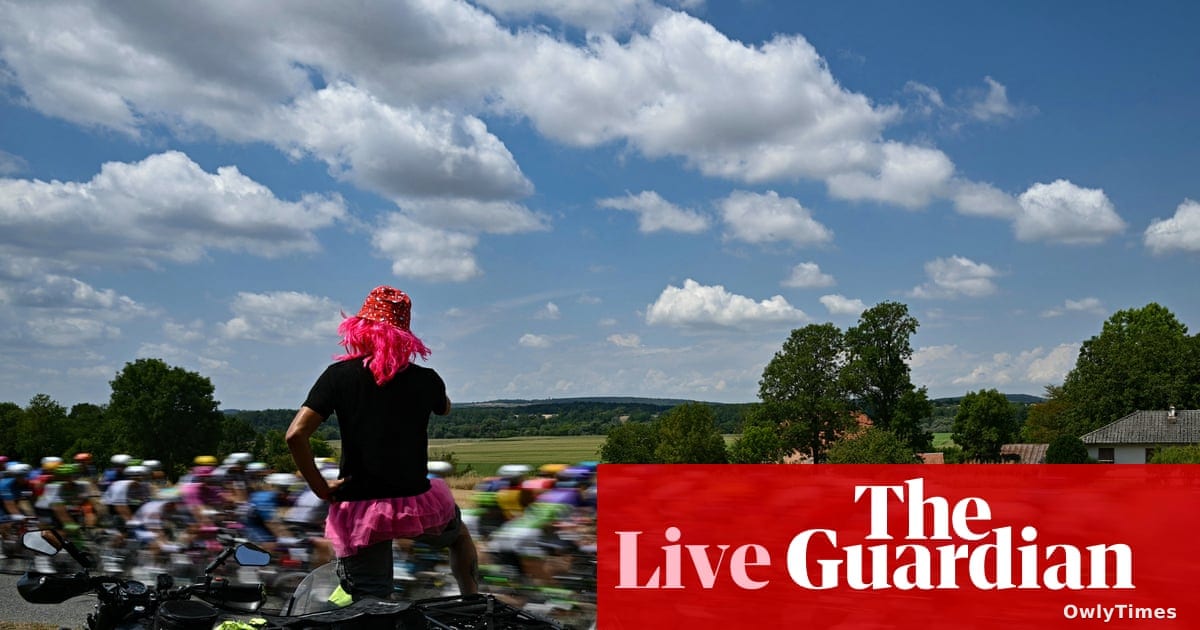

The peloton is currently navigating the narrow, winding roads out of Dole, but the shadow of the Tour de France’s recent chaos looms large over the pack. As the riders roll toward the grueling 205.8km trek of stage 13, the atmosphere is a stark contrast to the frantic, rain-slicked violence that defined yesterday’s arrival in Chalon-sur-Saone.
The Cost of the Sprint
While today’s focus shifts to the legendary slopes of the Ballon d’Alsace, the cycling world is still processing the fallout of stage 12. Tim Merlier emerged from that day’s unpredictability with his third stage win of the 2026 race, but as the BBC reports, the victory was marred by a late-stage crash. Fernando Gaviria hit the deck, triggering a pile-up that claimed several riders, including stage 11 winner Soren Waerenskjold.
The frantic nature of that finish underscores the razor-thin margins at this year’s Tour. For Merlier, the win was a personal triumph, but it did little to shift the fundamental power dynamics of the General Classification. Tadej Pogacar continues to dominate the field, holding a steady lead of 3 minutes and 36 seconds over Jonas Vingegaard, according to data confirmed by both The Guardian and the BBC.
A Test of Endurance and Tactics
Today’s stage 13 is arguably the most significant tactical test of the week. As the Guardian notes, the Ballon d’Alsace—the first mountain pass ever to feature in the Tour back in 1905—serves as the centerpiece of this 205.8km route. With five riders, including Michal Kwiatkowski and Louis Vervaeke, already establishing an early 15-second gap, the breakaway is clearly hunting for a victory that the peloton’s GC favorites might be willing to concede.
This stage demands a rare combination of climbing prowess and descending bravery. The category one ascent, covering 8.9km at an average gradient of 6.9%, will likely expose any weakness in the legs of the leaders. While the green jersey remains a battle between Mads Pedersen and Biniam Girmay, the real drama today lies in whether a specialist, such as Tom Pidcock or Richard Carapaz, can exploit the downhill finish to steal the stage honors.
The Human Element in Sports and Culture
Beyond the bike race, the summer of 2026 is proving to be a season of intense, unfiltered engagement. Whether it is the raw, high-stakes athleticism of the Tour or the deliberate, tech-free intimacy of Jack White’s current North American tour, there is a palpable trend toward reclaiming the "in-person" experience.
Much like the riders on the road who must navigate the elements without the buffer of digital assistance, fans at White’s shows are being asked to disconnect. According to Rolling Stone, the rocker is mandating the use of Yondr pouches to keep phones off the floor, a policy he has championed for years. This push for presence—whether on a mountain pass in the Vosges or in a darkened theater—suggests a growing cultural fatigue with the mediated experience. As the Tour heads toward its final stages, the race serves as a reminder that the most compelling moments are those that cannot be scripted, only endured.