
Is your morning commute actually a high-stakes, real-time tracking experiment? We like to think of our urban centers as chaotic hubs of human activity, but the reality is that the gap between a "smart city" and a "panopticon" is closing faster than a closing elevator door. The real story here isn’t just the tragic loss of life on the San Francisco Bay this week—it’s how the same tech-saturated infrastructure meant to monitor and optimize our lives is failing us in ways that are becoming impossible to ignore.
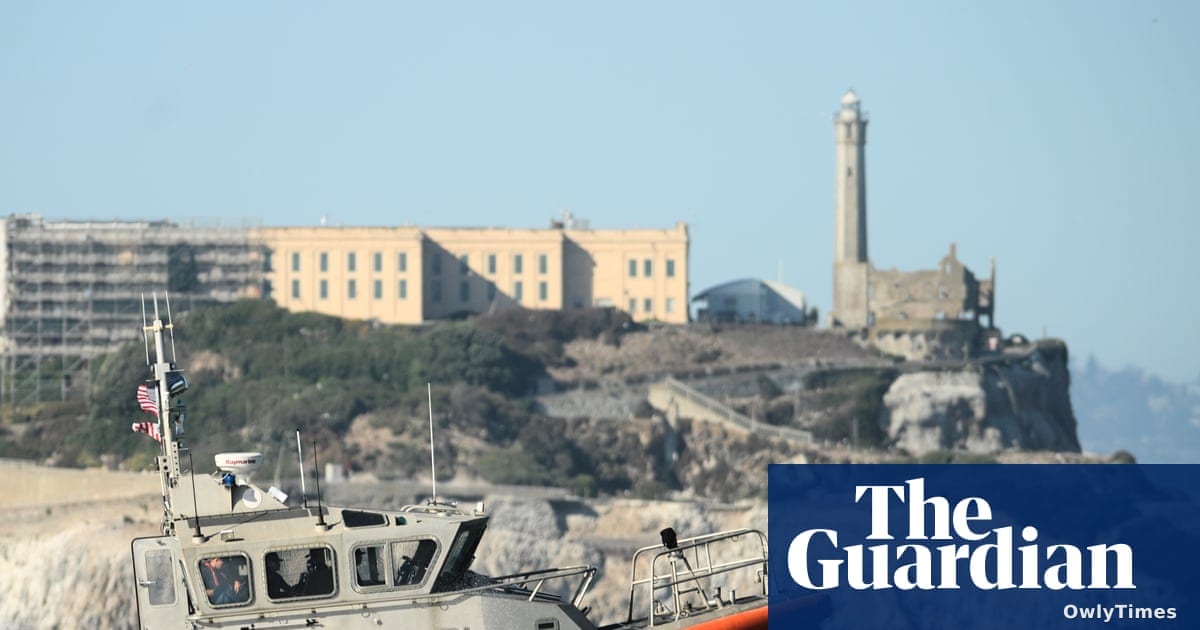
On Tuesday, a recreational pontoon boat carrying 19 people capsized near Alcatraz Island, leading to one confirmed death and two individuals reported missing, according to The Guardian. The incident, which prompted a massive search-and-rescue operation involving 11 vessels and multiple helicopters, highlights the fragility of life in the Bay even as the city aggressively leans into a tech-first approach to public safety and economy.
While initial reports circulated—and were even cited by the U.S. Coast Guard—suggesting a fire or explosion had occurred on board, San Francisco Fire Chief Dean Crispen later clarified in a press conference that there was no evidence of a blaze. The Independent notes that while authorities initially told the San Francisco Chronicle of a potential explosion, the actual cause of the capsize remains under investigation. What is undisputed is the human toll: 16 people were rescued, with three treated at California Pacific Medical Center, while a dog also perished in the incident.
This event serves as a grim juxtaposition to the hyper-digitized reality of modern San Francisco. While first responders were scrambling to locate victims in the water, the city’s broader infrastructure—specifically its burgeoning fleet of police surveillance drones—has recently come under fire for systemic security failures. WIRED recently revealed that sensitive, real-time footage from Skydio drones used by the San Francisco Police Department was left exposed on an open, public web address. The leak allowed security researchers to view live thermal and color feeds of police arrests and tactical maneuvers, illustrating that our high-tech safety nets are often as porous as they are pervasive.
The drive for efficiency in San Francisco is fueling a market that feels increasingly detached from the average resident's experience. As the BBC reports, AI-driven wealth is pushing median home prices to record highs of $1.76 million, forcing a total decoupling of local housing costs from national trends. We are essentially living in two cities: one where AI employees are trading shares for luxury apartments, and another where the basic promise of public safety is undermined by leaking drone data and tragedy on the water.
The tech industry’s obsession with scale—whether it's growing a police drone fleet from six units to 98 in just two years or inflating the real estate market—rarely accounts for the "edge cases" where humans actually get hurt. When we prioritize the deployment of sensors and algorithms over the maintenance of basic, reliable public infrastructure, the result is a city that is increasingly sophisticated but dangerously prone to error.
The next major signal to watch will be the upcoming stock market flotations for major AI firms like OpenAI and Anthropic, which experts suggest will further exacerbate the city's real estate volatility. Until then, the disconnect between Silicon Valley’s projected utopia and the reality of a sinking boat off Alcatraz will only continue to widen.