
If you think the "death" of a service or a business is a clean, binary event, you haven't been paying attention to how policy ripples through the real world. Is the resumption of Medicaid billing for Planned Parenthood a victory, or is it just the start of a long, permanent hangover for healthcare access?
The real story here isn’t the administrative green light that flickered on this past Sunday—it’s the fact that in the world of healthcare, you can’t just flip a switch to turn clinics back on. Planned Parenthood and two other regional providers were effectively locked out of Medicaid reimbursement for nearly a year, a consequence of the tax and policy law signed by President Donald Trump in July 2025. While the federal government has now allowed billing to resume, the infrastructure that once served thousands of patients has been hollowed out.
According to The Independent, the Guardian, and Fortune, the impact of this year-long "yo-yo effect" is measurable. Planned Parenthood reports that it has shuttered nearly 30 of its approximately 600 clinics during this period. The operational fallout includes a 25% drop in birth control pill distribution and a 20% decline in breast cancer screenings. Think of it like a power grid: when you cut the supply for a year, the equipment doesn't just sit idle; it decays, staff leaves, and the local nodes of the network go dark.
The Geography of Healthcare Deserts
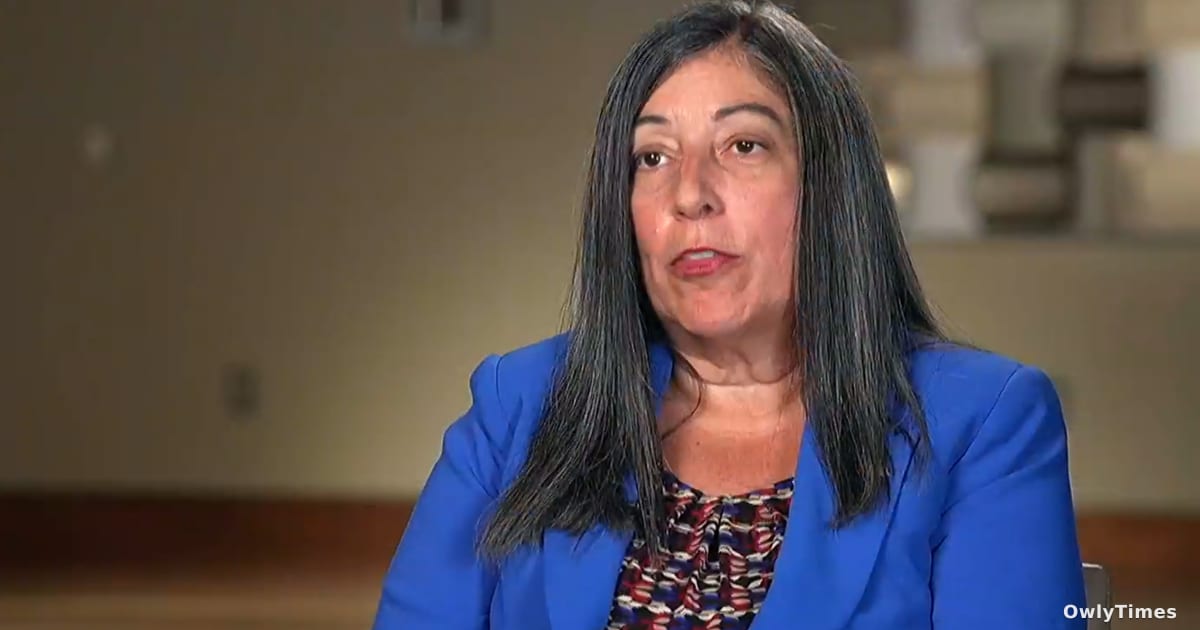
The pain wasn't distributed equally. Fortune and the Guardian highlight that the fallout for smaller providers was particularly brutal. Maine Family Planning was forced to close three primary care clinics, leaving 1,000 patients in the lurch. Evelyn Kieltyka, senior vice president of program services, noted that even with the sudden "re-funding," these clinics aren't coming back. Former patients are currently facing an agonizing four-to-six-month wait to establish care with new providers.
Contrast that with Massachusetts, where The Independent notes that Health Imperatives didn't drop a single service. They survived because the state government stepped in to fill the federal funding gap—a stop-gap measure utilized in 14 states—and received an additional boost from a grant by the Melinda Gates foundation. It’s a stark reminder that in the current landscape, your access to basic health screenings depends less on federal law and more on your zip code and the political will of your state house.
The "Yo-Yo" Effect and Future Uncertainty
For providers, the primary obstacle to recovery isn't just the memory of lost funding; it’s the fear that the rug will be pulled out again. Michelle Quesada, vice president of communications for the Florida affiliate of Planned Parenthood, explicitly cited this uncertainty when explaining why a shuttered clinic in Lakeland won't reopen. It’s a classic tech-industry dilemma: why invest in scaling your infrastructure when the regulatory environment is as volatile as a pre-revenue startup?
Meanwhile, the political lobby isn't resting. Kelsey Pritchard, a spokesperson for Susan B. Anthony Pro-Life America, confirmed that the organization is actively pushing Congress to pursue further defunding measures. While Fortune clarifies that this push is aimed at the broader Republican base rather than just primary voters, the intent remains clear.
As for what happens next, don't look for a return to the status quo. The signal to watch is whether the Republican-led push for a new defunding bill gains traction in Congress. Until that legislative threat is removed, we are likely looking at a "permanent" state of instability, where providers—and the patients who rely on them—operate in a constant, defensive crouch.