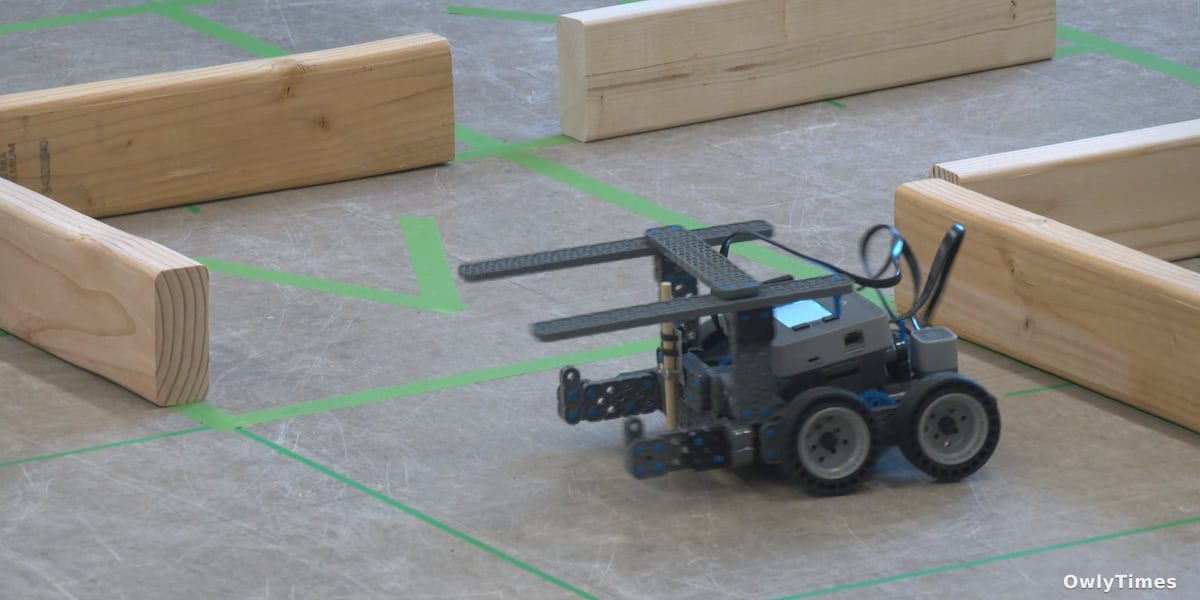

The air in UVA’s gymnasium crackled with a different kind of energy than a typical basketball game. It wasn’t the roar of the crowd, but the focused hum of whirring motors, the frantic scribbling of calculations, and the quiet intensity of students wrestling with complex engineering problems. This wasn’t about touchdowns or three-pointers; it was the Virginia Science Olympiad State Tournament, and for these students, the stakes felt just as high. While headlines are dominated by athletic prowess, this weekend offered a glimpse into a different kind of competitive spirit – one fueled by curiosity, collaboration, and a deep dive into the world of STEM.
Beyond the Classroom: Where Passion Projects Take Center Stage
The narrative around American education often centers on standardized tests and shrinking budgets, a relentless pressure to “catch up” with global competitors. But events like the Science Olympiad reveal a vibrant undercurrent of student-led innovation, a space where learning isn’t about memorization, but about doing. Alex Siragy, Science Olympiad coach and science teacher at Tandem Friends School, put it succinctly: “This is really an opportunity for them to dig into something that they wouldn’t necessarily get a chance to do inside the classroom.” This isn’t simply extracurricular enrichment; it’s a crucial outlet for students to pursue specialized interests, to become, as Siragy notes, “an expert in a particular field.” Consider the implications: in a world demanding increasingly specialized skills, these competitions aren’t just fun – they’re a proving ground for future innovators.
Reporting from 29news.com informs this analysis.
The tournament’s structure itself is a departure from traditional academic assessment. Students aren’t graded on a single, comprehensive exam, but on their performance in a diverse range of events, from knowledge tests to intricate robotics challenges. Tandem Friends School students, consistently strong in the robotics contests, exemplify this focused expertise. This isn’t about being well-rounded; it’s about finding your thing, and pushing the boundaries of what you can achieve within it. The specialized nature of the events – a student might dedicate months to mastering the intricacies of “Detector Building” or “Dynamic Planet” – fosters a level of dedication and deep understanding rarely seen in a standard curriculum.
A Different Kind of Arena: Competition as Collaboration
What’s particularly striking about the Science Olympiad is the emphasis on teamwork. Unlike individual sports, success hinges on collaboration, on leveraging the unique strengths of each team member. This isn’t a zero-sum game where one student’s victory means another’s defeat. It’s a collective effort, a shared pursuit of knowledge and problem-solving. Siragy himself experienced this firsthand as a high school competitor, and he highlights the bonding aspect: “It’s a really awesome experience that allows students to bond over subject matter that is really challenging, but also really, really fascinating to them.” This sense of community, of shared intellectual passion, is a powerful antidote to the isolation and anxiety that often plague modern adolescence.
The tournament also offers a crucial alternative to the often-hyper-competitive world of traditional athletics. While sports undoubtedly offer valuable lessons in discipline and teamwork, they aren’t accessible or appealing to all students. The Science Olympiad provides a different kind of arena, one where intellectual curiosity and technical skill are celebrated, and where students can find a sense of belonging and accomplishment regardless of their athletic abilities. Participation in Virginia Science Olympiad currently remains relatively low, and Siragy actively encourages more schools to get involved. In 2023, the Virginia Science Olympiad hosted 48 teams, a number that pales in comparison to the over 600 high school football programs in the state.
The Future of STEM: Investing in Passion, Not Just Programs
The success of events like the Virginia Science Olympiad isn’t just a feel-good story about bright students. It’s a signal about where we need to focus our investments in education. While funding for STEM programs is often touted as a priority, simply throwing money at curriculum changes isn’t enough. We need to cultivate environments that nurture student passion, that empower them to explore their interests, and that provide opportunities for them to apply their knowledge in real-world contexts. The fact that these students are dedicating their weekends – and countless hours outside of school – to these challenges speaks volumes about their intrinsic motivation.
The question now is whether we, as a society, are doing enough to support and amplify that motivation. Will we continue to prioritize standardized testing over student-led exploration? Will we invest in the resources and infrastructure needed to expand access to programs like the Science Olympiad? Or will we allow these pockets of innovation to remain isolated, untapped potential? The future of STEM – and, arguably, the future of American innovation – may well depend on the answer.





