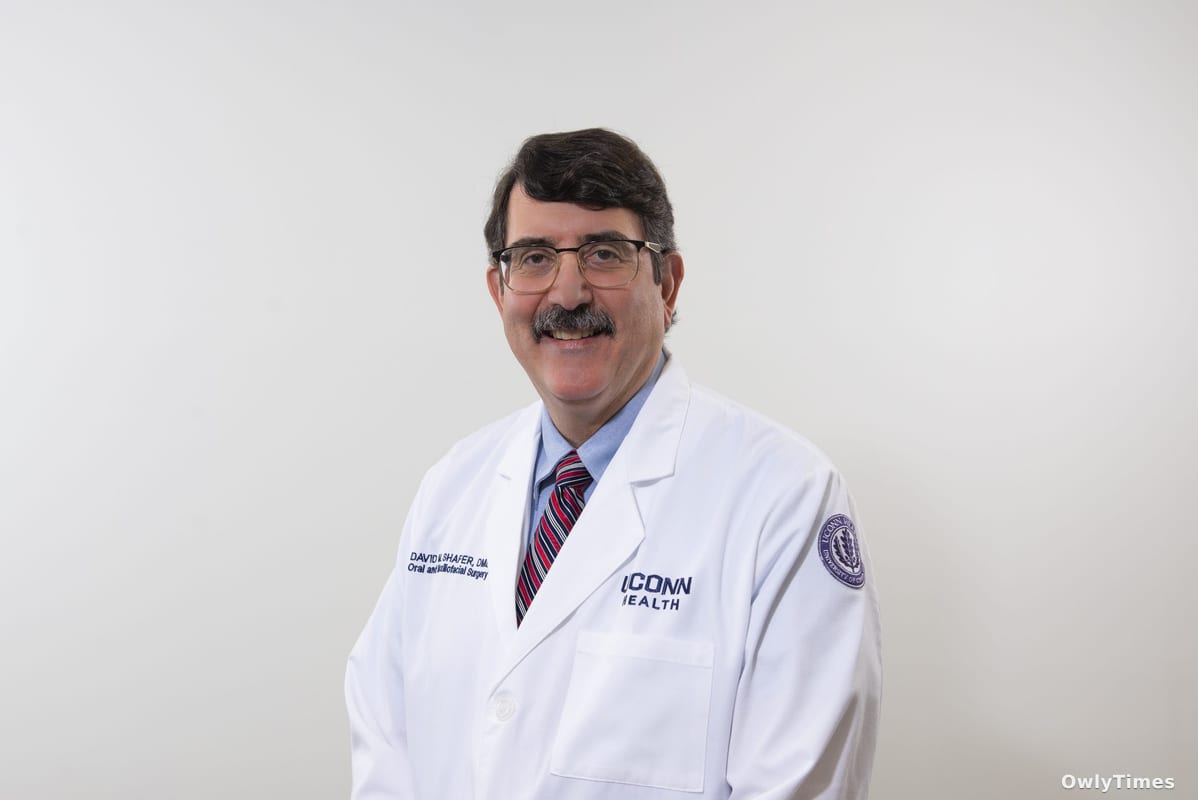

Beyond the Award: A Legacy of Training and Institutional Leadership at UConn Health
The upcoming 2026 UConn Health Board of Directors Faculty Recognition Award for David Shafer, DMD, isn’t simply a celebration of a long career; it’s a recognition of a quietly transformative force in dental education and hospital administration. While many university accolades focus on groundbreaking research or clinical innovation, the honor bestowed upon Shafer, associate professor and chair of the Department of Oral and Maxillofacial Surgery at the UConn School of Dental Medicine, highlights a different, equally vital contribution: the sustained, systemic improvement of training programs and the strengthening of institutional ties. In an era where medical specialization often prioritizes individual achievement, Shafer’s career exemplifies the power of dedicated leadership in building robust, collaborative systems.
This article draws on reporting from today.uconn.edu.
The announcement, made July 20, 2020, isn’t surprising to those familiar with Shafer’s tenure at UConn Health, which began in 1990. Dean of the School of Dental Medicine, Steven Lepowsky, emphasized the program’s national standing under Shafer’s leadership, stating he is “incredibly deserving” of the award. But the significance extends beyond a single “premier training program.” The consistent thread throughout Shafer’s 35 years at the institution is his commitment to curriculum development – not just what is taught, but how it’s taught. He directed core curriculum for the oral surgery residency, but also expanded his influence into areas like pain and anxiety control, sedation techniques, and even medical emergency management, areas often siloed within dental education. This holistic approach, recognized with the Kaiser Permanente Teaching Award, reflects a growing understanding that effective oral surgery demands a broader understanding of patient care.
Shafer’s impact isn’t limited to the classroom or the operating room. His administrative service, spanning decades and encompassing roles from chairing the Dental Senate to serving as Vice President of the John Dempsey Hospital Medical Board for over ten years, demonstrates a rare ability to navigate the complex landscape of academic medicine. This isn’t merely about climbing the administrative ladder; it’s about actively shaping the environment in which dental education and patient care are delivered. His continued role as Associate Chief of Staff of the Medical Staff and Chief of the JDH Department of Dentistry since 1997 underscores a sustained commitment to bridging the gap between dental and broader medical services within the hospital system. The twice-awarded JDH Medical/Dental Staff Award of Excellence isn’t a symbolic gesture, but a testament to the tangible improvements he’s fostered.
It’s important to note what this recognition doesn’t emphasize. While Shafer is a nationally and internationally recognized scholar with 23 funded research projects – including four NIH grants – and over 50 published manuscripts, the award isn’t primarily about research output. This isn’t a dismissal of his scholarly contributions, but a deliberate focus on the less-quantifiable aspects of academic leadership. The current metrics of academic success often prioritize publications and grant funding, potentially overshadowing the crucial work of mentorship, curriculum development, and institutional building. Shafer’s career challenges this prioritization, suggesting that sustained, impactful leadership deserves equal recognition.
However, limitations to consider exist when evaluating the long-term impact of such leadership. While the oral surgery residency program is consistently ranked highly, objective data on patient outcomes directly attributable to the curriculum changes Shafer implemented are scarce. Furthermore, the increasing complexity of healthcare administration and the evolving needs of dental education will require continuous adaptation. The challenges Shafer navigated in 1999 are vastly different from those facing UConn Health today. The question now becomes: how will the systems he built adapt to the pressures of telehealth, artificial intelligence, and a changing demographic of both patients and practitioners? The next research steps should focus on longitudinal studies tracking the career trajectories of residents trained under Shafer’s leadership, and a comprehensive assessment of the program’s adaptability to emerging technologies and healthcare models. Understanding how his legacy of systemic improvement can be sustained – and evolved – will be critical for the future of dental education at UConn Health and beyond.