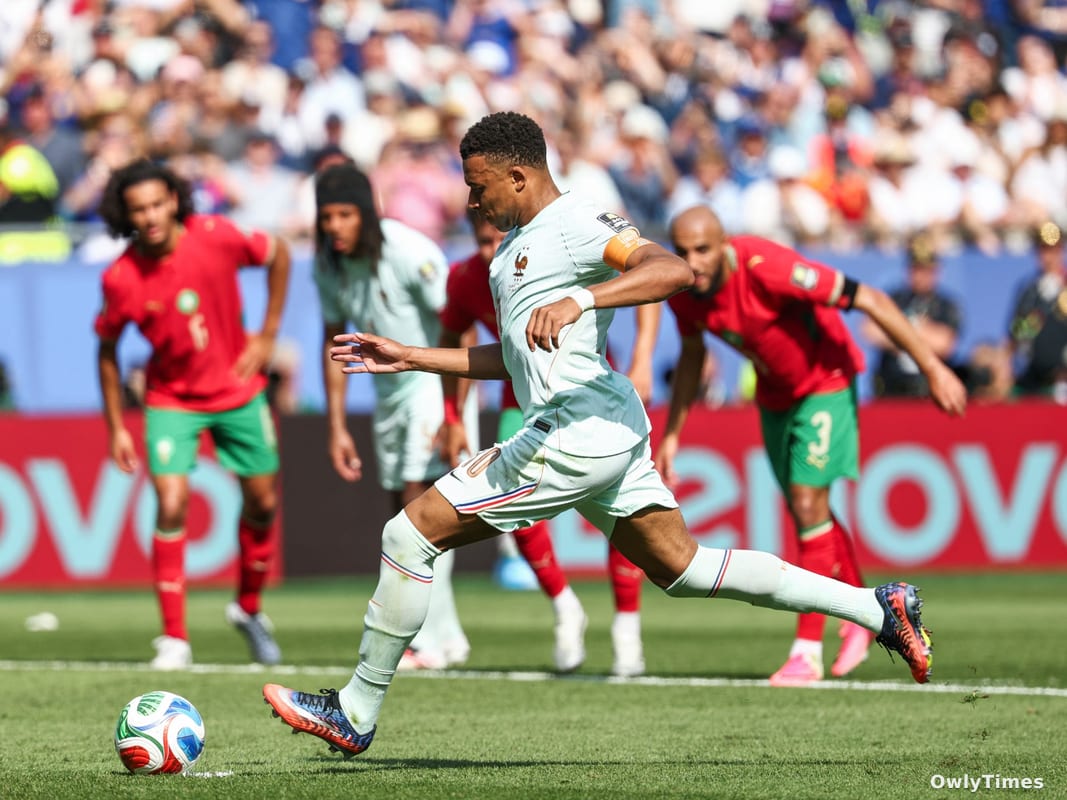

The roar of the crowd at MetLife Stadium on July 19, 2026, was a physical force, a testament to the global obsession culminating in the 2026 FIFA World Cup final. As the titans of Spain and Argentina battled, the stakes were palpable, amplified by a tournament that had already delivered drama in spades. For 90 minutes, the scoreboard remained stubbornly blank, a mirror to the defensive masterclasses and missed opportunities that had defined this epic clash. This deadlock, confirmed by The Guardian, propelled the match into the dreaded, yet exhilarating, realm of extra time.
The tension in East Rutherford, New Jersey, was thick enough to cut with a knife. NPR reported an estimated 80,000 fans packed the stadium, a sea of vibrant colors and fervent hope, with secondary market tickets fetching close to $10,000. The final was the crescendo of a 39-day global spectacle that saw over six million fans attend matches across three host countries, marking the largest World Cup in history. CBS News highlighted the presence of global dignitaries, including President Trump and Spain's Royal Family, underscoring the immense cultural weight of the event. The pre-match closing ceremony itself was a star-studded affair, featuring performances by Post Malone, Robbie Williams, and Jennifer Hudson, with Tom Cruise among the notable attendees.
A Stalemate Forged in Extra Time
As the clock ticked past the 90-minute mark, the narrative shifted. The carefully constructed strategies and relentless attacking efforts from both sides had yielded no breakthrough, a testament to the defensive prowess that had carried them to this final stage. The Guardian detailed the unfolding drama, noting that Spain had managed 19 attempts at goal with 11 on target by the end of regulation, while Argentina, remarkably, had not registered a single shot on target. This stark statistic underscored the tight defensive grip and the goalkeeping heroics, particularly from Argentina's Martinez, who had made 11 saves by the 93rd minute.
The first 15-minute half of extra time mirrored the previous 90, a grueling battle of wills. Then, in the 106th minute, the deadlock was finally broken. A deep cross from Pedro Porro found Nico Williams, who headed it back for Ferran Torres to lash into the roof of the net with his left foot. This electrifying goal, as reported by The Guardian, put Spain ahead, a moment of individual brilliance in a contest defined by collective effort. The joy was short-lived for Spain, however, as a disallowed goal for Nico Williams in the 96th minute, following a soft foul on Nicolas Otamendi, served as a stark reminder of how fine the margins can be.
The Shadow of Wildfires and the Specter of Penalties
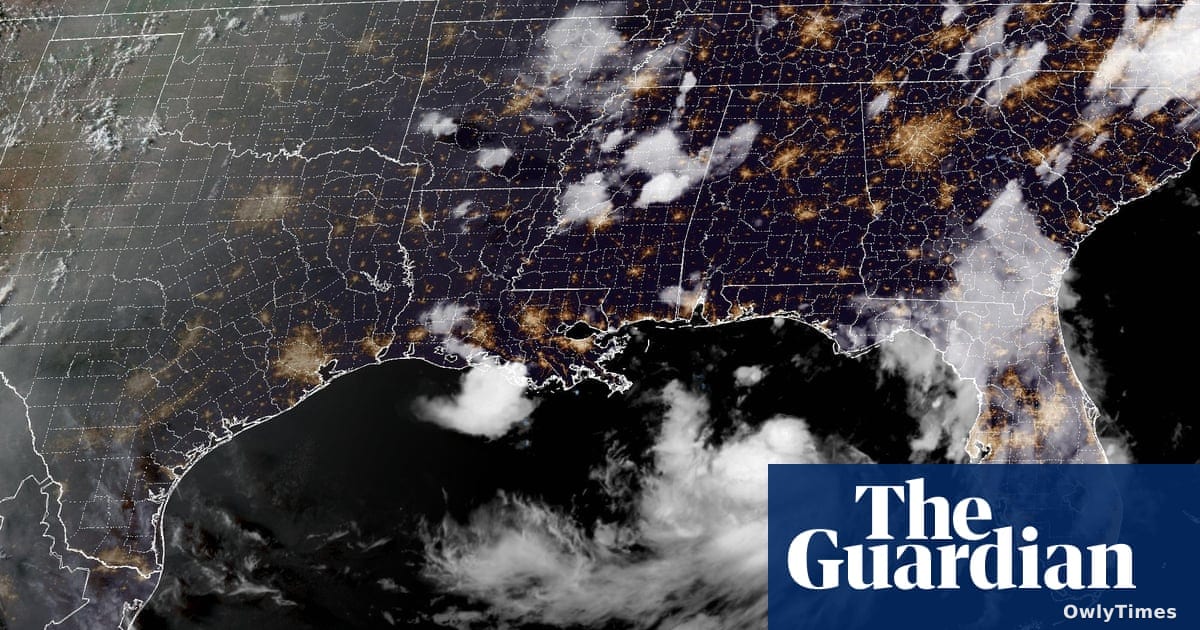
While the focus was squarely on the pitch, the backdrop to this global event was not entirely serene. CBS News mentioned that the final was taking place after several hazy days caused by wildfire smoke traveling south from Canada, a subtle environmental concern woven into the fabric of the day. Meanwhile, back in Spain, the nation was grappling with its own environmental crisis. Euronews reported on two major wildfires raging in the country, with one near La Mierla already having burned almost 13,000 hectares and another near Orés exceeding 15,400 hectares. These blazes were part of a devastating fire season that had seen approximately 70,000 hectares burn across Spain by mid-July, a significant increase compared to the same period in 2025.
The intensity of the World Cup final, and the possibility of it being decided by the cruel lottery of a penalty shootout, was a recurring theme. Al Jazeera offered an explainer on the rules, detailing how a penalty shootout occurs if a match remains tied after 30 minutes of extra time. The stakes of such a contest are immense, as history has shown. The 1994 final between Brazil and Italy, decided by penalties after a 0-0 draw, remains etched in memory, as does Italy's 2006 victory over France and Croatia's dramatic shootout wins in 2018. For Argentina, with a strong record of six wins and one loss in penalty shootouts, it might have been a familiar path, while Spain's record of one win and four losses, as noted by The Guardian, presented a daunting prospect.
The Messi-Yamal Conundrum and a Moment of Cultural Significance
Beyond the immediate drama of the match, the final offered a compelling generational narrative. The clash between Lionel Messi, the aging maestro widely considered the Greatest of All Time, and Lamine Yamal, the 19-year-old Spanish phenom, was irresistible. Both were products of Barcelona's famed La Masia academy, their careers intertwining in a way that felt predestined. Messi himself had a poignant recollection of meeting Yamal as a baby for a UNICEF charity photo shoot, a "madness" that now found them facing each other on the world's grandest stage. Yamal, despite an earlier quad injury, had showcased flashes of brilliance throughout the tournament, embodying Spain's youthful resurgence.
NPR highlighted Messi's continued extraordinary performance at 39, with eight goals and four assists, placing him second only to Kylian Mbappé in tournament scoring. His leadership had guided Argentina through improbable wins, often in the dying minutes or extra time, showcasing a mentality that Spain's coach, Luis de la Fuente, acknowledged as "spectacular." The juxtaposition of Messi's nearing the twilight of his career and Yamal's at its dawn created a powerful cultural moment, a passing of the torch, or perhaps, a defiant stand against it. The final, with its blend of established greatness and emerging talent, transcended mere sport, becoming a narrative about legacy, ambition, and the enduring allure of football's greatest prize. The outcome, whether decided in regulation, extra time, or the stark reality of penalties, would undoubtedly reverberate through the annals of sporting history and beyond.