
Beyond the Science Fair: Cultivating Problem-Solvers in a Changing Landscape
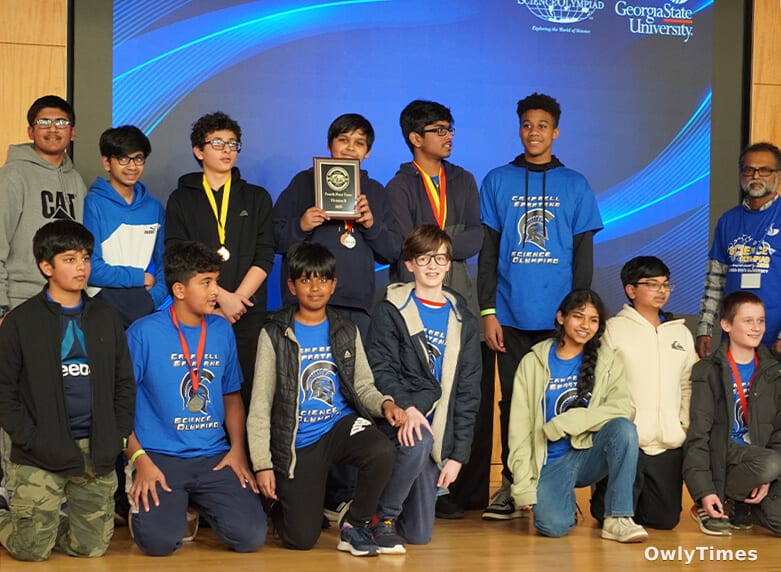
The flurry of activity surrounding the upcoming Science Olympiad regional tournament at Georgia State University isn’t simply about showcasing pre-existing scientific knowledge; it’s a deliberate effort to cultivate a specific kind of thinking – one focused on rapid problem-solving under pressure, collaborative teamwork, and the acceptance of iterative failure. While many associate STEM education with rote memorization and standardized tests, events like the Division B Regional Tournament, hosting 22 teams from 14 metro Atlanta middle schools on February 28th, represent a crucial, and often overlooked, component of preparing students for the demands of a 21st-century workforce. The competition, spanning 22 events from physics to Earth science, isn’t about finding the “right” answer, but about applying scientific principles to novel challenges – a skill increasingly valued across all sectors.
Source material: news.gsu.edu.
A Shift in STEM Emphasis: From Content to Process
The structure of the Science Olympiad, founded in 1984 and now encompassing 6,700 teams nationally, reveals a subtle but significant shift in how we approach STEM education. Traditional science fairs often emphasize individual projects and polished presentations, rewarding comprehensive research on a single topic. In contrast, the Olympiad’s 22 events – each a distinct challenge – demand breadth of knowledge and the ability to quickly synthesize information. As Shameer Abdeen, a lecturer in Georgia State’s Department of Physics & Astronomy, notes, the goal is to “inspire the next generation of scientists, engineers and innovators.” But the inspiration isn’t solely about sparking interest in specific fields; it’s about fostering a mindset of adaptability and resourcefulness. This is particularly relevant given projections from the World Economic Forum identifying complex problem-solving and critical thinking as top skills employers will seek by 2025.
The Volunteer Engine: A University’s Role in STEM Pipeline Development
The scale of the tournament – requiring over 100 volunteers from Georgia State faculty, staff, and students – underscores a critical, often invisible, aspect of STEM outreach: sustained institutional commitment. It’s easy to highlight flashy research grants or new laboratory equipment, but the consistent dedication of university resources to events like the Science Olympiad demonstrates a genuine investment in the STEM pipeline. This isn’t simply altruistic; a robust local STEM ecosystem directly benefits the university by attracting talented students and fostering a skilled workforce. The fact that Georgia State has been a long-time host site isn’t accidental – it’s a strategic decision to position the university as a central hub for STEM education in the region. This contrasts with some institutions that prioritize prestige research over local community engagement, potentially widening the gap in STEM access for underrepresented groups.
Beyond State Lines: The Competitive Ladder and its Implications
The tournament’s structure – regional competition leading to state championships at the University of Georgia and ultimately the national tournament at the University of Southern California – creates a competitive ladder that incentivizes sustained engagement. While the prestige of national recognition is a draw, the more significant outcome may be the development of a cohort of students deeply immersed in STEM disciplines. It’s important to note, however, that access to these opportunities isn’t uniform. Schools with greater resources – better funding for extracurricular activities, more experienced teachers, and stronger parental involvement – are likely to be more competitive. This raises questions about equity within the Science Olympiad itself, and whether the tournament inadvertently reinforces existing disparities in STEM education. The 22 teams participating from metro Atlanta represent a diverse range of schools, but a deeper analysis of team demographics and resource allocation would be necessary to assess the true extent of equitable access.
What Happens After the Awards Ceremony? Tracking Long-Term Impact
The awards ceremony in Georgia State’s Student Center East Speaker’s Auditorium will mark the culmination of months of preparation for these middle schoolers, but it’s also a critical juncture for researchers interested in the long-term impact of STEM outreach programs. Simply tracking participation rates isn’t sufficient. Future studies should investigate whether involvement in events like the Science Olympiad correlates with increased enrollment in advanced STEM courses in high school, pursuit of STEM degrees in college, and ultimately, careers in STEM fields. More importantly, researchers should examine why these correlations exist. Is it the specific scientific knowledge gained, the development of problem-solving skills, or the fostering of a sense of belonging within a STEM community? Understanding these mechanisms will be crucial for designing even more effective STEM education initiatives. The question now isn’t just whether these students enjoy science, but whether this experience will demonstrably shape their future pathways and contribute to a more diverse and innovative STEM workforce.





