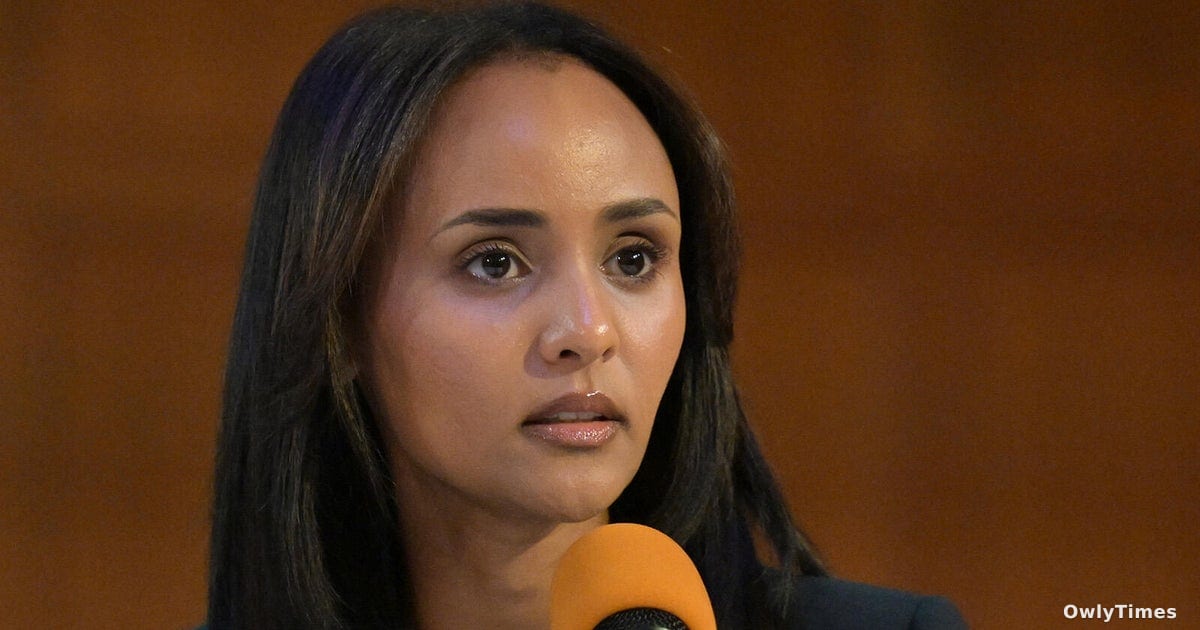

If you think a thirty-year incumbent is a permanent fixture of the political landscape, you haven’t been paying attention to the way digital-era organizing is bypassing the old guard. The real story here isn't just that Melat Kiros defeated Rep. Diana DeGette in Colorado’s First Congressional District primary; it’s that a 29-year-old first-time candidate successfully weaponized the same grassroots momentum that is currently upending establishment candidates across the country.
According to CBS News, Kiros secured 51.3% of the vote as of Wednesday, while the long-serving DeGette trailed with 41.7%. NBC News notes that this makes DeGette the seventh House member to lose renomination this cycle and the third in just seven days. While DeGette initially offered a public concession, ABC News reported that the incumbent did not speak or release a statement on the night the race was called, highlighting the suddenness of the political shift.
The Math Behind the Upset
Kiros’ victory didn't happen in a vacuum; it was a masterclass in exploiting local party mechanics. CBS News reported that Kiros had already signaled her strength at the Denver Democratic Assembly in March, where she captured 63% of the delegate votes compared to DeGette’s 32%. This early signal caught veteran strategists off guard. As longtime Colorado Democratic strategist Mike Dino told CBS News, DeGette’s failure to secure a "backup plan with signatures" to ensure her spot on the ballot proved fatal, as her reliance on name recognition was no longer a substitute for a disciplined ground game.
Policy as a Product
To understand why Kiros won, you have to look at how she repositioned the "product" of the Democratic platform. She didn't just run against an incumbent; she ran against a perceived lack of urgency. NBC News points out that Kiros argued DeGette was not adequately addressing the political moment, specifically regarding the need to counter a federal government under the influence of Donald Trump. Kiros leaned heavily into democratic socialist pillars, including “Medicare for All,” abolishing Immigration and Customs Enforcement, and calling for an unconditional arms embargo on Israel, according to reports from both NBC News and ABC News.
The Broader Network Effect
The shift in Denver is part of a larger trend of insurgent candidates finding success in deep-blue districts. CBS News cites a September 2025 survey by the Colorado Polling Institute, which found that 52% of Denver voters surveyed favored socialism over capitalism—a data point Kiros used to justify her platform. This isn't just about one district; it's a recalibration of what the electorate expects from its representatives. ABC News notes that while other progressives in Colorado, such as state Sen. Julie Gonzales, faced mixed results, the success of candidates like Manny Rutinel in the 8th District suggests that this preference for younger, more aggressive challengers is not an isolated phenomenon.
What Comes Next
For ordinary users and voters, the implications are clear: the barrier to entry for political office is being lowered by those who can build a direct, ideological connection with the base, bypassing traditional party gatekeepers. We should expect to see this play out in the general election on November 3, where Kiros will face Republican Christy Peterson. Watch the fundraising and organizing activity in the lead-up to that date; if Kiros’ campaign maintains its current momentum, it will serve as the definitive blueprint for how to unseat a multi-decade incumbent in the next cycle.