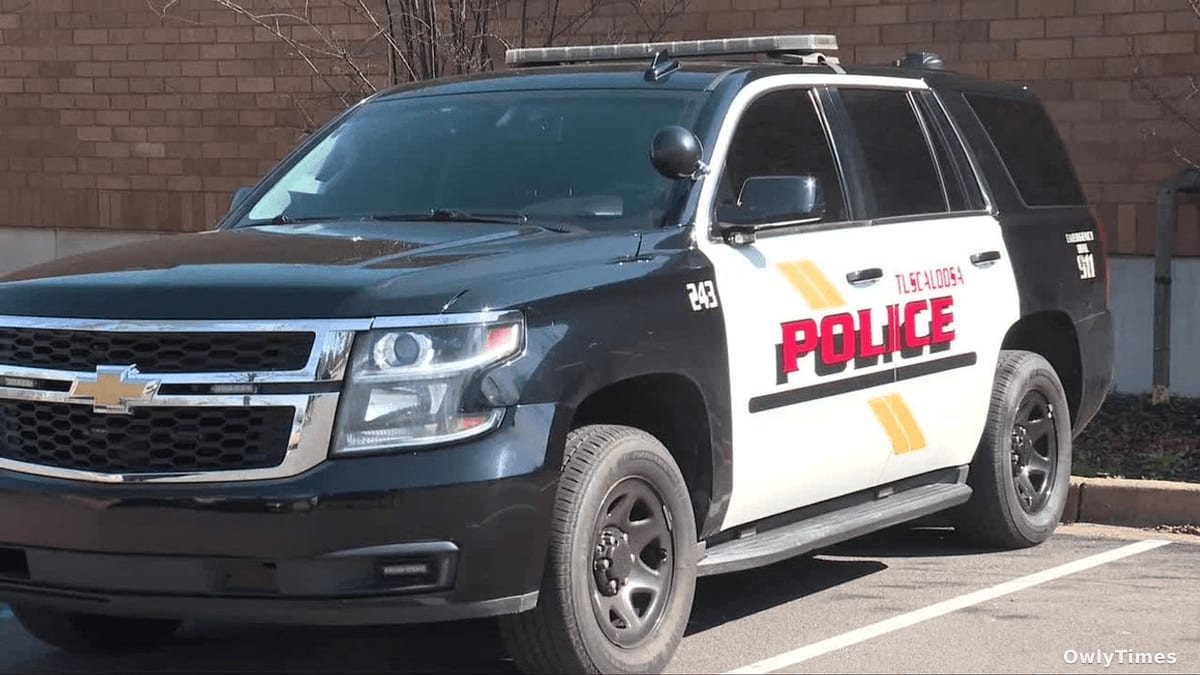

Is constant surveillance the price of feeling safe? That’s the question simmering beneath the surface of a $50,000 request from the Tuscaloosa Police Department for a new generation of drone technology. While framed as a public safety upgrade, the proposal for a “tethered drone” – essentially a kite with a camera – reveals a shift in how cities are thinking about persistent monitoring, and it’s a shift that deserves far more scrutiny than a simple budget approval. The real story here isn't about better police response times – it's about the normalization of long-duration aerial observation and what that means for the future of public space.
Beyond Battery Life: The Appeal of Perpetual Flight
Steve Zark, Operations Manager for the Tuscaloosa Police Department, pitches the upgrade as a matter of practicality. Traditional drones, he explains, are limited to roughly 35-40 minutes of flight time before needing a battery swap, interrupting surveillance feeds. This new “tethered drone” circumvents that limitation by drawing power directly from a vehicle on the ground, allowing for continuous operation – potentially for days. Crucially, the FAA classifies these tethered systems as kites, sidestepping some of the stricter regulations applied to conventional drones. This isn’t just about convenience; it’s about fundamentally altering the scope of what’s possible with aerial surveillance. Think of it like switching from a walkie-talkie to a permanently open phone line – the difference in capability is enormous.
See the original abc3340.com story for the full account.
The City as a Panopticon: Expanding Use Cases
Zark is quick to point out the potential benefits extend beyond crime response. The drone could be used for “strategic communications” and provide aerial views during city events. This is where the pitch gets slippery. While a temporary aerial view of a parade might seem harmless, the ability to maintain a constant, unwavering gaze over public gatherings raises serious questions. The department claims strict privacy policies are in place, stating cameras are pointed towards the horizon during transit and focused only on “areas of interest.” But the very idea of pre-defined “areas of interest” suggests a proactive, rather than reactive, approach to surveillance. It’s not about responding to incidents; it’s about anticipating them – or, more accurately, about monitoring for deviations from the norm.
A $50,000 Investment in the Future of Policing
The $50,000 price tag itself isn’t astronomical in the context of municipal budgets, but it represents a significant investment in a technology that’s rapidly evolving. Consider that just a few years ago, this level of persistent aerial surveillance was prohibitively expensive and technically challenging. Now, it’s a relatively affordable option for mid-sized cities like Tuscaloosa. This accessibility is accelerating the adoption of these systems, and the lack of a national framework for regulating their use is deeply concerning. We’re seeing a patchwork of local policies emerge, leaving citizens vulnerable to varying levels of oversight and accountability. The claim that this technology will reduce “man-hours” also deserves a closer look. While it may decrease the need for officers on patrol, it simultaneously concentrates surveillance power in the hands of a smaller number of operators.
What Happens When "Up" is Always Watching?
If the Tuscaloosa City Council approves the funding, Zark anticipates the drone will be operational within 60 days. But the real deadline isn’t about deployment; it’s about public discourse. The question we should be asking isn’t if this technology is useful, but under what conditions its use is acceptable. Watch for a surge in similar proposals in other cities in the coming months. More importantly, watch for a growing disconnect between the promises of enhanced safety and the erosion of privacy. My prediction? Within two years, we’ll see the first major legal challenge to the use of tethered drones, not over a specific incident, but over the fundamental right to move through public space without being subjected to constant, unwavering observation. The fight won’t be about battery life; it will be about the very definition of a free society.