
The Strategic Signaling of DOJ Control
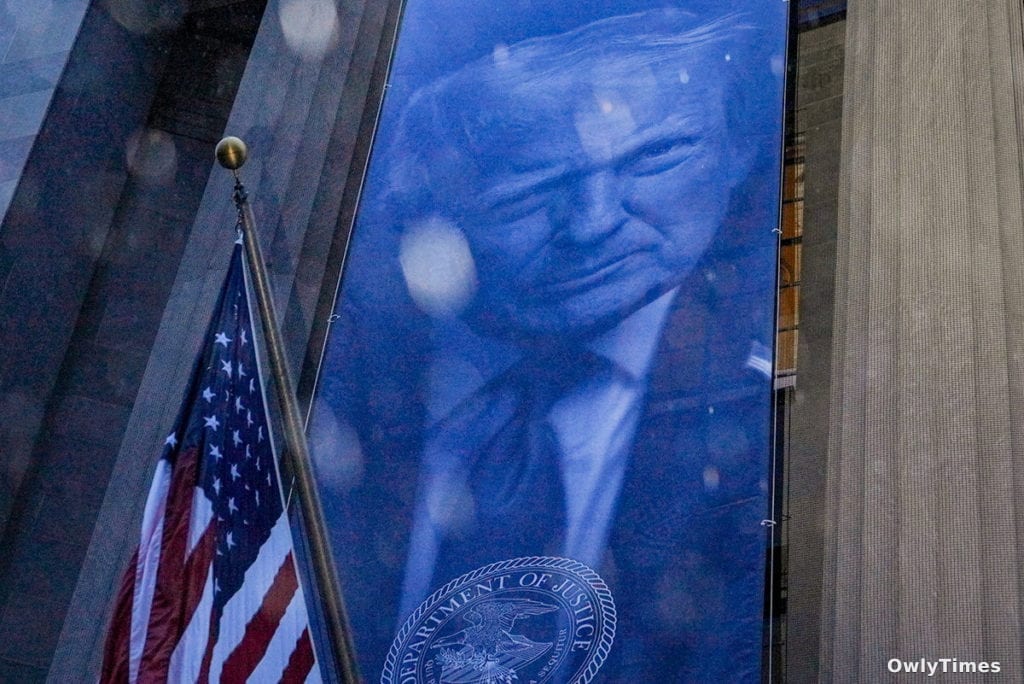
The placement of a “Make America Safe Again” banner featuring Donald Trump’s image on the Justice Department headquarters isn’t a spontaneous act of political theater; it’s a calculated move designed to reshape the perception of the DOJ’s role within the executive branch. While similar banners have appeared at other federal buildings, targeting the DOJ—an institution historically prized for its independence—represents a direct challenge to established norms and a clear assertion of presidential dominance. The strategic calculus here is simple: by visually associating the DOJ with Trump’s brand and policy agenda, the administration aims to preemptively inoculate itself against future investigations and solidify its control over law enforcement priorities.
See the original PBS story for the full account.
Who Benefits and Who Loses from Eroding DOJ Independence
The immediate beneficiaries of this move are, predictably, Trump and his inner circle. By signaling a willingness to directly influence the DOJ, the administration creates a chilling effect on potential whistleblowers and discourages investigations that might be politically inconvenient. Businesses aligned with the administration’s “Make America Safe Again” agenda—particularly those involved in border security and law enforcement technology—also stand to gain from a DOJ perceived as a loyal instrument of the president’s will. Conversely, those who lose are the American public and the very concept of impartial justice. The DOJ’s credibility as a neutral arbiter of the law is demonstrably weakened, potentially undermining public trust in the legal system and emboldening those who believe they are above the law. The career prosecutors and agents within the DOJ, tasked with upholding the law regardless of political pressure, are also casualties, facing a climate of intimidation and potential retribution.
A Historical Echo of Executive Overreach
This isn’t the first time a president has attempted to bend the DOJ to their political will. The Nixon administration’s creation of the “Plumbers” unit and the subsequent Watergate scandal serve as a stark reminder of the dangers of unchecked executive power. While Trump’s tactics are less overtly clandestine, the underlying impulse—to use the DOJ as a tool for political advantage—is strikingly similar. Even the rhetoric employed—dismissing criticism as “politicization” while simultaneously injecting partisan messaging into law enforcement—mirrors Nixon’s attempts to deflect scrutiny and portray himself as a victim of political persecution. The key difference lies in the context: the post-2024 political landscape, marked by deep partisan divisions and a diminished respect for institutional norms, makes Trump’s actions feel less exceptional and potentially more normalized.
The Attorney General's Role in the Power Play
Pam Bondi’s public posture as Trump’s “chief supporter and protector” is crucial to understanding the DOJ banner’s significance. Her explicit rejection of the traditional “arms-length” relationship between the White House and the DOJ signals a deliberate policy shift. Bondi’s actions are not merely a reflection of personal loyalty; they represent a broader strategy to dismantle the institutional safeguards that have historically shielded the DOJ from political interference. The fact that Bondi, a figure known for her aggressive advocacy, occupies the Attorney General’s office underscores the administration’s commitment to consolidating power within the executive branch.
The Abandoned Cases and the Narrative of Reciprocity
The administration’s defense—that the Biden administration “politicized law enforcement” by abandoning two federal criminal cases against Trump after his 2024 election—is a classic example of whataboutism. While the decision to drop those cases was undoubtedly controversial, it doesn’t justify the current assault on the DOJ’s independence. The administration’s invocation of this past grievance serves to deflect criticism and frame its actions as a form of reciprocal retribution, further blurring the lines between legitimate law enforcement and political vendetta. The abandonment of the cases, while raising legitimate questions about prosecutorial discretion, does not provide a blank check for the current administration to politicize the DOJ.
The Next Move: Targeting Whistleblowers?
The banner is just the opening gambit. The question now is how the administration will translate this symbolic assertion of control into concrete action. The most likely next move is a targeted campaign against whistleblowers within the DOJ who might be inclined to leak information or cooperate with investigations. Expect increased scrutiny of internal communications, aggressive use of non-disclosure agreements, and potential disciplinary actions against those perceived as disloyal. The administration will likely frame these actions as necessary to protect classified information and maintain the integrity of the DOJ, further solidifying the narrative of a besieged institution fighting against external forces.