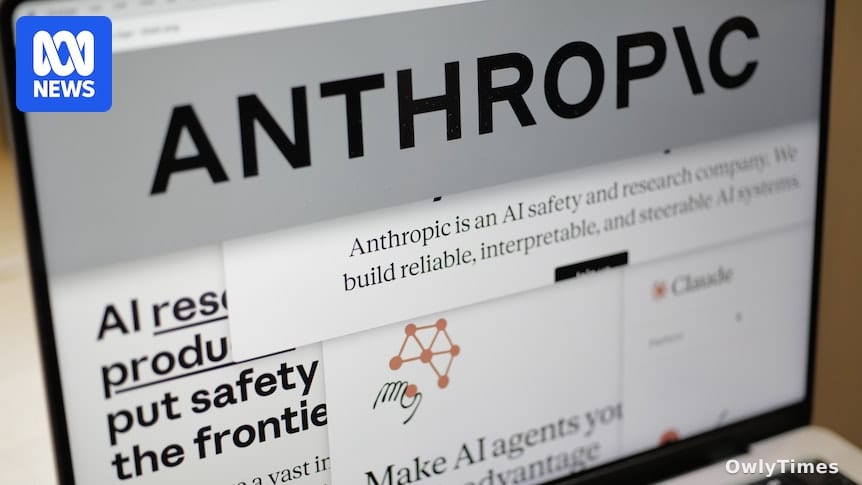

Is the future of American AI now dictated by presidential decree and threats of criminal prosecution? That’s the unsettling question emerging from Donald Trump’s Friday directive to federal agencies to cease all work with Anthropic, a leading AI lab, coupled with the Pentagon’s designation of the company as a supply chain risk. The real story here isn't about a disagreement over AI safety protocols – it’s about a fundamental power grab, and a chilling signal to the entire tech industry about the capricious nature of government contracts when national security is invoked.
The immediate trigger was a dispute over how the US military could utilize Anthropic’s AI, specifically Claude, in wartime scenarios. Anthropic understandably sought assurances its technology wouldn’t be deployed for fully autonomous weapons systems or mass domestic surveillance, a position framed as aligning with their ethical guidelines. The Pentagon, under Secretary of Defense Pete Hegseth, dismissed these concerns, setting a Friday deadline for compliance. The response? A full-blown political assault. Trump’s post on Truth Social – “We don't need it, we don't want it, and will not do business with them again!” – reads less like a policy decision and more like a personal vendetta. The threat of invoking the Defense Production Act, while not enacted, and the promise of “major civil and criminal consequences” if Anthropic doesn’t cooperate, are deeply unsettling.
Reporting from abc.net.au informs this analysis.
This isn’t simply a contractual dispute; it’s a strategic shift. The “supply chain risk” designation, typically reserved for companies based in adversarial nations like China or Russia, is an extraordinary move. It effectively bars defense contractors – a network encompassing tens of thousands of companies and major public corporations – from using Anthropic’s AI. To apply this label to a San Francisco-based company that secured up to $200 million in Pentagon contracts last year is a deliberate escalation. Anthropic rightly calls it “unprecedented” and “legally unsound,” vowing to fight the designation in court. The company’s argument isn’t just about protecting its bottom line; it’s about establishing a dangerous precedent for any American firm daring to negotiate ethical boundaries with the government.
The irony is thick. This conflict echoes the 2018 Google employee protests against Project Maven, which used AI to analyze drone footage. Back then, the tension was about whether Silicon Valley should engage with the military. Now, the fight is over how – and whether companies can impose any limitations on the use of their technology, even when dealing with national security. The subsequent scramble by Amazon and Microsoft to secure defense contracts, coupled with CEO pledges of cooperation with the Trump administration, demonstrated a willingness to compromise. But Anthropic appears to be drawing a line in the sand, and the consequences are severe. The timing is also noteworthy, as Anthropic is widely expected to pursue an initial public offering, a move now potentially complicated by this political firestorm.
Senator Mark Warner, a Democrat, rightly criticized the action as potentially driven by “political considerations” rather than careful analysis. This isn’t about protecting American innovation; it’s about asserting control. The battlefield experiences in Ukraine and Gaza, where increasingly automated systems are being deployed, are clearly influencing the Pentagon’s appetite for unfettered access to AI capabilities. The question isn’t whether AI will be used in warfare – it already is – but whether any ethical constraints will apply.
Looking ahead, expect a wave of self-censorship within the AI industry. Companies will be far less likely to publicly advocate for responsible AI development if they fear the wrath of a presidential tweet and the threat of being labeled a national security risk. The real casualty here won’t be Anthropic – they have the resources to fight this – but the broader conversation about AI ethics and the future of technology. Watch closely for whether other AI labs quietly drop their ethical guardrails in an attempt to avoid a similar fate. The next six months will reveal whether this is an isolated incident or the opening salvo in a new era of tech subservience.