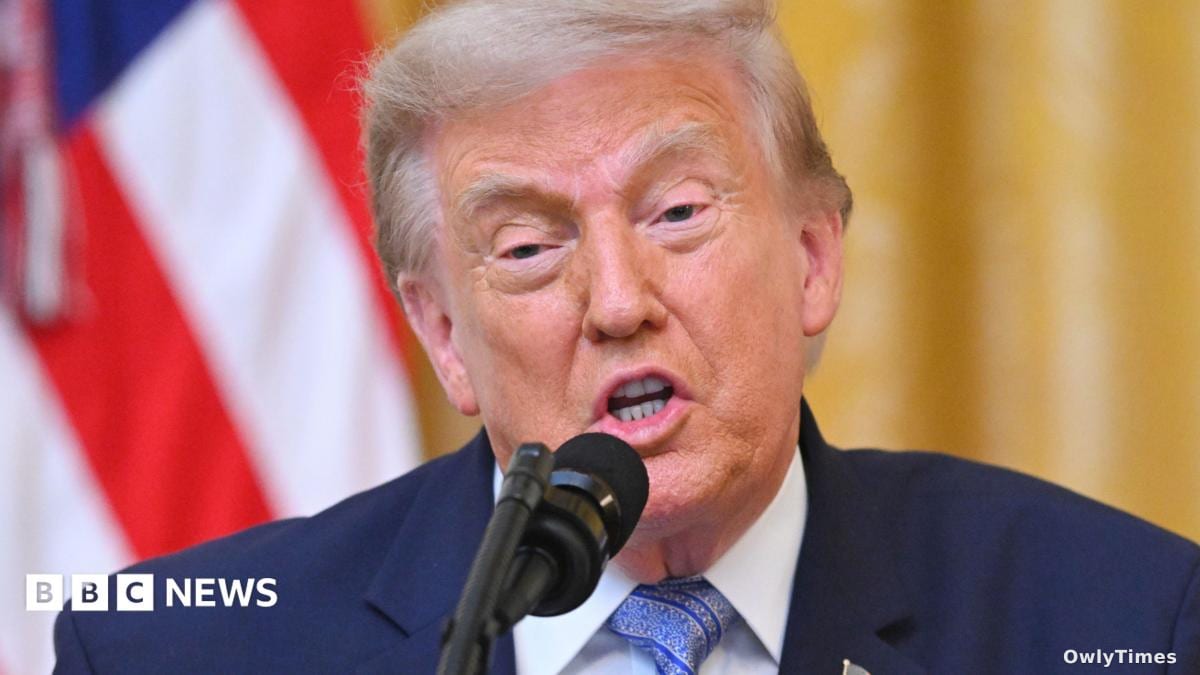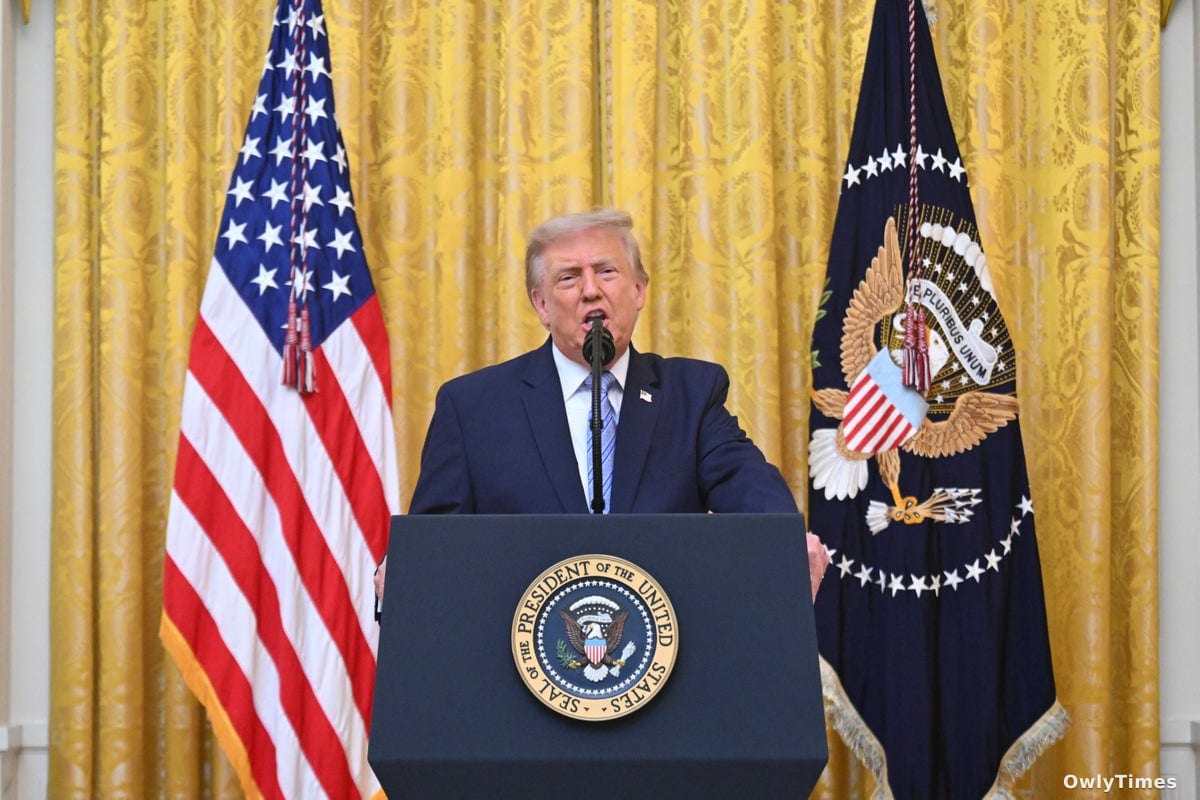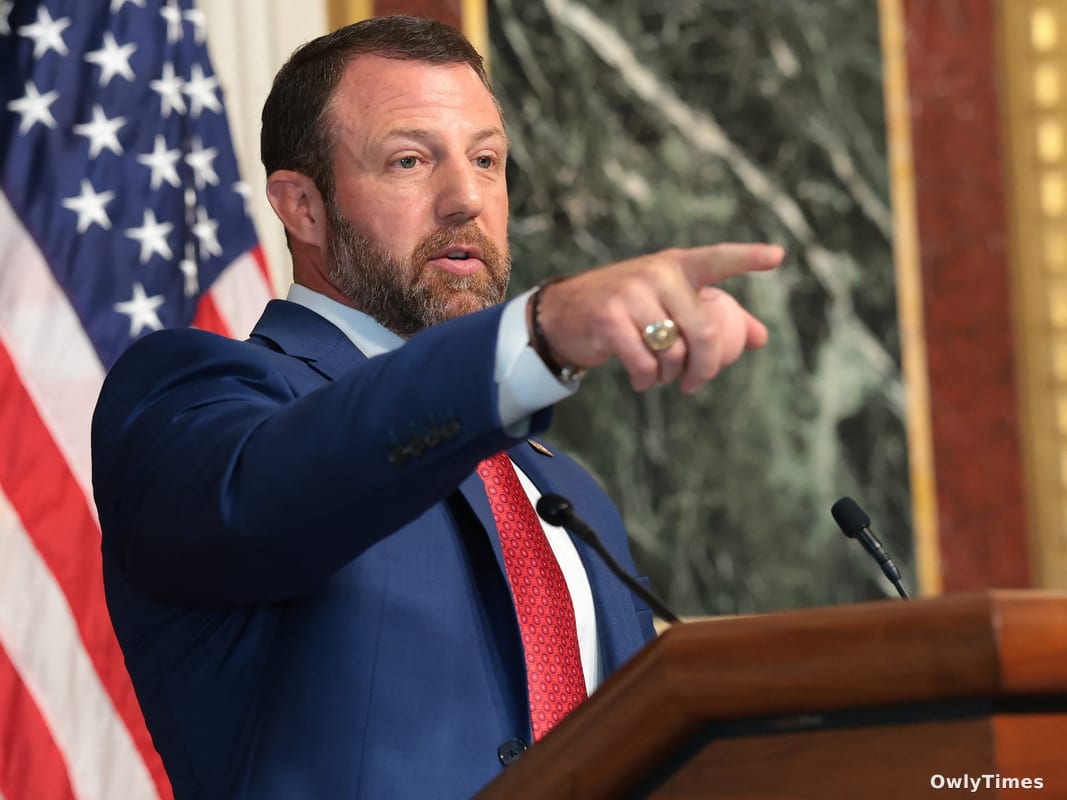

The strategic calculus behind the Trump administration’s recent offensive on election administration is clear: by centralizing the oversight of voter registration under the Department of Homeland Security (DHS), the White House aims to bypass state-level authority, effectively creating a federal mandate that forces states to adopt administration’s preferred security protocols or face the loss of federal funding. By framing this as a “maximum pressure” campaign—a term borrowed from his own foreign policy platform—Homeland Security Secretary Markwayne Mullin is attempting to turn the decentralized nature of the U.S. election system, traditionally a safeguard against federal overreach, into a liability for state officials.
Who benefits and who loses in this power struggle is increasingly evident. The administration stands to gain political leverage by creating a federalized standard for voter eligibility, potentially sidelining local election administrators who have historically operated with significant autonomy. Conversely, state election officials and the integrity of the registration process itself stand to lose, as the pressure to purge voter rolls based on potentially flawed data threatens to disenfranchise eligible citizens. As reported by NBC News, the administration’s primary tool for this effort, the Systematic Alien Verification for Entitlements (SAVE) database, has already been blocked by a federal judge who ruled that its use for election purposes violated rules regarding the disclosure of Social Security records.
The administration’s claims rely on a specific, though contested, set of data. According to Al Jazeera, Mullin stated that DHS has identified 250,000 non-citizens on voting rolls across California, Pennsylvania, New Jersey, and Nevada. While NBC News adds that Mullin cited a total figure of 278,000 foreign nationals nationwide, both reports note that the administration has provided no evidence that these individuals have actually cast ballots. This mirrors the rhetoric used during the 2016 election, when President Donald Trump falsely claimed millions voted illegally after winning the Electoral College but losing the popular vote. Experts, including Rick Hasen, noted in coverage by NBC News that if actual evidence of non-citizen voting existed, the administration would have moved to indictments rather than mere threats.
The conflict pits federal threats against state-level resistance. Mullin has explicitly warned that election officials who refuse to comply with federal data-sharing requirements face potential fines and prison time, with penalties of up to five years in prison and $250,000 in fines, as highlighted by The Independent. In response, leaders like California Governor Gavin Newsom have signaled a legal challenge, asserting that the state’s elections are already secure and daring the administration to intervene. This tension over state versus federal control is a recurring theme in American political history, often surfacing during periods of deep partisan polarization.
The political chess move to watch next involves the two-week deadline Mullin has imposed on secretaries of state to respond to his demand for collaboration. With the DHS cybersecurity team scheduled to release an updated election infrastructure plan within 30 days, the administration is moving quickly to institutionalize these changes before the 2026 midterms. Whether state officials buckle under the threat of funding cuts or engage in a protracted court battle will determine the extent to which the federal government can effectively nationalize the administration of local elections.