
The Spectacle of Saving College Sports: A Power Play or a Photo Op?
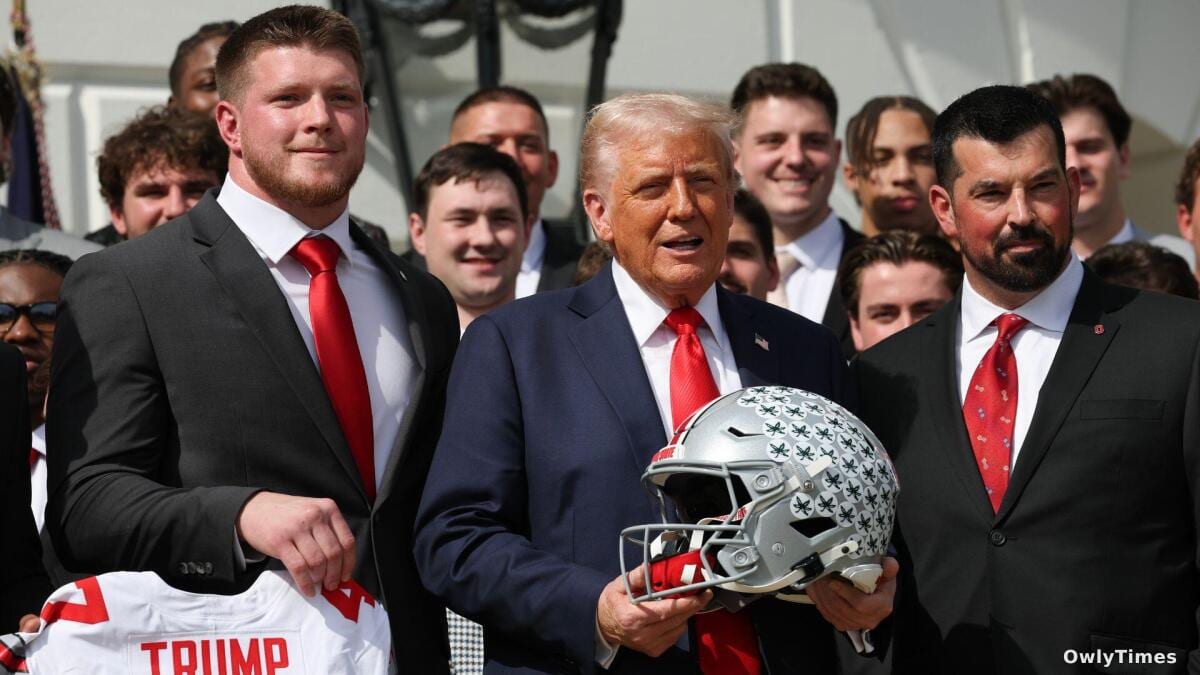
The invitation arrived embossed, a gilded summons to a crisis meeting. On March 6th, at 4 p.m. ET, Donald Trump will convene a “College Sports Roundtable” at the White House, a gathering so star-studded it reads like a fantasy draft of American influence. Tiger Woods alongside Nick Saban? Adam Silver sharing a room with Tim Tebow? It’s a tableau designed to signal urgency, but beneath the surface of this carefully curated guest list lies a deeper question: is this a genuine attempt to “save college sports,” or a strategic play for political leverage in an election year? The sheer breadth of invitees – at least 35, including university presidents, conference commissioners like Jim Phillips (ACC) and Greg Sankey (SEC), and even former Secretary of State Condoleezza Rice – suggests the stakes are being framed as a matter of national importance, not just athletic competition.
The timing is, undeniably, critical. The NCAA’s grip on power has been steadily eroding, chipped away by landmark court rulings that affirmed athletes’ rights to profit from their name, image, and likeness (NIL). This shift, while empowering for some athletes, has thrown the entire collegiate ecosystem into chaos. Revenue sharing is looming, state laws are a tangled mess, and the very definition of “amateurism” is being rewritten. The Big Ten and SEC, already flexing their financial muscle, are actively urging Congress to reject proposals that would consolidate broadcasting rights, a move that would further concentrate power in the hands of the wealthiest conferences. This isn’t about preserving tradition; it’s a battle for control of a multi-billion dollar industry, currently estimated to generate over $18 billion annually, a figure that’s only expected to grow.
Trump’s involvement, and the inclusion of Ron DeSantis as a vice chair, immediately injects a potent dose of political theater. Last summer’s executive order, titled “Saving College Sports,” felt largely symbolic, directing agencies to examine issues without enacting any concrete changes. This upcoming roundtable feels less like a fact-finding mission and more like a campaign stop, a chance to align with a popular cultural touchstone and appeal to a broad base of voters. The presence of Cody Campbell, chairman of Texas Tech’s board of regents and a vocal advocate for federal intervention, further underscores the push for Washington to step in and impose order. Campbell’s “Saving College Sports” campaign isn’t about protecting the idyllic image of the student-athlete; it’s about establishing a framework that protects the financial interests of established power structures.
Reporting from CBS Sports informs this analysis.
Beyond the headlines of celebrity attendees and political posturing, the core tension remains: how do you reconcile the commercial realities of modern college sports with the ideals of education and fair play? The current system is riddled with contradictions. Universities tout the academic achievements of their athletes while simultaneously prioritizing athletic revenue. Athletes are celebrated as role models while navigating a complex web of NIL deals and potential exploitation. The conversation around collective bargaining, expected to be a key topic at the roundtable, hints at a future where athletes are formally recognized as employees, a seismic shift that could fundamentally alter the landscape of collegiate athletics. But even that discussion is fraught with peril, raising questions about Title IX compliance and the potential for further legal challenges.
The invitation list itself is a microcosm of the power dynamics at play. The inclusion of media executives from ESPN and Fox Sports is particularly telling. These networks have a vested interest in maintaining the status quo, as they are the primary drivers of revenue for major college sports programs. Their presence suggests that any “solutions” discussed at the White House will likely prioritize the interests of the broadcasting industry. The question isn’t simply whether college sports needs saving, but who gets to define what “saving” looks like, and who benefits most from the outcome. Will this roundtable genuinely address the systemic issues plaguing college athletics, or will it simply serve as a platform for powerful interests to consolidate their control? The real game isn’t being played on the field; it’s unfolding in the halls of power, and the outcome will reshape the future of college sports for generations to come.