
The strategic deployment of self-branding, historically reserved for monarchs and dictators, is now a fully normalized tactic of the Donald Trump presidency. This week’s announcement that his signature will appear on US currency isn’t an anomaly, but a deliberate escalation of a pattern: the conflation of state power with personal identity. While ostensibly a symbolic gesture, the move – alongside the “TrumpRx” website, the “Trump Gold Card” visa program, and a commemorative gold coin bearing his likeness – reveals a calculated effort to leverage the authority of the presidency for long-term brand recognition and potentially, future commercial ventures. Who benefits and who loses here isn’t simply about political optics, but about the erosion of established norms surrounding the separation of public office and private enterprise.
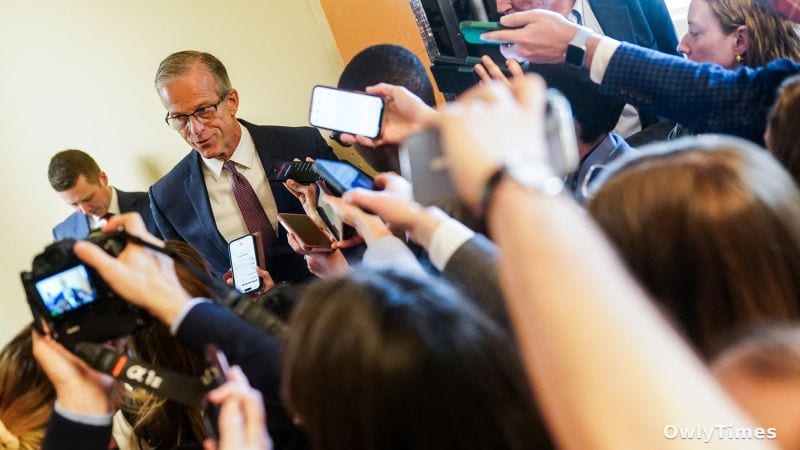
The Senate’s overnight vote to partially fund the Department of Homeland Security, deliberately excluding Immigration and Customs Enforcement (ICE) and parts of Customs and Border Protection, underscores a deeper fracture within the Republican party. The unanimous vote, achieved only on the eve of a scheduled recess, wasn’t a display of unity, but a pragmatic concession to avoid further disruption. The exclusion of ICE and CBP funding isn’t a policy statement against border security, but a tactical maneuver to force a negotiation with the House, where more hardline stances prevail. This mirrors the government shutdowns of the 1990s under Bill Clinton, where similar brinkmanship over budgetary priorities ultimately resulted in compromises that satisfied neither side fully. The immediate beneficiaries are the TSA and other DHS agencies restored to funding, while ICE and CBP – and the constituencies they serve – are left in a precarious position, their operations hampered and their political leverage diminished.
Based on the original CNN report.
The ongoing crisis in the Middle East is rapidly evolving beyond a regional conflict into a global economic shockwave. President Trump’s ten-day delay of strikes on Iranian energy sites, framed as a gesture towards “talks,” is less about de-escalation and more about managing the fallout of a potential war. The escalating energy crisis – evidenced by emergency responses in South Korea, Japan, and the Philippines – demonstrates the interconnectedness of global markets and the vulnerability of nations reliant on Middle Eastern oil. The Philippines, facing a potential 40-45 day petroleum supply, is particularly exposed. This situation echoes the oil crises of the 1970s, triggered by geopolitical events in the Middle East, which led to widespread economic recession and social unrest. While the US may be less directly impacted by immediate fuel shortages, the global economic consequences will inevitably reverberate domestically, potentially undermining the administration’s economic narrative.
The case of Nancy Guthrie, mother of “Today” show host Savannah Guthrie, introduces a disturbing element of personal vulnerability into the political landscape. Savannah Guthrie’s public plea, expressing fear her mother was abducted for ransom due to her daughter’s fame, highlights the potential for exploiting public figures for criminal gain. The $1 million reward offered by the family underscores the desperation and the high stakes involved. This case, while deeply personal, also raises questions about security protocols for families of high-profile individuals and the potential for copycat crimes. The active 20-24 person task force dedicated to the investigation signals the seriousness with which law enforcement is treating the abduction.
Finally, the California legislature’s decision to rename César Chávez Day as Farmworkers Day in response to sexual abuse allegations against César Chávez represents a complex reckoning with historical legacies. The bipartisan support for the change indicates a broader societal shift towards acknowledging and addressing past misconduct, even when it involves revered figures. This parallels the ongoing debates surrounding monuments to Confederate leaders and the re-evaluation of historical narratives in light of contemporary values. While the renaming doesn’t erase Chávez’s contributions to the farmworker movement, it acknowledges the harm caused by his alleged actions and seeks to center the experiences of the victims.
The political chess move to watch next is the House’s response to the Senate’s DHS funding bill. Will Speaker Mike Johnson accept the compromise, potentially alienating the more conservative members of his caucus, or will he push for a more stringent bill that risks another government shutdown? The answer will reveal the true balance of power within the Republican party and foreshadow the legislative battles to come.