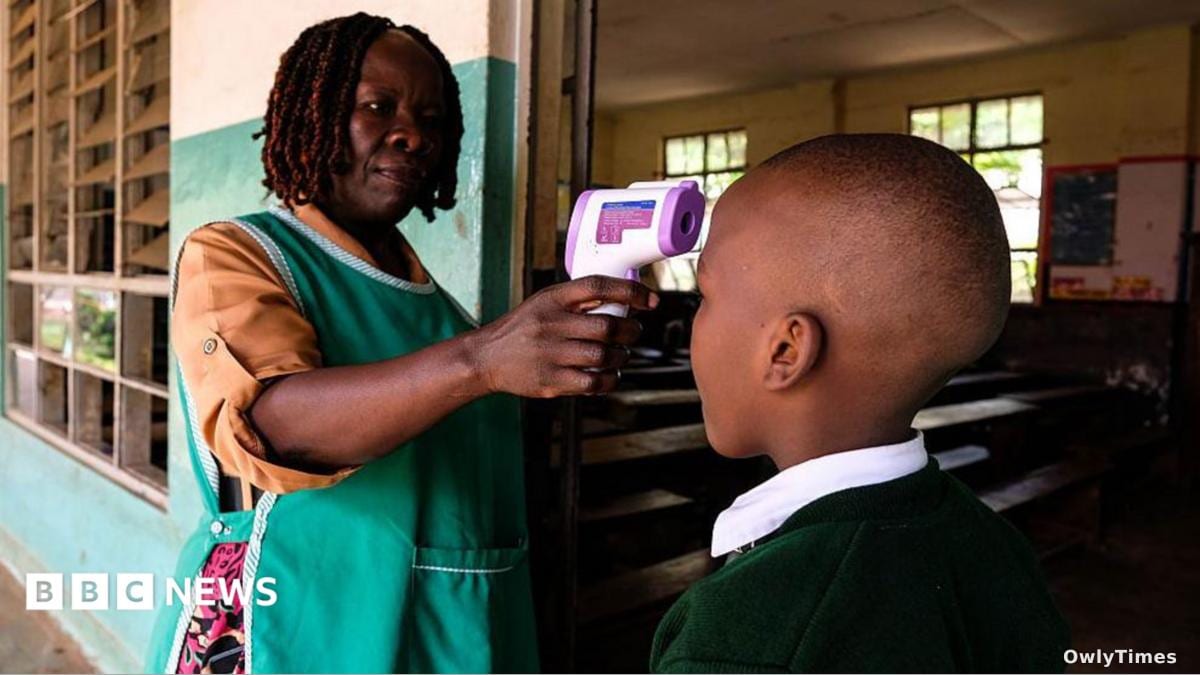

The successful discharge of the final Ebola patient from a Ugandan hospital this week marks a pivotal turning point in regional health security, prompting officials to shift their focus from containment to the economic repercussions of ongoing travel restrictions. While the move signals a major success for Uganda’s public health infrastructure, the global scientific community remains deeply concerned about the broader trajectory of the virus across the border in the Democratic Republic of Congo (DRC).
The discharge of the patient—a Congolese national treated at the Mulago national referral hospital in Kampala—was confirmed on Thursday, according to the BBC. This event officially triggers a 42-day observation period, a requirement set by the World Health Organization (WHO) to ensure no new transmission chains remain before the country can be declared officially Ebola-free, as noted by The Guardian.
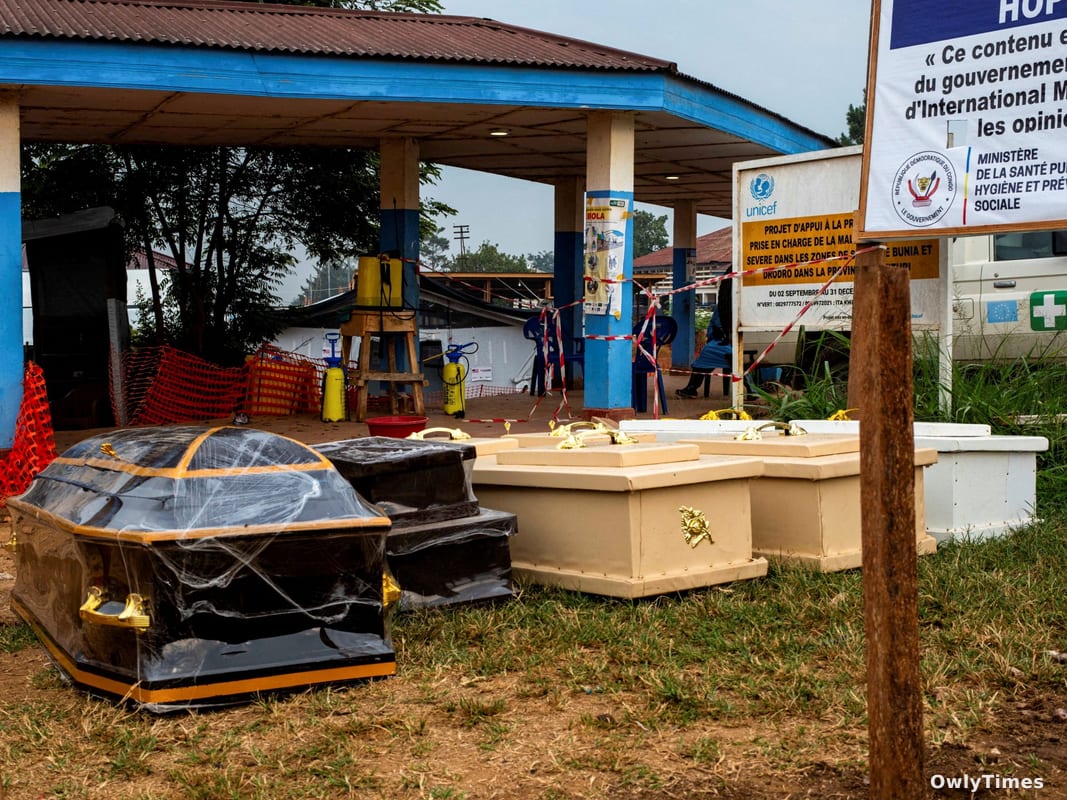
It is important to distinguish between the controlled nature of Uganda’s outbreak and the crisis unfolding in the DRC. Uganda recorded a total of 20 confirmed cases and two deaths, a remarkably low case fatality rate of less than 10%. As reported by Al Jazeera, Uganda has not reported a new case since June 22. In contrast, the DRC is battling the third-largest Ebola outbreak on record, with 2,073 confirmed cases and 796 deaths as of July 14, according to figures cited by both The Guardian and Al Jazeera.
Bridging the gap between data and reality
While headlines may suggest the regional threat is receding, the scientific reality is more complex. WHO Director-General Tedros Adhanom Ghebreyesus warned that the virus is expanding faster in the DRC than in any previous outbreak, with 80% of new cases emerging from previously unknown transmission chains. Furthermore, the WHO suggests that the actual number of infections could be up to four times higher than the recorded tally, as many deaths occur within communities without clinical oversight, according to the BBC.
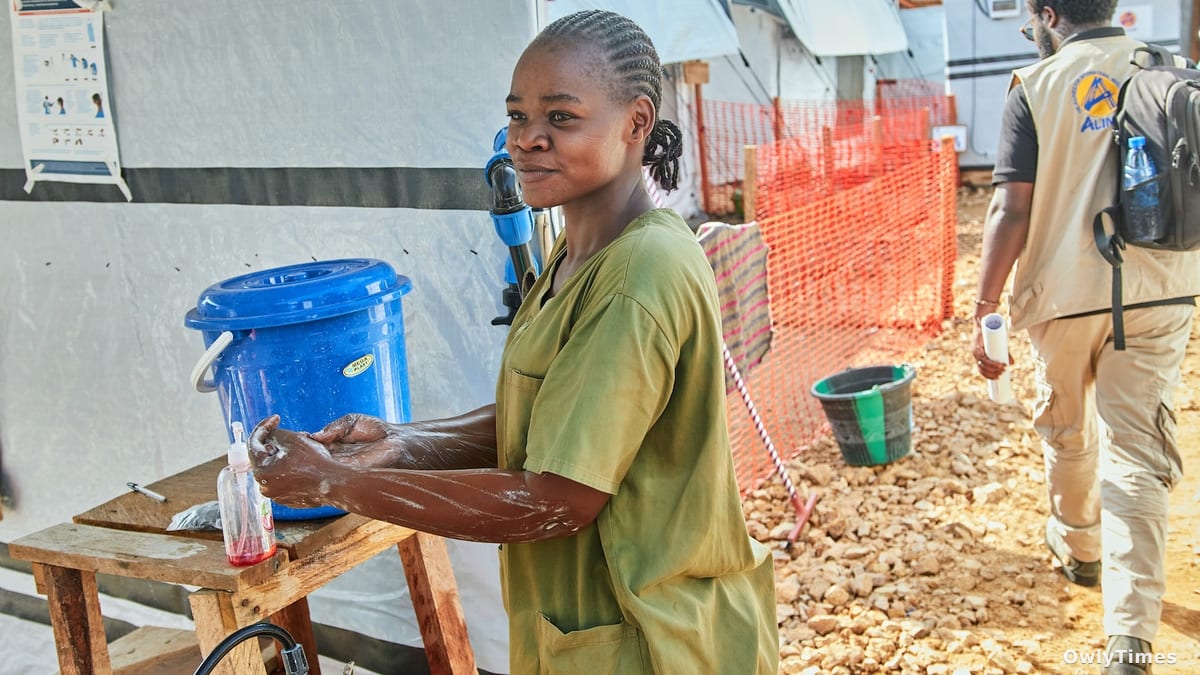
The disparity between Uganda and the DRC is largely attributed to preparedness. Ugandan health officials, led by Health Minister Dr. Chris Baryomunsi, emphasized that their success was not a matter of luck but of "early detection, prompt treatment and a strong health system." The Guardian reports that Uganda had pre-positioned medical supplies and trained emergency teams well before the first imported case arrived, providing a stark contrast to the DRC, where health workers face armed conflict and have even initiated strikes over pay.
Limitations and the path forward
Despite this progress, significant hurdles remain. Fifteen countries continue to maintain travel restrictions against Uganda, which the government argues is crippling its economy. Furthermore, the outbreak involves the rare Bundibugyo strain of the virus, for which there is currently no licensed vaccine or approved treatment. While the Oxford Vaccine Group has launched a Phase I clinical trial of the BD-Ebov vaccine candidate, these efforts are still in their infancy.
The next critical phase for researchers will be the expansion of these clinical trials and the implementation of the bilateral memorandum of understanding between Ugandan President Yoweri Museveni and DRC President Félix Tshisekedi. Uganda has already deployed 50 health workers and four mobile laboratories to the DRC to help contain the virus at its source. For now, the global health community will be watching the 42-day countdown in Kampala closely, as the data gathered there will serve as a vital case study in how targeted, rapid intervention can halt the spread of an otherwise devastating pathogen.