
The Affordability Gambit: Spanberger’s Response Signals a Shift in Democratic Messaging
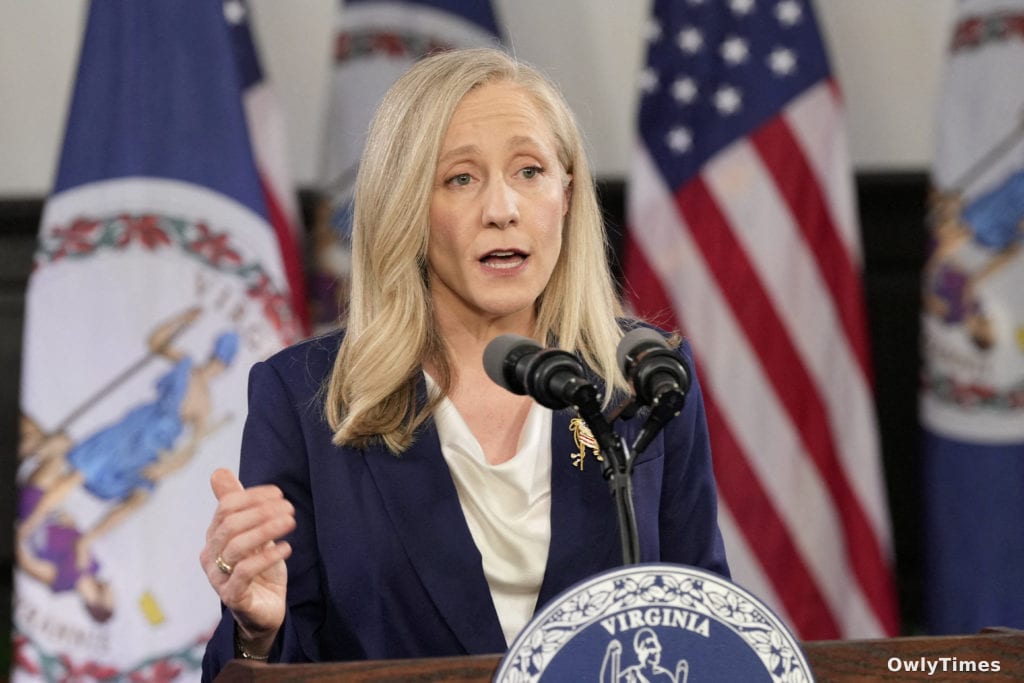
Abigail Spanberger’s direct accusation – that Americans “did not hear the truth” in Donald Trump’s State of the Union – wasn’t merely a partisan retort, but a calculated move to redefine the central battleground of the 2026 midterms. The immediate framing isn’t about policy disagreements, but about a perceived deception regarding economic realities. This isn’t a novel tactic; questioning an opponent’s honesty is standard political fare. However, Spanberger’s focus on “truth” regarding affordability, delivered immediately after Trump’s address touting his own record on the issue, is a deliberate attempt to seize the narrative and cast doubt on the President’s claims. The strategic calculus here is clear: if voters believe they’re being misled about their own financial well-being, the President’s economic arguments lose their potency.
Reporting from PBS informs this analysis.
Virginia’s Warning Shot and the Midterm Landscape
The selection of Spanberger, Virginia’s first female governor, to deliver the Democratic response is itself significant. Her election last November, in an off-cycle contest widely interpreted as a bellwether, demonstrated a clear appetite for Democratic messaging, particularly in traditionally swing states. Virginia’s shift, coupled with Democratic gains in other state-level races, provided a crucial data point: voters are responsive to concerns about the cost of living. Spanberger’s victory wasn’t simply a rejection of Republican policies; it was a mandate for addressing “problems that keep them up at night,” as she stated in her response – problems like housing, healthcare, and basic necessities. This isn’t a new concern for voters, but the emphasis on these granular, daily struggles represents a departure from broader economic indicators often favored by both parties. The timing of her response, directly following Trump’s address, amplifies the contrast and positions her as a direct voice for those feeling left behind.
The Core Disconnect: Inflation and Lived Experience
President Trump’s address centered on claims of driving down healthcare costs and blaming Democrats for past inflation. Spanberger’s rejoinder – “Is the president working to make life more affordable for you and your family? We all know the answer is no” – cuts to the heart of the disconnect between macroeconomic data and the lived experience of many Americans. While inflation has cooled from its 2022 peak of 9.1%, the cumulative effect of price increases over the past four years remains substantial. According to the Bureau of Labor Statistics, the Consumer Price Index is up 17.3% since February 2022, meaning it costs 17.3% more today to purchase the same basket of goods and services. This isn’t abstract data; it translates to higher grocery bills, increased housing costs, and mounting debt for millions of families. Spanberger’s focus on skipping prescriptions to afford groceries is a potent illustration of this reality, deliberately evoking a sense of desperation and highlighting the tangible consequences of economic pressures.
Historical Echoes: Carter and the Malaise of the 1970s
The current dynamic bears a striking resemblance to the late 1970s, when Jimmy Carter faced similar challenges with inflation and a sense of national malaise. Like Trump today, Carter attempted to address economic concerns, but struggled to connect with voters who felt their daily lives were worsening despite positive economic indicators. Carter’s famous “crisis of confidence” speech, while intended to inspire national unity, was widely perceived as out of touch and contributed to his defeat in 1980. The parallel isn’t perfect – the economic context is different, and Trump is a vastly different political figure than Carter – but the underlying principle remains: voters respond to how they feel about the economy, not just to statistics. Spanberger’s strategy appears designed to avoid the pitfalls of Carter’s approach by directly acknowledging and validating those feelings of economic insecurity.
The Next Move: Targeting Swing Districts with Affordability Messaging
The political chess move to watch next isn’t a grand legislative battle, but a targeted messaging campaign in key swing districts. Democrats will likely double down on the affordability narrative, focusing on specific local issues – housing costs in Arizona, healthcare access in Pennsylvania, childcare expenses in Wisconsin – to demonstrate their understanding of voters’ concerns. Expect to see increased emphasis on policies aimed at lowering everyday expenses, even if those policies are modest in scope. The goal isn’t necessarily to solve the affordability crisis overnight, but to convince voters that Democrats are actively listening and fighting for them. The question is whether Democrats can maintain this focus on granular, localized issues, or whether they will be drawn into broader ideological battles that risk losing sight of the economic anxieties driving the current political landscape.