
The question of what constitutes a responsible foreign policy is rarely framed in terms of immediate human survival, but that’s precisely the calculation at the heart of a recent shift in U.S. humanitarian aid. While headlines proclaim a “responsible exit” from seven African nations, the reality, as revealed in a recently obtained State Department email, is a calculated redirection of aid based not on need, but on perceived U.S. national interests. This isn’t simply a budgetary adjustment; it’s a fundamental re-evaluation of the purpose of humanitarian assistance, and the consequences are already rippling through communities facing extreme hardship. The narrative being presented – a streamlining of aid through new mechanisms – obscures a stark truth: programs previously deemed “lifesaving” are being canceled, leaving millions vulnerable.
The February 12th email, sent to officials within the State Department’s Bureau of African Affairs, details the impending end of all direct humanitarian funding to Burkina Faso, Cameroon, Malawi, Mali, Niger, Somalia, and Zimbabwe. This follows the earlier cancellation of aid packages to Afghanistan and Yemen, justified by concerns of terrorist diversion of resources – a justification conspicuously absent in the case of these seven nations. Instead, the email cites a “no strong nexus between the humanitarian response and U.S. national interests” as the rationale. This phrasing, while bureaucratic, is deeply revealing. It suggests a transactional approach to aid, where assistance is contingent on potential returns for the U.S., rather than a moral imperative to alleviate suffering. The administration is simultaneously redirecting funding to nine other countries – Ethiopia, the Democratic Republic of the Congo, the Central African Republic, Kenya, Mozambique, Nigeria, Uganda, South Sudan, and Sudan – but the specifics of this redirection remain largely opaque.
Drawn from theatlantic.com.
A State Department spokesperson characterized the changes as a move to “responsibly moving programming onto new mechanisms” with “longer periods of performance and updated award and oversight terms.” This explanation, however, lacks concrete detail. While new health-financing agreements are being signed with some African governments, these agreements primarily focus on strengthening health systems and combating infectious diseases, failing to address the immediate crises of hunger and displacement that existing aid programs were designed to mitigate. The shift towards channeling aid through the United Nations, specifically the Office for the Coordination of Humanitarian Affairs (OCHA), is presented as a positive step, but even this comes with caveats. A six-month spending deadline imposed on OCHA funds raises concerns about efficient and effective distribution, particularly in countries with complex logistical challenges.
The speed with which these changes are being implemented has also sparked internal dissent. According to two senior humanitarian-aid experts and one State Department employee, who spoke anonymously, the administration’s December announcement regarding OCHA funding “blindsided” officials and aid groups. This lack of transparency and consultation raises questions about the thoroughness of the planning and the potential for unintended consequences. The administration’s definition of “lifesaving” has also proven remarkably narrow, leading to the cancellation of programs addressing chronic hunger and tuberculosis, while prioritizing interventions for the most acutely malnourished. This prioritization, while seemingly logical, ignores the preventative power of addressing underlying vulnerabilities.
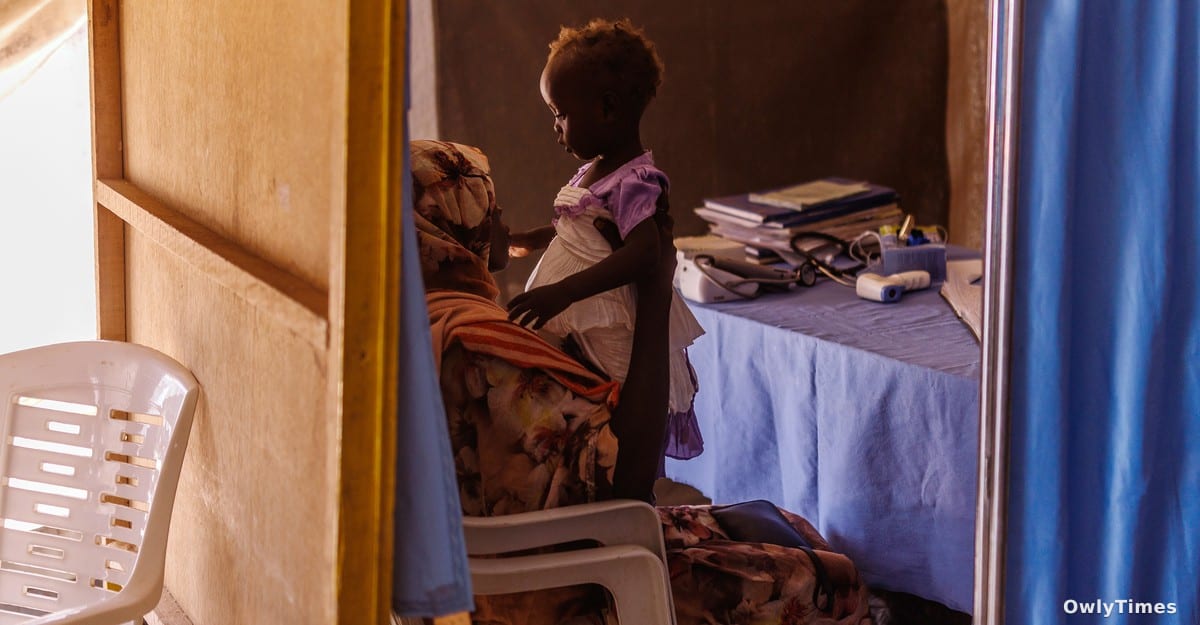
The human cost of these policy shifts is already becoming apparent. In Somalia, facing a severe drought and the potential for famine, hundreds of health and nutrition centers have closed following last year’s aid cuts. Doctors Without Borders reports a 44% increase in deaths among severely malnourished children under five in a hospital they support. Jocelyn Wyatt, CEO of the nonprofit Alight, estimates her organization will be forced to close over a dozen health facilities in Somalia, impacting as many as 200,000 people. Similar stories are emerging from Sudan, where Alight has been forced to withdraw from refugee camps, leaving vulnerable populations without access to essential healthcare. Despite the administration’s claims that “no one has died as a result of a brief pause,” these reports paint a grim picture of escalating suffering. Elon Musk’s assertion, and similar claims by Secretary of State Marco Rubio, are demonstrably contradicted by on-the-ground realities.
The dismantling of USAID last year, coupled with these recent cuts, represents a significant departure from decades of U.S. foreign policy. The “America First” approach, prioritizing national interests over humanitarian concerns, is not new, but its implementation is proving particularly damaging. The focus on securing mineral rights or accepting deportees in exchange for aid underscores the transactional nature of this new strategy. The question now is not simply whether this approach is morally justifiable, but whether it is sustainable. Will prioritizing short-term gains over long-term stability ultimately undermine U.S. interests in these regions? And, critically, what will happen when the six-month deadline for spending OCHA funds expires – will the promised aid materialize, or will vulnerable populations be left even further behind? The coming months will be a crucial test of whether this “responsible exit” truly serves anyone’s interests, or simply accelerates a humanitarian crisis.