
The Geometry of Power: Trump’s Simultaneous Signals of Peace, Preparation, and Personal Legacy
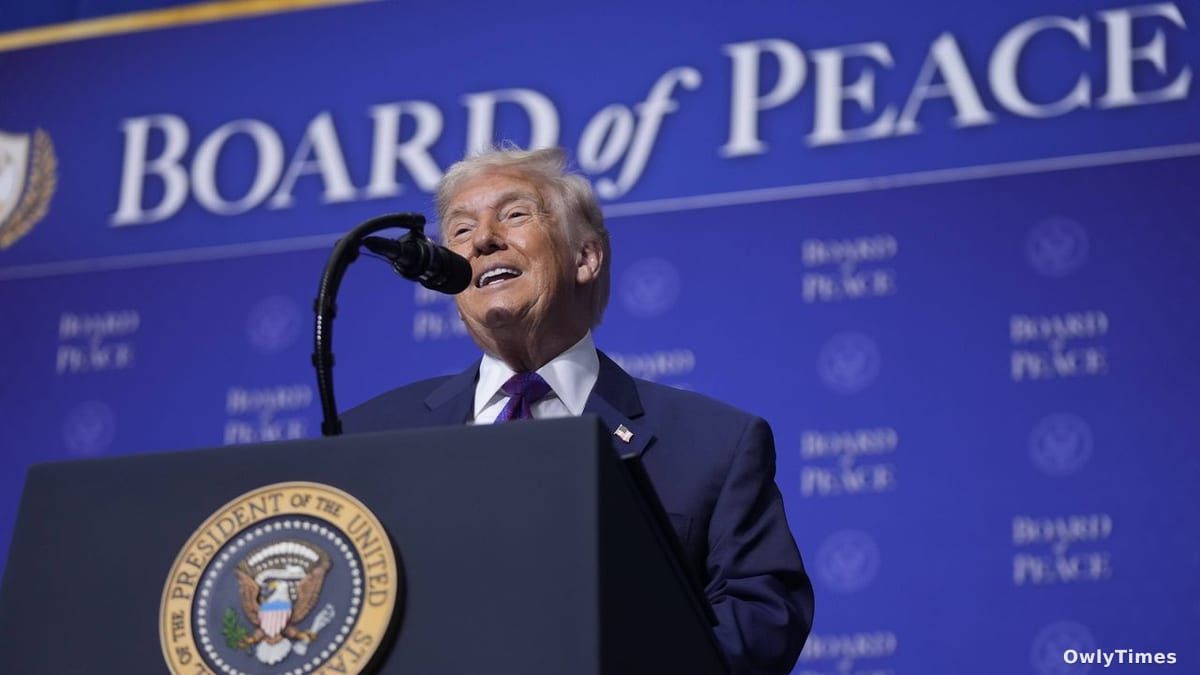
The $10 billion pledge to the Board of Peace, announced by President Trump alongside 17 world leaders, isn’t simply a philanthropic gesture – it’s a calculated maneuver to reframe the narrative of American foreign policy, positioning the U.S. as a proactive force for stability while simultaneously signaling resolve in a rapidly escalating geopolitical landscape. The timing, coinciding with heightened tensions with Iran and a second American aircraft carrier group moving into the Middle East, isn’t coincidental. It’s a demonstration of power through perceived benevolence, a tactic historically employed by empires to legitimize their influence. The Board’s focus on Gaza, a perpetually volatile region, allows Trump to claim a peacemaking role even as his administration prepares for potential conflict.
Original reporting: Spectrum News.
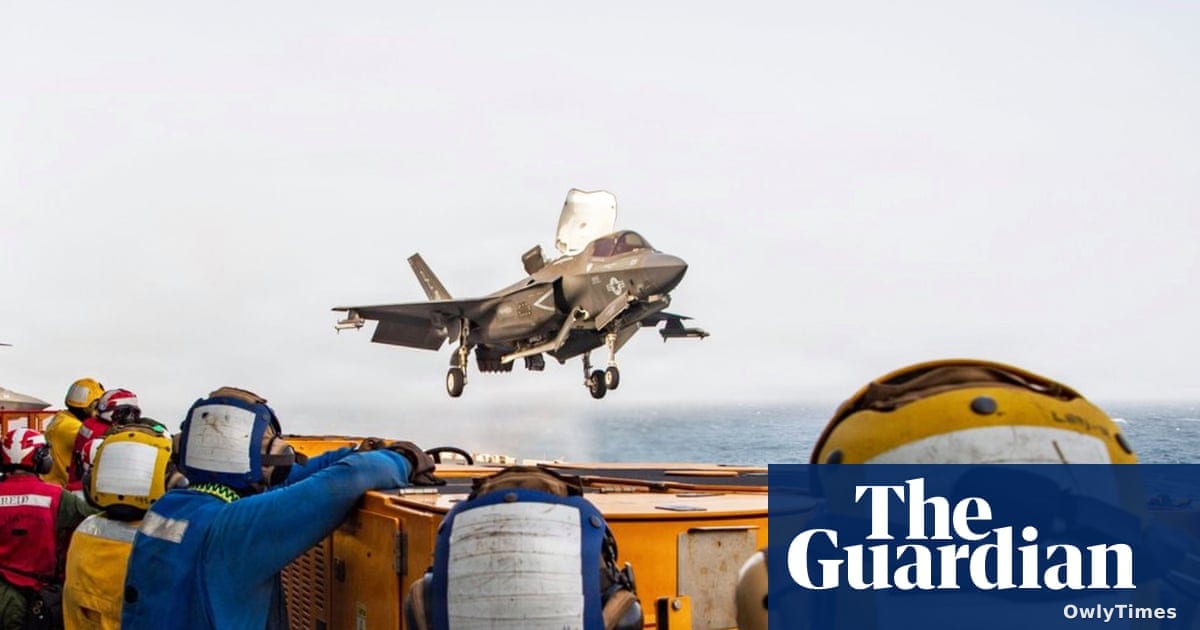
The parallel track of escalating military posturing – the joint Iran-Russia drills and the U.S. naval buildup – reveals the core strategic calculus. While publicly expressing hope for a deal with Iran, the administration is demonstrably preparing for the failure of negotiations, a failure that appears increasingly likely given Iran’s refusal to address U.S. and Israeli concerns regarding its missile program and regional proxies. This isn’t a contradiction, but a deliberate hedging of bets. The $901 billion U.S. trade deficit reported last year, despite Trump’s tariffs, underscores the economic constraints influencing these decisions; a prolonged conflict in the Middle East would further strain global markets and potentially destabilize energy supplies. Who benefits and who loses here is stark: U.S. defense contractors stand to gain from increased military spending, while the populations of Iran, Israel, and potentially the wider region face heightened risk.
The domestic political dimension is equally significant. The approval by the U.S. Commission of Fine Arts – comprised entirely of Trump’s appointees – to build a ballroom larger than the existing White House, replacing the East Wing, is a blatant assertion of executive power and a symbolic act of self-aggrandizement. This isn’t about architectural necessity; it’s about legacy. The speed with which the commission moved to final approval, bypassing standard procedures, speaks to the eagerness of Trump’s loyalists to facilitate his vision. This mirrors historical precedents, such as Louis XIV’s expansion of Versailles, designed to project absolute authority and immortalize his reign. The contrast between this focus on personal grandeur and the international crisis management is telling. It suggests a prioritization of domestic political capital over nuanced foreign policy.
The growing Democratic boycott of President Trump’s upcoming State of the Union address further illustrates the deepening polarization within American politics. The decision to counterprogram with rallies organized by groups like MeidasTouch and MoveOn isn’t merely symbolic protest; it’s a strategic attempt to deny Trump the legitimacy of a unified national audience. This tactic, employed by opposition parties throughout American history, aims to frame the administration as divisive and out of touch. The Democrats’ recruitment of popular content creators to win back Latino voters signals a recognition of the shifting demographics and the need to engage with younger, digitally-native audiences. This is a direct response to the perceived failures of traditional campaign strategies.
The confluence of these events – the peace initiative, the military buildup, the White House renovation, and the political boycott – reveals a complex interplay of power dynamics. Trump is simultaneously projecting strength, preparing for conflict, and solidifying his legacy. The question now isn’t if a crisis will emerge, but where it will manifest. Will the escalating tensions with Iran erupt into open warfare, forcing the Board of Peace into irrelevance? Or will the internal political pressures within the U.S. – fueled by the deepening partisan divide – become the primary constraint on Trump’s foreign policy ambitions? The next political chess move to watch is Secretary of State Marco Rubio’s upcoming meetings with European allies; their response to the $10 billion pledge and the escalating rhetoric towards Iran will reveal the extent to which Trump can maintain a united front, or whether his strategy is isolating the U.S. on the world stage.