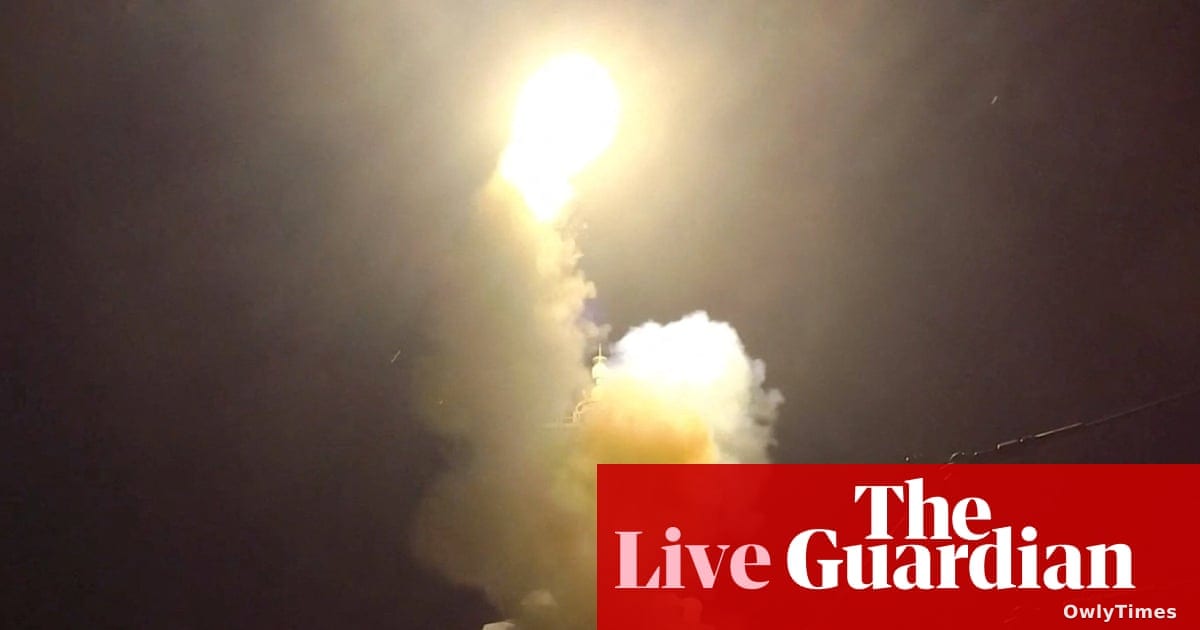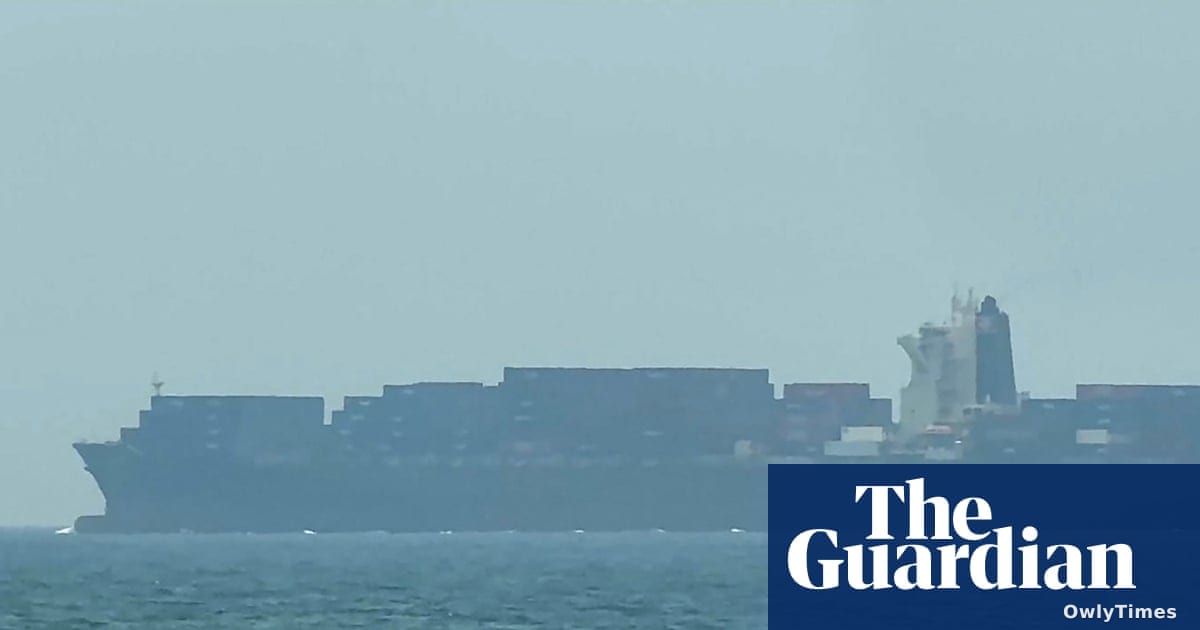

Brent crude prices surged more than 4% on Monday, hitting $78.96 per barrel, as the collapse of a month-old ceasefire between the United States and Iran sparked renewed fears over the stability of the Strait of Hormuz. The market volatility follows a weekend of intense military escalation, with US Central Command (Centcom) reporting strikes on 140 Iranian military targets—including drone sites and naval facilities—in retaliation for an Iranian attack on the Cypriot-flagged container ship MV GFS Galaxy.
Follow the money: while the conflict has reignited, the financial reaction reflects a market that has already begun to hedge against Middle Eastern supply disruptions. According to Euronews, Brent crude reached $78.96, while US benchmark crude climbed to $74.26. Al Jazeera notes that these prices remain roughly 9% higher than pre-conflict levels seen in February, though they are well below the wartime highs of $120. Analysts suggest that long-haul procurement shifts, which have reduced immediate reliance on the region, may prevent a return to those extreme peaks.
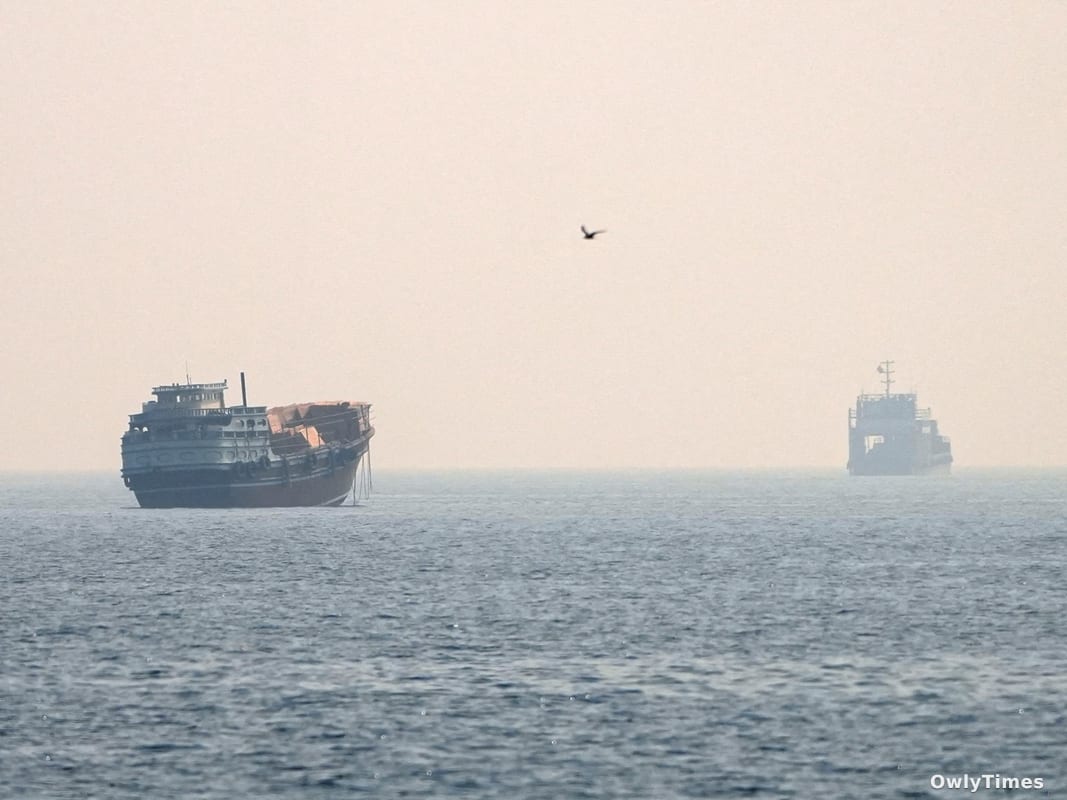
The operational reality in the Strait of Hormuz remains a point of intense dispute between the two powers. The Guardian reports that the Islamic Revolutionary Guard Corps (IRGC) declared the waterway closed following the US strikes. However, Centcom countered this on X, stating, "Iran does not control the strait. Traffic is flowing." Data from the maritime intelligence platform Windward, cited by Al Jazeera, illustrates the impact: traffic has dropped significantly, with only nine vessels tracked between Saturday evening and Sunday morning, a sharp decline from the 130 vessels that transited daily during peacetime.
The geopolitical friction has rippled into broader equity markets, complicating an already sensitive landscape for investors. Asian indices bore the brunt of the instability, with Euronews reporting a 5.6% decline in South Korea’s Kospi and a 1.1% drop in Japan’s Nikkei 225. The sell-off was particularly sharp for semiconductor giants, as SK Hynix shares slumped 10.6% in Seoul, a stark reversal from their recent high-profile debut. Al Jazeera reports an even steeper 9% decline for the Kospi, highlighting the variance in market data tracking as the situation evolves.
For your wallet, this means the near-term economic outlook is tied to both energy costs and the Federal Reserve’s interest rate path. As Euronews points out, higher oil prices and persistent inflation create a scenario where central banks may be forced to keep interest rates elevated to maintain control. Investors should monitor this week’s upcoming earnings reports from major US financial institutions—including JPMorgan Chase, Citigroup, and Goldman Sachs—as these will provide the next clear signal on whether corporate profit growth can withstand the dual pressures of geopolitical uncertainty and tighter monetary policy.