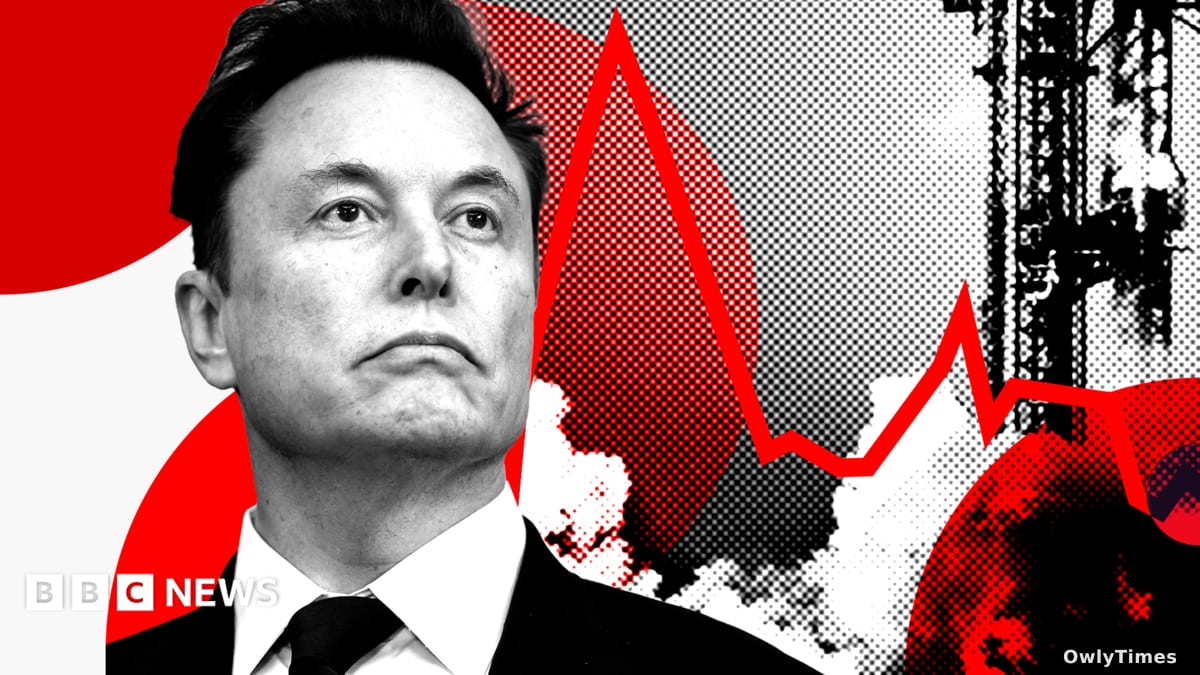

$2 trillion is the valuation threshold SpaceX crossed during its June 12, 2026, initial public offering, a debut that officially cemented the firm as the largest IPO in history. While the launch triggered a celebratory frenzy on Wall Street and made founder Elon Musk the world’s first trillionaire, the company’s first month as a public entity has been marked by significant volatility, leaving many retail investors holding shares currently valued well below their initial entry points.
According to the BBC, SpaceX priced its shares at $135, but momentum pushed the price to an intraday high of $225 during its first week. By the end of its first month, however, shares had retreated to approximately $145, representing an 18% decline from the first-day closing price of $160.95 and a 35% drop from its peak. CBS News corroborates the record-breaking nature of the event, noting the company’s valuation surged past the $2 trillion mark, though the outlet provides a broader context regarding the localized economic impact in South Texas, where housing prices in Brownsville have climbed nearly 75% since 2018 to reach an average of $196,920.
Follow the money, and the primary beneficiaries of this volatility appear to be the major investment banks. CNBC reports that firms like Goldman Sachs and Morgan Stanley not only collected hundreds of millions in underwriting fees but also potentially benefited from "soft dollars"—fees paid by hedge funds to secure allocations in oversubscribed offerings. KBW analyst Chris McGratty expects investment banking revenue for the sector to surge 26% year-over-year, driven largely by the SpaceX listing and a broader rebound in corporate market activity.
The investor sentiment shift reflects a transition from "AI hype" to operational reality. While early investors flocked to the stock viewing it as an artificial intelligence play—bolstered by the acquisition of xAI (recently renamed SpaceXAI)—the firm’s actual revenue streams remain tied to rocket launches and Starlink telecommunications. The BBC notes that SpaceX shares fell 8% on a single day following price cuts for Starlink services in Memphis, Tennessee. Keith Snyder, an analyst at CFRA, suggests the stock began to trade with the characteristics of a "meme stock," leading to his projection that the price could slide further toward $115 as performance metrics take center stage.
The divide in investor outcomes is stark. Samuel Kerr of Mergermarket points out that those who secured shares at the initial $135 listing price remain in the black, while retail investors who entered during the first five days of trading are "definitely underwater." This tension is expected to reach a boiling point in early August, when the company is anticipated to release its first public earnings report. This event will likely coincide with the expiration of the "lock-up" period, allowing employees to sell their shares on the open market for the first time.
For the individual investor, the takeaway is one of caution regarding entry timing. While Morgan Stanley has initiated coverage with a target price of $300, the upcoming earnings report will serve as the first true test of whether the company’s $18 billion in annual revenue can support its trillion-dollar valuation. Until the market receives more clarity on the company's growth trajectory during that August window, the current price fluctuations suggest that the initial IPO excitement has been replaced by a more sober assessment of the firm's fundamental business performance.