
The annual inflation rate cooled to 3.5% in June, a significant retreat from the 4.2% peak recorded in May, according to data released Tuesday by the Bureau of Labor Statistics (BLS). This deceleration, which saw consumer prices fall 0.4% on a seasonally adjusted monthly basis, represents the largest single-month decrease since April 2020, as reported by CNBC and confirmed by NBC News.
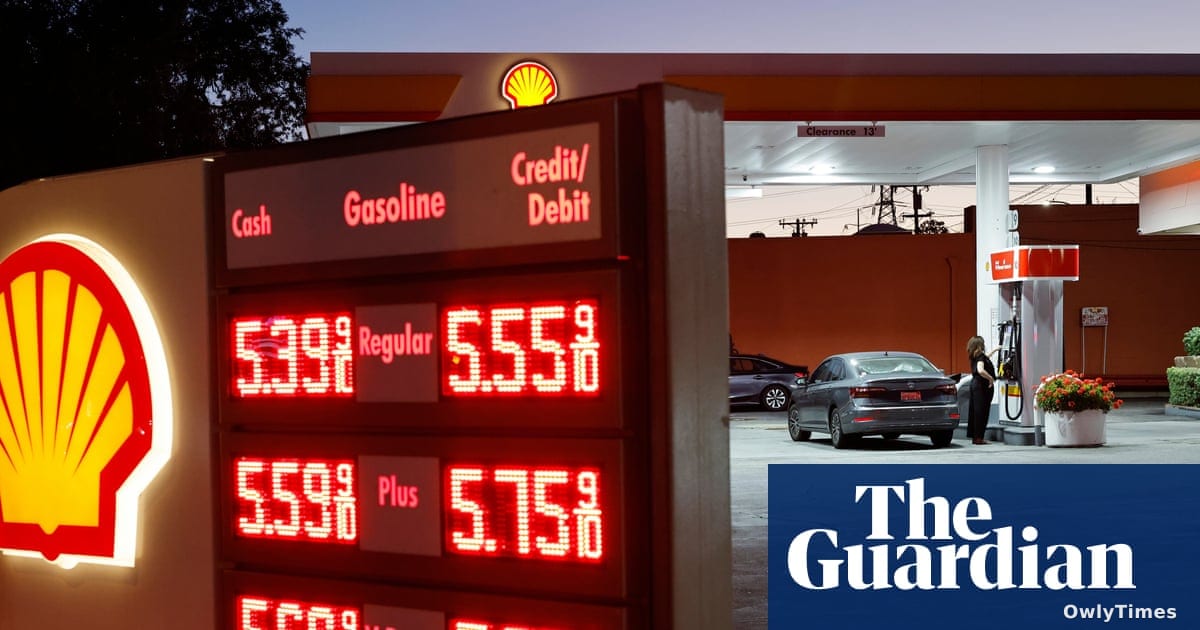
Follow the money: the primary driver of this cooling was a sharp contraction in energy costs, linked to a brief ceasefire between the U.S. and Iran. The energy index fell 5.7% in June, with gasoline prices tumbling 9.7% over the same period, per The Guardian. While CBS News notes that gasoline prices were down nearly 10%, CNBC highlights that despite this monthly reprieve, gasoline remains up 26.7% on an annual basis. Core inflation—which strips out volatile food and energy components—also showed signs of moderating, landing at 2.6% annually, down from 2.9% in May.
However, financial analysts warn that these figures are essentially a "rear-view mirror" reflection of a geopolitical environment that has already shifted. Renewed hostilities in the Strait of Hormuz have triggered an immediate reversal in energy markets. The Guardian reports that Brent crude prices hit $80 on Monday after dipping to $67 earlier in July, while CBS News cites a higher figure, noting Brent reached a one-month high of more than $86 a barrel. This discrepancy in reporting reflects the high-velocity volatility of current oil trading as markets react to President Donald Trump’s stated intent to reinstate a blockade of Iranian ports and impose a 20% fee on cargo transiting the region.
The Federal Reserve now faces a narrowing window for policy calibration. While CME Group’s FedWatch tool suggests an 86% probability that the central bank will hold rates steady at its upcoming meeting on July 29, the inflationary risks remain persistent. CNBC notes that traders are still pricing in potential hikes for September, even as the odds for such moves have moderated from previous days. New Fed Chair Kevin Warsh, in testimony before Congress, emphasized that the committee has “no tolerance for persistently elevated inflation,” signaling that the central bank is prepared to act if energy price shocks bleed into the broader economy.
Beyond the energy sector, structural price pressures are emerging from the rapid buildout of artificial intelligence infrastructure. NBC News reports that the "computer software and accessories" category surged 2.3% in June, with prices in that index soaring 17.4% over the last year. As tech giants scramble for memory and storage components, the resulting supply-chain bottlenecks are forcing price increases on consumer electronics, with Apple cited as having raised prices on flagship products last month.
What this means for your wallet: while the June data provides a temporary reprieve for household budgets, the underlying trend is precarious. With energy prices beginning to climb again, the relief felt at the gas pump—where the national average reached $3.87 per gallon—is likely to be short-lived. Investors should monitor the July 29 Federal Reserve decision as the primary trigger for market volatility, as the central bank balances the need for economic growth against a commitment to return inflation to its 2% target.