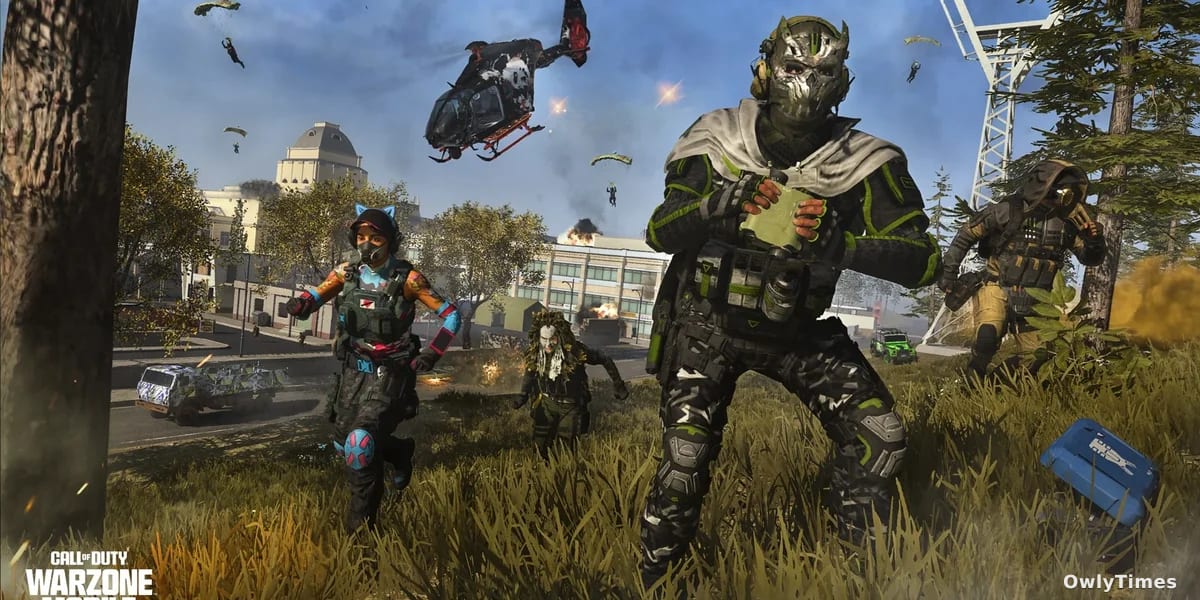

Is the mobile gaming gold rush officially over? Activision’s decision to pull the plug on Call of Duty: Warzone Mobile less than a year after its launch isn’t just a setback for fans of the franchise; it’s a flashing warning sign for the entire industry. The narrative being spun is about failing to attract “mobile-first” players, but the real story here isn’t a niche audience problem – it’s the brutal realization that simply porting console experiences to phones doesn’t guarantee success, and that the mobile market is far more discerning than Silicon Valley often assumes.
A $1.4 Million Launch Doesn't Guarantee Longevity
The numbers initially looked promising. Warzone Mobile raked in $1.4 million in its first four days, according to estimates from AppMagic. That’s not chump change. But consider this: that figure represents a tiny fraction of the revenue generated by the core Call of Duty franchise on PC and consoles. It’s a drop in the bucket compared to the $2 billion+ Activision Blizzard reported in net revenue for the third quarter of 2023 alone. The quick removal from app stores last May, followed by the announcement of server shutdown on April 17, 2026, speaks volumes. Activision isn’t tweaking a struggling product; they’re performing a strategic retreat. They’ve publicly stated the game “did not meet expectations,” a carefully worded admission that translates to: we spent a lot of money and got very little in return.
See the original gamesindustry.biz story for the full account.
The Illusion of Easy Mobile Wins
For years, the prevailing wisdom in gaming has been “mobile is where the growth is.” And it’s true, the global mobile games market is massive, projected to reach $138.2 billion in 2024. But that market is dominated by a handful of titles – Honor of Kings, PUBG Mobile, Genshin Impact – that weren’t built as afterthoughts to existing franchises. They were designed from the ground up for the mobile experience, understanding the unique constraints and opportunities of the platform. Warzone Mobile attempted to replicate a complex, graphically demanding console shooter on devices with vastly different processing power and input methods. It was, essentially, asking players to accept a compromised experience. The result? Existing Call of Duty players dabbled, but the mobile-first audience – the one Activision desperately needed to capture – stayed away in droves.
What Happens to the Accounts and the Investment?
The shutdown also raises questions about the fate of player data and the significant investment Activision made in the game’s development. Guest accounts will become inaccessible, a frustrating outcome for casual players who didn’t bother linking their accounts. While Activision assures us that existing Activision accounts will remain functional across other titles, the loss of progress in Warzone Mobile feels like a slap in the face. More importantly, the failure highlights the risk of chasing trends without a clear understanding of the target audience. This isn’t just about Call of Duty; it’s about the broader strategy of major publishers attempting to leverage established IPs in the mobile space. The cost of failure – both financial and reputational – is substantial.
The Future of Mobile Gaming is Niche and Native
The demise of Warzone Mobile isn’t an indictment of mobile gaming itself. It’s a correction. The era of simply shrinking console games for phones is coming to an end. The future of mobile gaming lies in titles designed specifically for the platform, focusing on accessibility, social features, and innovative gameplay loops. Expect to see more developers prioritizing smaller, more focused experiences, and less emphasis on replicating AAA console blockbusters. The next big mobile hit won’t be a port; it will be something entirely new. Watch closely for a surge in hyper-casual games with surprisingly deep mechanics, and a renewed focus on mobile-first esports titles. The question isn’t if mobile gaming will continue to grow, but how – and the answer will likely look very different from the strategies we’ve seen over the past year.