
Is the Tour de France a prestigious athletic contest or a crumbling legacy struggling to keep pace with a changing climate? As the world’s most famous cycling race barrels toward its conclusion, the reality is that the event is being reshaped by the very environment it traverses. The real story here isn't the crowning of a new champion—it's the fraying of a logistical infrastructure that can no longer guarantee the safety or the scale of its own spectacle.
A Race Shortened by Smoke
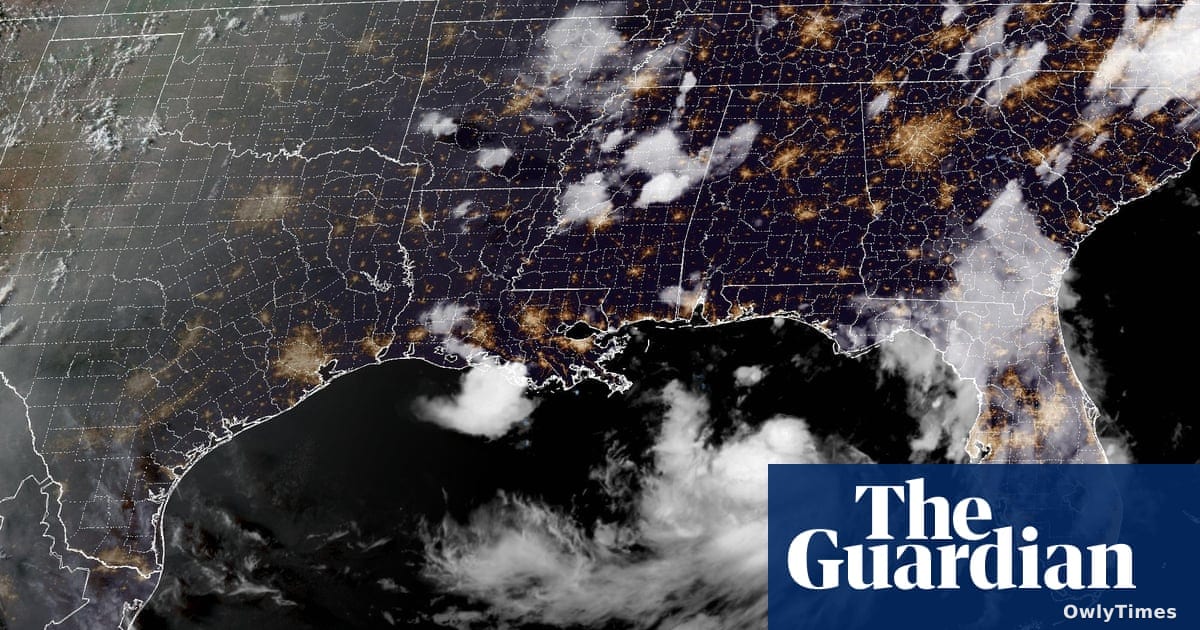
The most pressing news is that the final stage of the Tour de France, scheduled for this Sunday, has been significantly truncated. According to ABC News, the distance will be slashed to divert critical internal security forces to combat devastating wildfires currently raging in the country’s southwest. The Guardian reports that these fires, concentrated around the Arcachon lagoon and Biscarrosse, have already consumed more than 36,000 hectares of forest.
The race organizers, ASO, confirmed in a joint statement with prefecture police that the stage is being cut from its original 133km down to 89km, as noted by the BBC. This is not an isolated incident; it marks the third time this year that the race has been forced to adapt due to either heatwaves or fire-related interventions. For the average fan, this means the traditional Champs-Élysées sprint will look fundamentally different, incorporating circuits of the Butte Montmartre that favor raw power over standard breakaway tactics.
The Human Cost of Hype
While the wildfires dictate the finish, the race's internal culture has been equally volatile. The event has been plagued by dangerous fan behavior, leading to a heated debate over crowd control. The Guardian details a harrowing incident where rider Einer Rubio was forced to abandon the race after a collision involving a team car, which had been pushed to brake suddenly by an unruly spectator.
The physical toll is mounting. The BBC reports that Sepp Kuss, who had been leading the penultimate stage, suffered two separate crashes on the descent toward Alpe d'Huez, narrowly avoiding a sheer drop thanks to safety netting. The race director, Thierry Gouvenou, has publicly questioned whether modern vehicle technology—specifically braking sensors—might be contributing to these accidents, though this analysis is contested by the raw, chaotic reality of fans interfering with moving vehicles.
The Coronation of a Giant
Amidst this turbulence, Tadej Pogacar remains the inevitable headline. He enters the final stage with an overall lead of six minutes and 26 seconds over Remco Evenepoel, according to both The Guardian and the BBC. Should he cross the finish line in Paris without a catastrophic crash, the 27-year-old will secure his fifth title, joining the ranks of legends like Eddy Merckx and Miguel Indurain.
However, the victory feels distinctively modern. Pogacar’s performance during the "queen" stage—where he famously pivoted from leader to teammate, pacing Isaac del Toro up the final climb—signals a shift in how these superstars view their own longevity. The sport is increasingly defined by its fragility, from the unpredictability of the French forests to the behavior of the spectators on the roadside. Watch the post-race security reviews closely; they will likely dictate whether the 2027 route remains viable in its current format or if the Tour must move toward a more contained, stadium-style model to survive the decade.