
The surge in fundraising for state attorney general races isn’t about legal philosophy – it’s a calculated power play. With $57 million combined raised by Republican and Democratic organizations in preparation for the 2026 midterms, the contests for these offices are rapidly becoming proxy battles for national control, and increasingly, launching pads for higher office. The money isn’t simply fueling campaigns; it’s buying influence over the legal landscape, positioning attorneys general as key players in everything from corporate regulation to the implementation of federal policy, and ultimately, shaping the future of national political leadership.
The escalating importance of the attorney general’s office stems from a fundamental shift in how American political disputes are resolved. As James Tierney, a former Maine attorney general and Harvard lecturer, observes, “Because we try to solve so many of our problems with lawsuits, the office of attorney general has become more important.” This isn’t merely a matter of increased litigation; it’s a recognition that state attorneys general now wield significant power to challenge federal actions, protect state interests, and shape policy through legal action. This dynamic is particularly acute in an era of heightened partisan polarization and frequent clashes between states and the federal government.
Who benefits and who loses from this trend? Corporations facing potential regulatory scrutiny, particularly in sectors like technology and tobacco, are significant contributors, seeking to preemptively influence the legal environment. Advocacy networks and ideological groups are also heavily invested, aiming to advance their agendas through state-level enforcement. Conversely, citizens and businesses could lose out if legal decisions are perceived as politically motivated rather than based on sound legal principles. The increasing politicization of the office raises concerns about the impartiality of justice and the potential for abuse of power. The data reveals a clear pattern: the $29 million raised by Republican organizations surpasses the $28 million collected by Democrats, though the latter represents a doubling of their usual fundraising at this stage in the election cycle – a sign of recognizing the stakes.
The attorney general’s office has long served as a proving ground for aspiring governors. Ten current governors previously held the position, including three elected in 2024, demonstrating its value as a stepping stone. The 2024 presidential campaign further cemented this trend, with Kamala Harris considering several former attorneys general – Andy Beshear of Kentucky, Roy Cooper of North Carolina, and Josh Shapiro of Pennsylvania – as potential running mates. This isn’t accidental. The visibility and legal expertise gained as attorney general translate well to broader political appeal. Adam Piper, executive director of the Republican Attorneys General Association, succinctly captures the shift: “The AGs used to be the underdogs in the races for top-of-the-ballot offices. Now, they’re the favorite in them.”
Drawn from newsday.com.
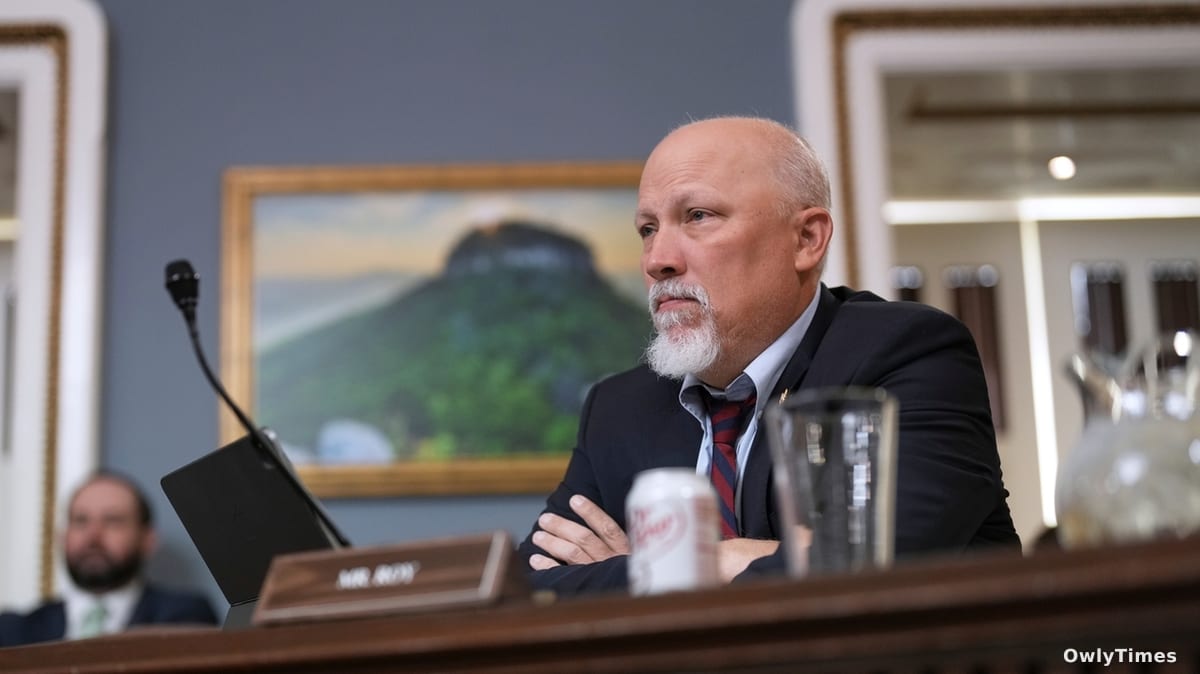
The Texas attorney general race exemplifies this dynamic. The runoff between U.S. Rep. Chip Roy and State Sen. Mayes Middleton for the Republican nomination isn’t just a contest for the state’s top legal position; it’s a battle for the future direction of Texas law enforcement and a potential springboard to higher office. The current officeholder, Ken Paxton, is simultaneously vying for a U.S. Senate seat, further highlighting the office’s political potential. The rhetoric from both candidates – Roy’s emphasis on being “one of one” versus “one of 435” in Congress, and Middleton’s pledge to investigate financier George Soros – underscores the increasingly politicized nature of the race. This mirrors a historical pattern: the attorney general’s office, historically focused on consumer protection and legal counsel, is now frequently used to pursue politically charged investigations and advance partisan agendas.
The current legal battles between Democratic attorneys general and the Donald Trump administration provide a stark illustration of the office’s power as a check on federal authority. Democratic officials have filed over 80 lawsuits against the administration, winning favorable rulings in the majority of cases, according to the Progressive State Leaders Committee. This echoes the historical use of state attorneys general to challenge federal overreach, dating back to the early 20th century when states challenged federal antitrust laws. In Arizona, Kris Mayes’s aggressive legal challenges have reportedly saved the state $1.5 billion, demonstrating the tangible benefits of an attorney general willing to confront the federal government. However, her actions have also drawn criticism from Republican candidates like Rodney Glassman, who accuse her of partisan “clickbait.”
Looking ahead, the political chess move to watch is the outcome of the Arizona attorney general race. Kris Mayes won her seat by a mere 280 votes in 2022, making her particularly vulnerable. A Republican victory, potentially with Rodney Glassman or Warren Peterson at the helm, could significantly alter the legal landscape in Arizona and accelerate Trump’s efforts to pursue claims of voter fraud. The question isn’t simply who will win, but whether the office will revert to a more traditionally non-partisan role or continue to be a focal point of national political conflict. The answer will reveal much about the future of state-federal relations and the evolving role of the attorney general in American politics.