
Is the future of geopolitical commentary now crowdsourced from luxury hotel owners? That’s the unsettling question emerging from the increasingly public pronouncements of Khalaf Ahmad Al Habtoor, a 77-year-old Emirati billionaire whose opinions on international affairs are gaining traction – and raising eyebrows. While the world typically looks to seasoned diplomats or think tanks for analysis of conflicts like the one unfolding between Israel and Iran, Al Habtoor’s blunt assessments, delivered via X (formerly Twitter) and interviews with publications like The Washington Post, are capturing attention, and not necessarily for the right reasons. The real story here isn't about a wealthy businessman offering his opinion – it’s about the erosion of traditional authority and the rise of personality-driven foreign policy discourse, fueled by social media and a hunger for unfiltered (if not necessarily informed) takes.
From Tennis Courts to Twitter Tirades
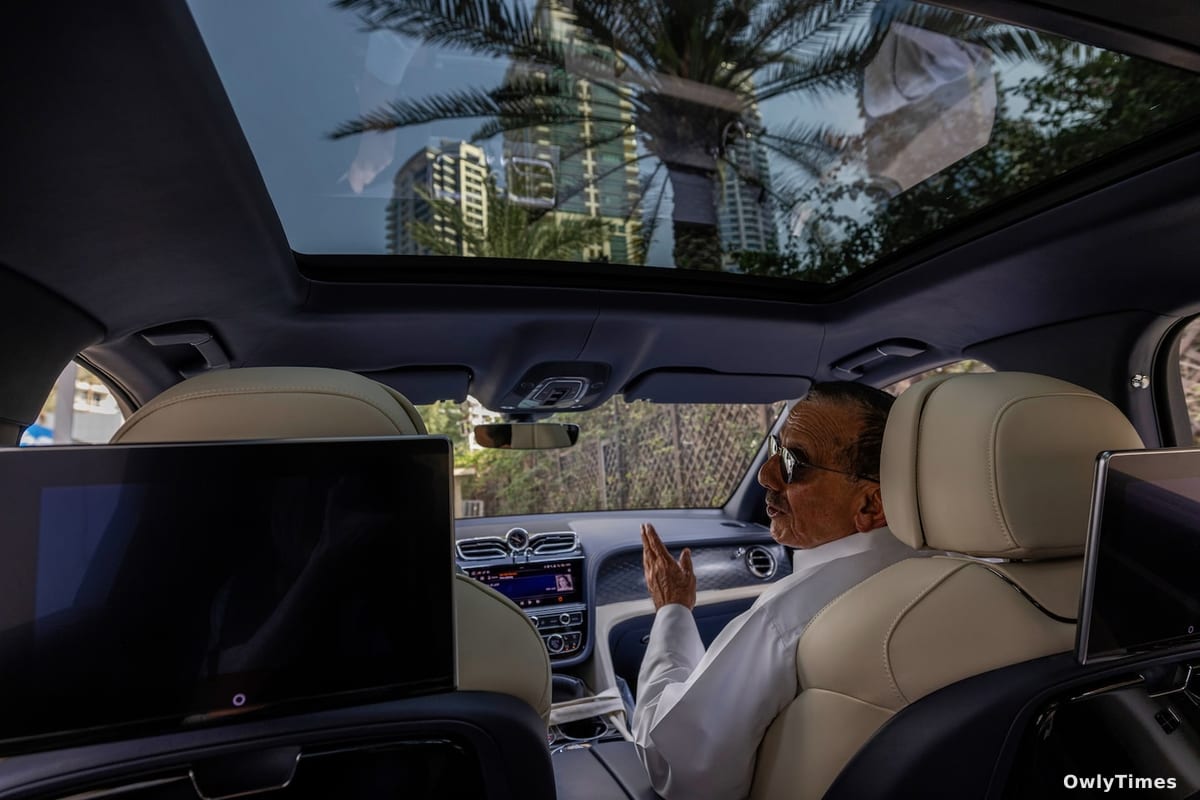
Al Habtoor, who maintains a rigorous daily tennis routine – at least an hour, according to The Washington Post – built his fortune on real estate, specifically luxury hotels. His Al Habtoor City complex in Dubai is a testament to his success, a glittering waterfront development housing three of his five-star properties. This isn’t a man disconnected from the levers of power; he is a lever of power, a significant economic player in the region. But his recent foray into public commentary, particularly his criticisms of both Donald Trump and Iran following recent escalations, feels less like informed analysis and more like a wealthy individual speaking his mind with the confidence that comes from immense privilege. He initially lambasted the former U.S. president on X for not considering “collateral damage,” a statement he later walked back somewhat in an interview, stating, “I blame Trump, but I blame the Iranians more.” This initial outburst, and the subsequent clarification, highlights a key problem: the lack of nuance and accountability inherent in the platform.
Original reporting: The Washington Post.
The Algorithm Rewards Outrage, Not Expertise
The speed and reach of X are undeniably powerful. Al Habtoor’s posts bypass traditional media gatekeepers, allowing him to directly address a global audience. But the algorithm doesn’t reward careful consideration or deep understanding; it rewards engagement, and often, that means outrage. A provocative statement, even one later softened, is far more likely to go viral than a meticulously researched policy paper. This dynamic isn’t unique to Al Habtoor, of course. It’s a systemic issue with social media, but it’s particularly concerning when applied to matters of international security. The implication is that a billionaire’s gut feeling, amplified by an algorithm, can carry as much weight – or even more – than the considered opinions of diplomats and intelligence analysts. Consider the average user’s news consumption: a headline glimpsed on a social feed versus a lengthy article. Which is more likely to shape their understanding?
Dubai's Role as a New Hub for Unfiltered Opinion
The location of these pronouncements is also significant. Dubai, and the UAE more broadly, has increasingly positioned itself as a hub for business and, increasingly, for a different kind of discourse. It’s a place where traditional diplomatic norms are often less rigid, and where wealth allows for a level of outspokenness that might be less common elsewhere. Al Habtoor’s willingness to publicly criticize both American and Iranian leadership reflects this environment. But it also raises questions about the UAE’s own foreign policy objectives and whether these public statements align with, or subtly undermine, official diplomatic efforts. His personal assistant’s “smile and grimace” as he spoke to The Washington Post suggests even those closest to him recognize the potential for controversy. The UAE’s economic interests are deeply intertwined with regional stability, and a billionaire openly assigning blame could have unintended consequences.
The Future of Foreign Policy: Influencers and Investments
We’re entering an era where foreign policy isn’t just shaped by governments and institutions, but by individuals with large platforms and even larger bank accounts. The lines between business, politics, and public opinion are blurring, and the traditional sources of authority are being challenged. The fact that a hotel magnate’s tweets are being reported on by The Washington Post is a symptom of this shift. What happens when more billionaires, or even influential social media personalities, decide to weigh in on complex geopolitical issues? Will we see a further fragmentation of the public sphere, where truth becomes increasingly subjective and informed debate is drowned out by noise? I predict that within the next 18 months, we’ll see a dedicated “geopolitical influencer” emerge – someone who actively cultivates a following based on their takes on international affairs, and who will likely be courted by governments and corporations seeking to shape public opinion. The question isn’t whether this will happen, but how effectively we can navigate a world where foreign policy is increasingly shaped by algorithms and the whims of the wealthy.