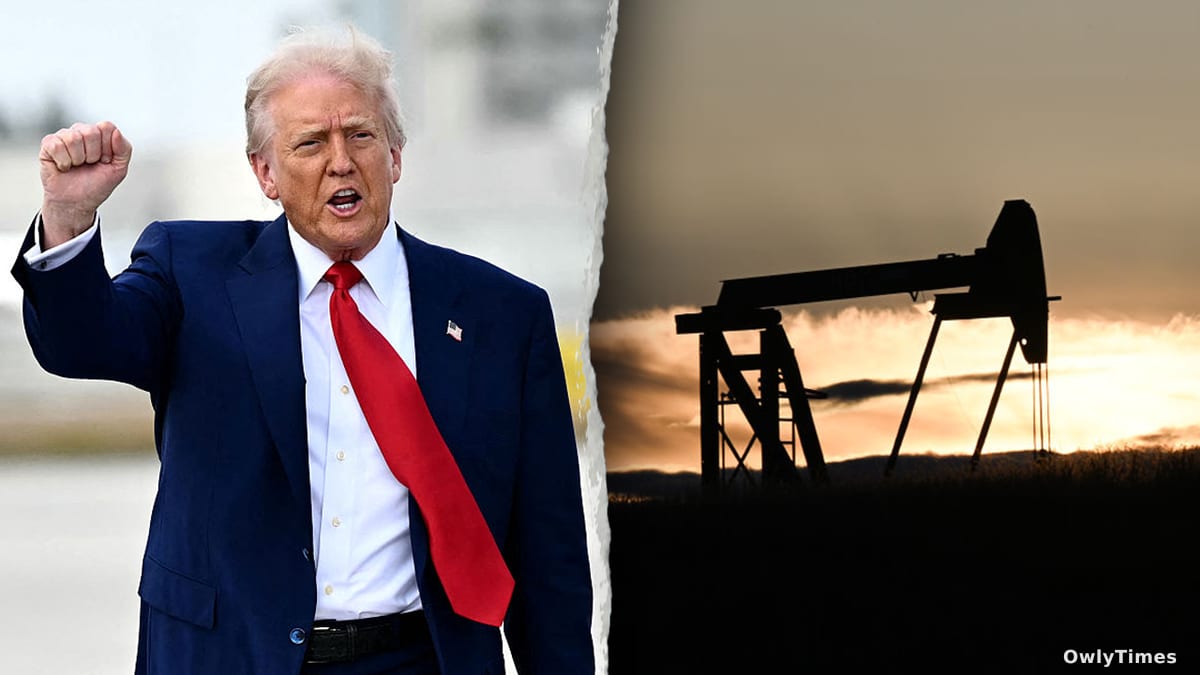

$928 million. That’s the sum now flowing away from stalled offshore wind projects and directly into U.S. oil, natural gas, and liquefied natural gas (LNG) production, a shift orchestrated by the Trump Department of the Interior and energy giant TotalEnergies. The agreement, unveiled Monday at the CERAWeek conference, isn’t simply a reversal of policy; it’s a calculated realignment of capital predicated on a fundamental disagreement over energy reliability and national security – and a clear signal of the administration’s commitment to “energy dominance.” Follow the money, and the story isn’t about wind versus oil, but about a strategic bet on securing U.S. energy independence and leveraging that position on the global stage.
A Reversal Driven by Risk Assessment
The core of the deal involves TotalEnergies abandoning its offshore wind leases in the Carolina Long Bay Area and the New York Bight – areas secured from the Biden administration in 2022 – and reinvesting $928 million. This isn’t a simple cancellation; the U.S. will reimburse TotalEnergies for these investments, effectively underwriting the pivot. Secretary Doug Burgum framed the move as eliminating “ideological subsidies” for “unreliable and costly” wind power, but the department’s stated rationale extends beyond cost. The pause on large-scale offshore wind projects was explicitly linked to “national security risks,” a vague but potent justification that suggests concerns beyond economic viability. This contrasts sharply with the previous administration’s emphasis on rapidly expanding renewable energy capacity, even in the face of logistical and supply chain challenges. TotalEnergies’ stock (TTE) saw a modest 0.44% increase following the announcement, closing at $89.14, indicating investor confidence in the strategic shift.
Drawn from foxbusiness.com.
The LNG Play and Geopolitical Implications
The $928 million isn’t being redirected to just any fossil fuel project. A significant portion – specifically, investment in a liquefied natural gas plant in Brownsville, Texas – points to a deliberate strategy of increasing U.S. LNG exports. This is where the geopolitical implications become clear. TotalEnergies CEO Patrick Pouyanné explicitly stated the investment will help supply Europe with “much-needed” U.S. LNG. With ongoing instability in Eastern Europe and a volatile global energy market, the U.S. is positioning itself as a reliable alternative to Russian gas, effectively wielding energy as a tool of foreign policy. Furthermore, Pouyanné highlighted the role of this investment in supporting the burgeoning U.S. data center industry, a sector with rapidly increasing energy demands. This isn’t simply about fueling homes; it’s about powering the infrastructure of the future.
Beyond Cost: The Reliability Argument
The administration’s emphasis on “reliability” is a direct response to concerns about the intermittency of renewable energy sources. While wind power capacity has grown, its ability to consistently meet baseload demand remains a challenge. The argument isn’t that wind energy has no place in the energy mix, but that relying too heavily on it creates vulnerabilities. The Department of the Interior’s statement directly links the reinvestment to “increase baseload and grid reliability,” suggesting a prioritization of consistent power supply over rapid decarbonization. This stance aligns with a broader narrative questioning the economic and practical feasibility of a swift transition to renewable energy, particularly given the current state of grid infrastructure. U.S. Attorney General Pam Bondi echoed this sentiment, predicting the investment would benefit “hardworking American consumers” by lowering monthly bills.
What This Means for Your Wallet
This deal isn’t just about energy policy; it’s about energy prices. While the immediate impact on consumer costs is difficult to quantify, the long-term implications are significant. Increased domestic oil and gas production, coupled with expanded LNG exports, could put downward pressure on global energy prices. However, this benefit is contingent on several factors, including global demand, geopolitical events, and the pace of development of the new infrastructure. The key question for consumers is whether the increased supply of fossil fuels will outweigh the potential for price volatility driven by international conflicts or supply disruptions. Watch for the development of the Brownsville LNG plant – its completion timeline and production capacity will be a critical indicator of whether this shift in investment translates into tangible savings at the pump and on your energy bill.