
$6.9 Billion Deficit Signals Alberta’s Fiscal Tightrope Walk
A C$9.4 billion ($6.9 billion USD) deficit projection – a figure representing a dramatic reversal for the once debt-free province of Alberta – isn’t simply a budgetary shortfall; it’s a flashing warning sign about the precariousness of resource-dependent economies facing demographic shifts. Alberta’s Finance Minister Nate Horner framed the news as “a tough pill to swallow,” but the underlying arithmetic reveals a province caught between declining oil revenue and escalating costs driven by unprecedented population growth. This isn’t a cyclical downturn; it’s a structural challenge demanding difficult choices, and the proposed solutions – referendum questions targeting immigration – risk exacerbating the very problems they aim to solve.
The Oil Price Rollercoaster and Alberta’s Budgetary Dependence
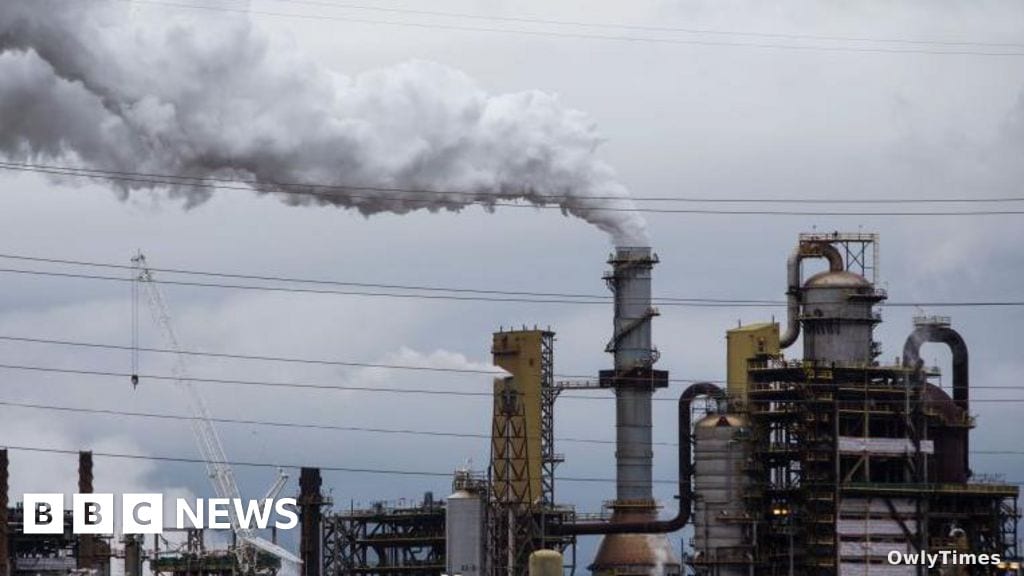
The core of Alberta’s fiscal woes lies in its deep entanglement with the global oil market. The province projects the West Texas Intermediate benchmark will average $60.50 per barrel in the coming year, a significant drop from $74.34 just two years prior. This decline is critical because Alberta requires oil prices between $74 and $77 per barrel simply to balance its budget. Follow the money: a $14-$17 per barrel shortfall translates directly into billions lost in revenue, forcing the government to confront the reality that its historical reliance on oil royalties is no longer a sustainable fiscal model. This isn’t new – Alberta’s economy has always been subject to oil price volatility – but the scale of the current deficit, coupled with other pressures, is unprecedented. The province’s historical boom-and-bust cycles are now colliding with a new variable: rapid population growth.
This piece references the the BBC report.
Population Surge Strains Public Services, Fuels Political Tension
While a growing population is often seen as a sign of economic vitality, in Alberta’s case, it’s adding fuel to the fire. Horner acknowledged a “dramatic” increase in population, straining public services and the housing market, though he didn’t quantify the exact contribution of population growth to the deficit. This vagueness is telling. The province is simultaneously experiencing an influx of residents – attracted by economic opportunity and a relatively low cost of living – and a growing chorus of voices, led by Premier Danielle Smith, blaming newcomers for the financial strain. This narrative culminated in last week’s announcement of nine referendum questions, including proposals to limit access to healthcare and education for those without permanent immigration status.
The political implications are significant. Opposition leader Naheed Nenshi of the New Democratic Party directly accused Smith of “blaming and scapegoating” immigrants, framing the referendums as a distraction from the government’s fiscal mismanagement. This isn’t simply a partisan dispute; it’s a fundamental disagreement about the source of the problem and the appropriate response. The proposed solutions – restricting access to services for newcomers – are likely to create further strain on social safety nets and potentially deter future immigration, ultimately hindering long-term economic growth.
The Specter of Separation and the Search for Fiscal Flexibility
Adding another layer of complexity is the growing separatist movement within Alberta. While support for outright secession from Canada remains relatively low, proponents are actively gathering signatures to force a referendum on the issue. This movement, fueled by a sense of alienation from Ottawa and a desire for greater control over its resources, is gaining traction amidst the current economic and political turmoil. Smith herself has alluded to Alberta having “more in common with America than the rest of Canada,” a statement that underscores the province’s growing sense of disconnect.
Facing this multifaceted crisis, Horner floated the possibility of introducing a provincial sales tax – a move that would fundamentally alter Alberta’s economic landscape. He framed it as a trade-off: sacrificing a long-held tax advantage to “get off the roller-coaster” of oil price volatility. This suggests a recognition that the current fiscal model is unsustainable, but also a willingness to consider politically unpopular options.
What this means for your wallet: Albertans should prepare for a period of fiscal austerity, potentially including cuts to public services and the introduction of new taxes. More broadly, this situation serves as a cautionary tale for other resource-dependent economies: diversification is no longer a luxury, it’s a necessity. The key question now is whether Alberta will address its structural fiscal challenges with pragmatic solutions or succumb to divisive rhetoric and short-sighted policies. Will the province prioritize long-term economic stability, or will it double down on policies that risk further alienating its population and hindering its future growth?