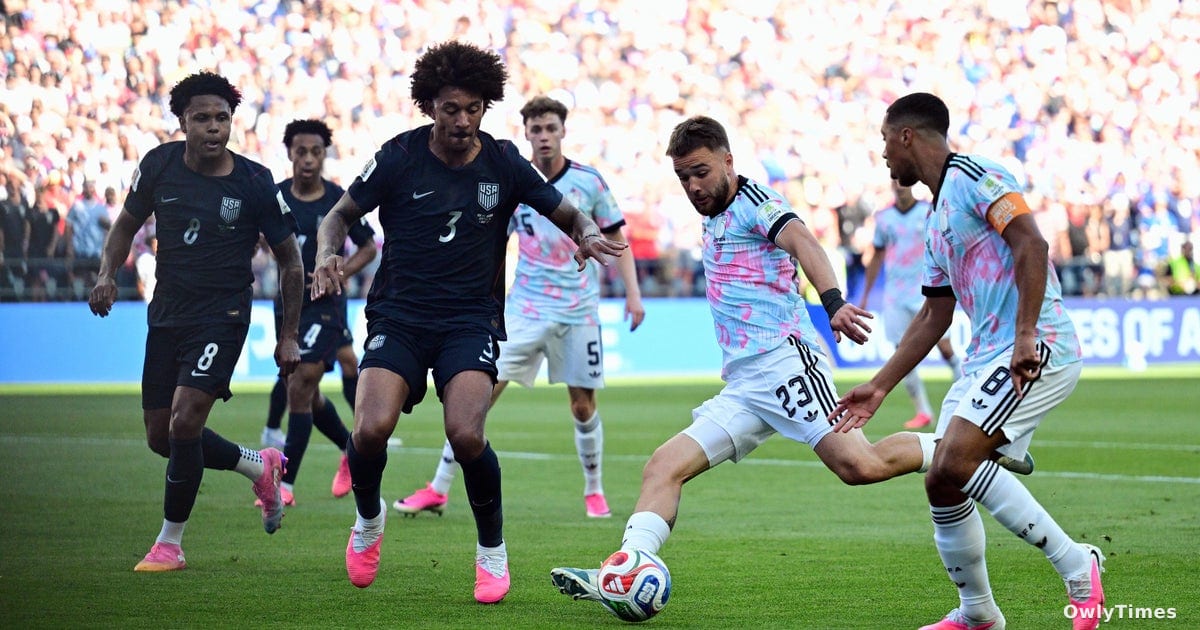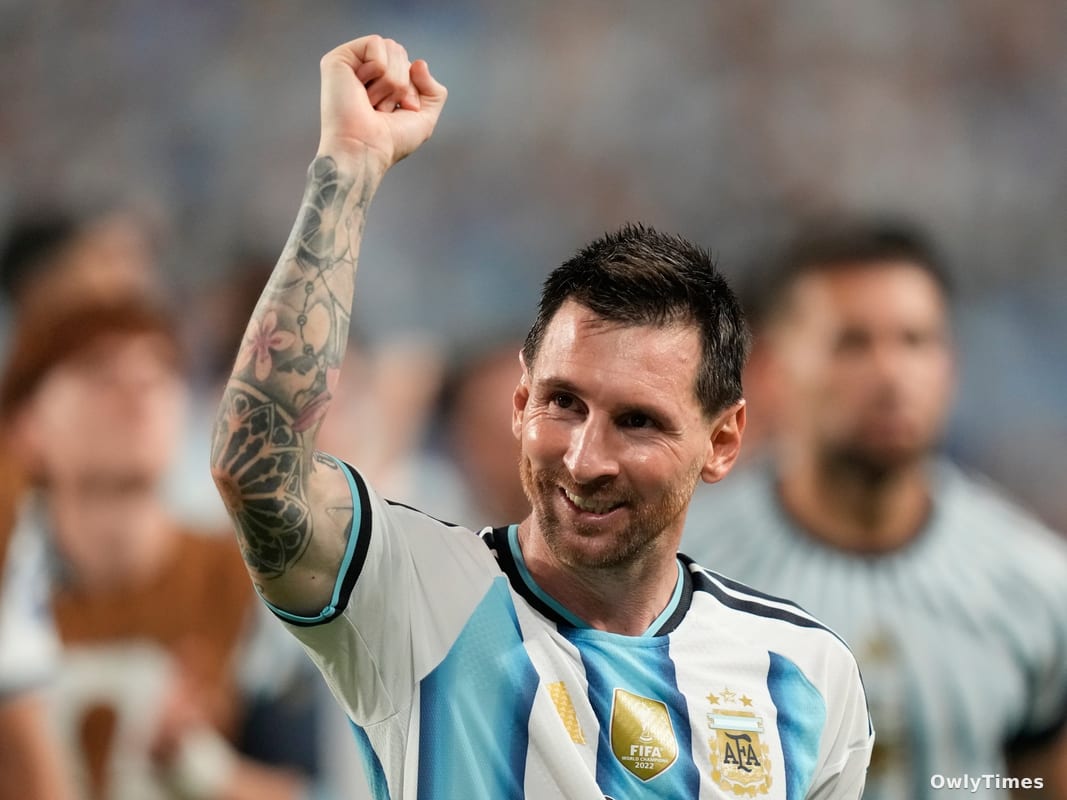

The heavy, humid air in Atlanta today feels charged with more than just summer heat; it carries the weight of a tournament reaching its fever pitch. As Argentina prepares to face Egypt in a pivotal round-of-16 clash at Atlanta Stadium, the world of football finds itself caught between the closing of one iconic chapter and the aggressive, politically charged opening of another.
Beyond the tactical maneuvering on the pitch, the tournament has become a lightning rod for global discourse. The drama intensified significantly following France’s victory over Paraguay, when French captain Kylian Mbappé publicly condemned Paraguayan senator Celeste Amarilla. According to Al Jazeera, Amarilla had directed a racist, slur-filled tirade at Mbappé on X, labeling him a "colonised Cameroonian." Mbappé, in a sharp rebuke, called the senator "despicable" and "unworthy" of her position, marking a rare moment where the sport’s biggest stars are using their platform to directly challenge political figures in real-time.
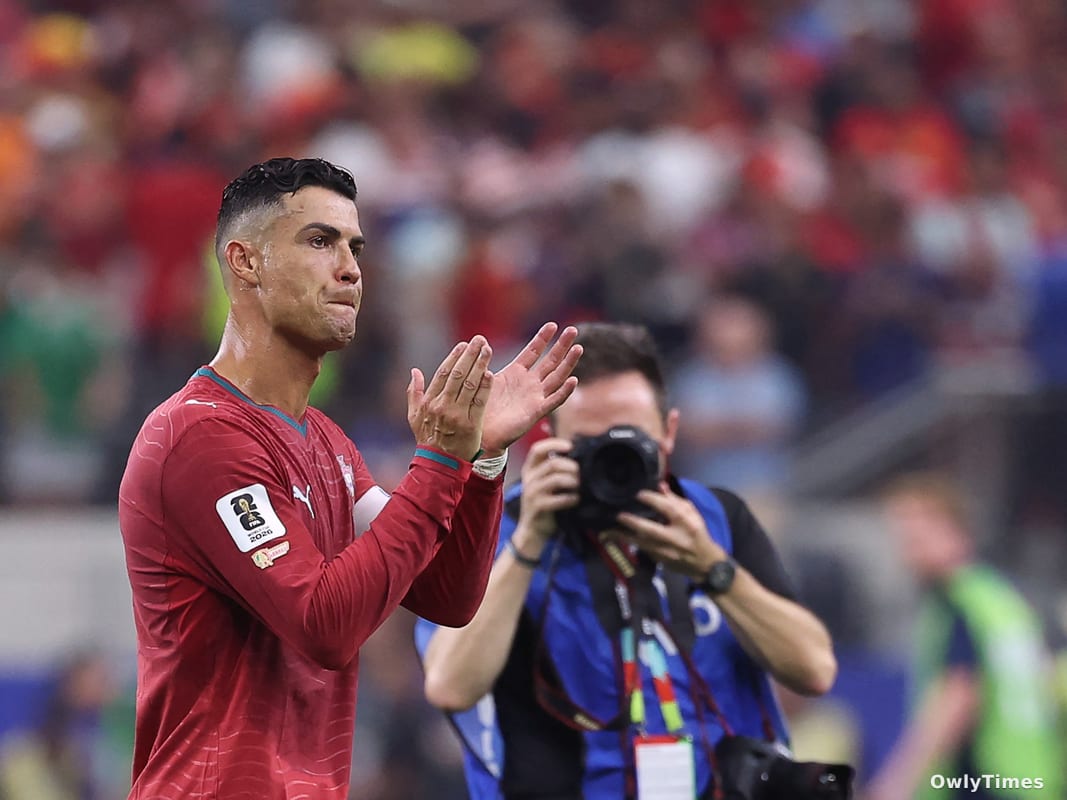
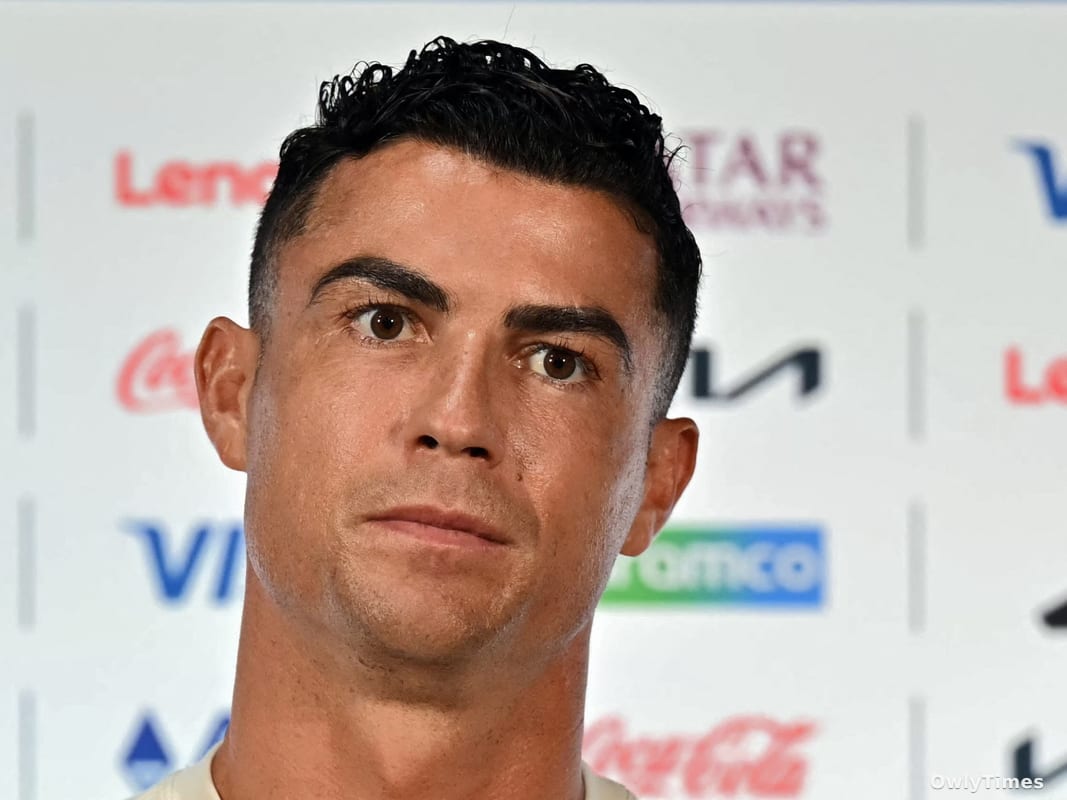
This cultural collision echoes the emotional volatility of the past week, which saw the definitive end of an era for Portuguese football. The BBC reported that Cristiano Ronaldo’s World Cup dreams were extinguished in a heartbreaking 1-0 defeat to Spain, courtesy of a stoppage-time goal from Mikel Merino. Confirming the emotional toll, Al Jazeera noted that the 41-year-old icon admitted this was his final appearance on the sport’s biggest stage, stating, "I’m sad to be leaving the World Cup like this," while leaving his future in international play intentionally vague.
As Ronaldo exits, the focus shifts to the looming duel between Lionel Messi and Mohamed Salah. The match in Atlanta is being billed as a clash of titans, though The Guardian highlights that Egypt’s national team director, Ibrahim Hassan, is pushing back against the "Messi-centric" narrative. "They might have Messi, but we have Mohamed Salah – and we have 26 Messis of our own," Hassan told the press. The stakes are immense: Al Jazeera reports that Argentina enters as a heavy favorite with a 69.1 percent chance of victory, while Egypt, aiming for their first-ever quarterfinal appearance, holds a 12.3 percent probability of an upset.
The intensity of the tournament has also bled into the political sphere, with Egypt’s head coach Hossam Hassan using his platform to make a passionate statement regarding the situation in Palestine. During a Monday press conference, Hassan argued that the global response to civilian suffering should never be normalized, a sentiment that drew applause from journalists in attendance, according to Al Jazeera. These moments highlight how the World Cup has evolved into a space where athletes are no longer just competitors, but active participants in the global conversation.
As the industry grapples with these high-stakes cultural moments, the industry's future remains in flux. The Guardian reports that Salah, whose Liverpool contract expired on July 1, is navigating the uncertainty of his career, with speculation mounting regarding a potential move to the Saudi Pro League. With the tournament’s knockout stages now in full swing, the final outcome of these matches will likely dictate the legacy of a generation of players, signaling a definitive shift in the landscape of global football.