
Beyond the Bus: Reaching for Equity in STEM Education
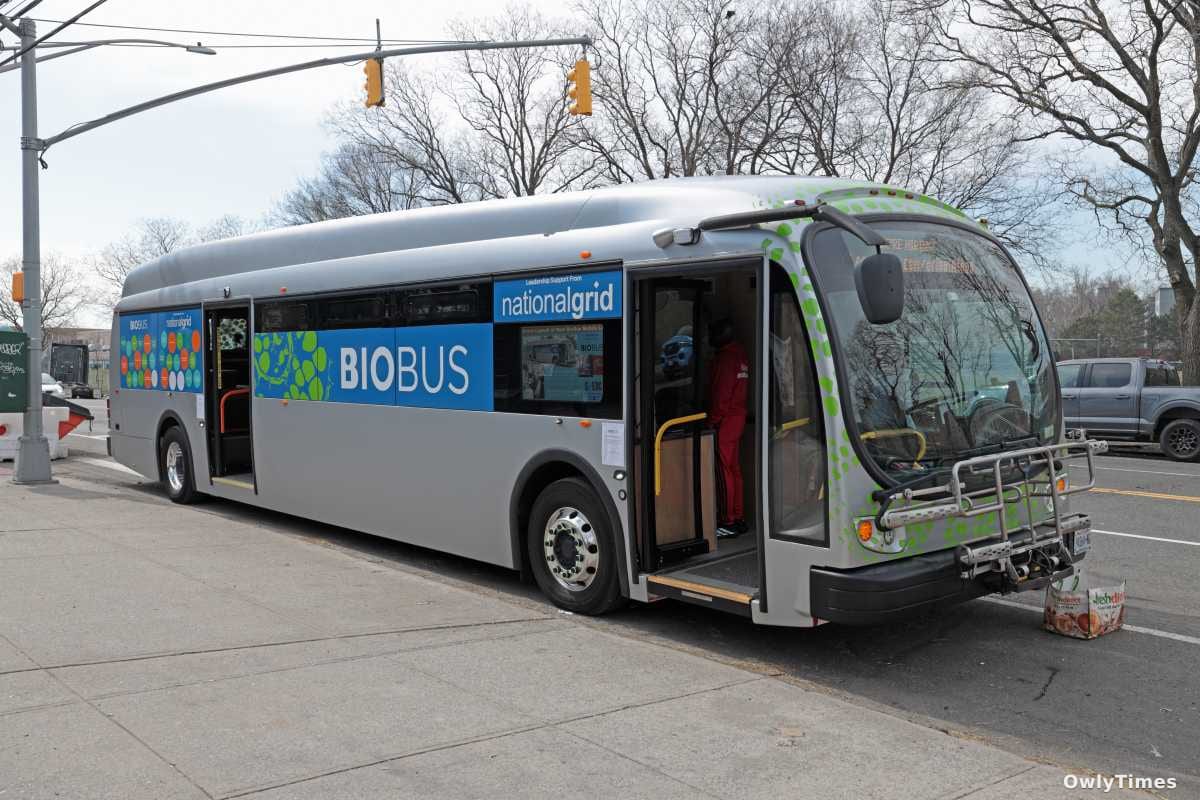
The unveiling of a new electric mobile science lab might seem like a straightforward expansion for a non-profit like BioBus, but it arrives at a critical juncture for science education in New York City. While headlines celebrate increased access to STEM for students, the deeper story is about proactively dismantling systemic barriers – a challenge that requires more than just new equipment, but a deliberate focus on where that equipment goes and who gets to use it. BioBus’s latest initiative isn’t simply about bringing science to students; it’s about addressing a long-standing inequity in who has the opportunity to do science.
Founded in 2008 by Latasha Wright, Ph.D., and Ben Dubin-Thaler, Ph.D., BioBus has steadily grown from a single retrofitted school bus to a fleet of three, now including this fully electric model launched at Wiz Kids Books Before Basketball in Baychester. The organization’s core mission – delivering hands-on, lab-based science education directly to K-12 students – remains constant. Equipped with lab-grade microscopes and led by working scientists, BioBus programs have already reached over 443,000 students across more than 1,000 schools and community organizations. This is a significant number, but context is crucial: roughly two-thirds of the schools served are in low-income communities, highlighting a pre-existing need that BioBus is attempting to meet. The addition of an ADA-accessible bus further broadens that reach, addressing another layer of exclusion often overlooked in STEM outreach.
Drawn from bxtimes.com.
The launch event itself underscored the political and economic support for this approach. Attended by State Senators Landon Dais and Nathalia Fernandez, alongside representatives from the New York City Economic Development Corporation (NYCEDC) and various assemblymembers, the event signaled a multi-pronged commitment to bolstering STEM education. Viq Pervaaz, senior vice president of innovation at NYCEDC, articulated this commitment, stating the city’s goal is to become “a destination of choice for science and innovation globally,” but crucially adding that this ambition “includes making sure that that access to innovation includes everyone.” This isn’t merely rhetoric; NYCEDC has already invested over $700,000 in BioBus, with plans for an additional $400,000 over the next two years. This level of sustained funding is notable, particularly given the often-fragmented nature of STEM education initiatives.
However, investment alone doesn’t guarantee equitable outcomes. The success of BioBus, and similar programs, hinges on a nuanced understanding of the obstacles facing students in underserved communities. Wright herself emphasized this, stating BioBus aims to demonstrate “that science is for everybody, and that it makes science accessible,” focusing on fostering “curiosity, asking questions, and thinking about things that you don’t know.” This emphasis on process – the joy of discovery – is vital. Too often, STEM education focuses on rote memorization and standardized testing, which can be particularly alienating for students who lack prior exposure or feel unsupported in traditional classroom settings. BioBus’s model, by contrast, prioritizes hands-on experimentation and mentorship, offering paid internships and research opportunities alongside the core lab sessions.
The Challenge of Sustained Impact
Despite the promising expansion, limitations to consider remain. While BioBus reaches a substantial number of students, its impact is still geographically concentrated, primarily in the Bronx, Harlem, and the Lower East Side of New York City, and Boston. Scaling this model to other underserved areas – both within and beyond New York – presents logistical and financial challenges. Furthermore, a single lab visit, however engaging, is unlikely to fundamentally alter a student’s trajectory. Sustained engagement, through after-school programs, year-long internships, and ongoing mentorship, is crucial for fostering long-term interest and skill development. The question becomes: how can BioBus leverage its mobile lab model to create a more continuous and integrated STEM learning experience for students?
Another potential limitation lies in the evaluation of program effectiveness. While BioBus tracks the number of students reached, more rigorous data is needed to assess the long-term impact of its programs on student outcomes – such as enrollment in advanced STEM courses, pursuit of STEM careers, and overall academic achievement. Establishing clear metrics and conducting longitudinal studies will be essential for demonstrating the value of BioBus’s approach and attracting further investment. It’s not enough to simply do good work; the organization must also be able to prove its impact.
Looking Ahead: Building a Pipeline, Not Just a Program
The next crucial research step for BioBus, and for the field of equitable STEM education more broadly, is to investigate the specific factors that contribute to student success in these mobile lab settings. What types of activities are most engaging? What role do the working scientists play as mentors? How can the program be tailored to meet the diverse needs of students from different backgrounds? Answering these questions will require a collaborative effort, involving educators, researchers, and community stakeholders.
Perhaps the most important question to watch for is whether the increased visibility and investment spurred by initiatives like BioBus’s electric lab will translate into systemic changes within the broader education system. Will schools adopt more hands-on, inquiry-based learning approaches? Will teacher training programs prioritize STEM pedagogy? Will funding be allocated to support equitable access to STEM resources for all students? The success of BioBus isn’t just about the bus itself; it’s about whether it can catalyze a broader movement towards a more inclusive and equitable future for STEM education.