
The Tightrope Walk of California Water: New Research Attempts to Balance Ecology and Supply
For decades, California’s water management has operated under a fundamental tension: the state’s booming population and agricultural needs versus the imperative to protect its native fish and wildlife. Recent headlines often frame this as a zero-sum game, pitting environmental concerns against economic stability. However, the narrative is far more nuanced, and a new report from the State Water Contractors (SWC) highlights a significant, if often overlooked, effort to bridge that divide through rigorous scientific investigation. The SWC’s 2024-25 Annual Science Report, released today, details progress on six studies funded with over $4 million from their Science Program, launched in 2023. While the report itself doesn’t solve the water crisis, its value lies in shifting the conversation from political rhetoric to data-driven decision-making – a crucial step, especially as climate change intensifies existing pressures. It’s important to note that this research is funded by the very entities that utilize California’s water resources, a dynamic that necessitates careful consideration of potential biases, which we’ll address later.
Beyond Salmon: A Broader Look at Aquatic Ecosystem Health
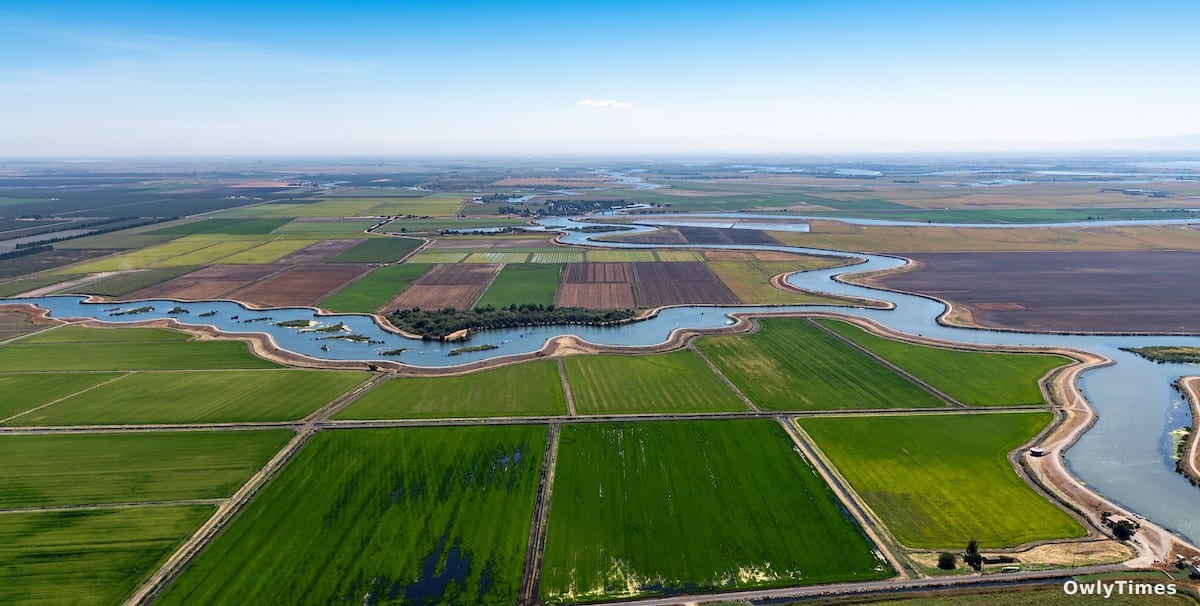
The six studies aren’t solely focused on the iconic salmon populations that frequently dominate water policy debates. Instead, they represent a broader attempt to understand the health of California’s aquatic ecosystems as a whole. One project, for example, is investigating the impact of water temperature management strategies on multiple fish species, including Delta Smelt and Shasta Bioclade White Sturgeon, both listed as threatened or endangered. Initial findings suggest that simply focusing on cold-water releases to benefit salmon may inadvertently harm these other sensitive species, highlighting the complexity of ecosystem-level interventions. Another study is examining the role of floodplain connectivity – the ability of rivers to access their natural floodplains – in supporting juvenile fish survival. Preliminary data indicates that even limited reconnection of floodplains can significantly increase rearing habitat availability, potentially offsetting some of the negative impacts of dam infrastructure. This is a particularly compelling finding, as floodplain restoration is often viewed as a costly and logistically challenging undertaking.
Reporting from mavensnotebook.com informs this analysis.
What the Studies Actually Show – and Don’t Show – About Water Flows
Much of the public discussion surrounding California water revolves around the volume of water released from reservoirs and diverted for agricultural and urban use. The SWC-funded research doesn’t offer a simple answer to the question of “how much water do fish need?” Instead, the studies are refining when and how that water is delivered. One project is developing a predictive model to forecast the timing of peak spring runoff, allowing water managers to better synchronize releases with the life cycles of key fish species. This is a departure from the historically reactive approach to water management, which often relies on responding to conditions after they’ve already impacted fish populations. However, it’s crucial to understand that these are predictive models, and their accuracy is dependent on the quality of the data used and the assumptions built into the model. The report emphasizes that these tools are intended to inform decision-making, not to replace the need for adaptive management and ongoing monitoring. A common misinterpretation of this type of research is to assume it will unlock a “sweet spot” for water allocation, guaranteeing both ecological health and reliable supply; the reality is far more iterative and uncertain.
Limitations to Consider: Funding Source and Scalability
The SWC’s investment in scientific research is commendable, but it’s essential to acknowledge the inherent limitations stemming from the funding source. The SWC represents the interests of water agencies that rely on the state’s water resources, and while they’ve committed to independent scientific review of these projects, the potential for bias – even unintentional – remains. For example, studies that demonstrate the feasibility of maintaining water supply while protecting fish are more likely to receive continued funding and public support. Furthermore, the findings from these studies, while promising, need to be evaluated for their scalability. A successful floodplain restoration project on a small tributary may not translate directly to a larger river system with more complex ecological and hydrological characteristics. The $4 million investment, while substantial, represents a small fraction of the overall state budget for water management, and the long-term sustainability of this research program is uncertain.
The Next Steps: From Modeling to Implementation and Beyond
The SWC report isn’t a final answer, but a roadmap for future research and, hopefully, more informed water management practices. The next phase of these studies will focus on translating the initial findings into actionable recommendations for water managers. This includes refining the predictive models, conducting pilot projects to test the effectiveness of different management strategies, and developing monitoring protocols to track the long-term impacts of these interventions. A critical question moving forward is how these scientific findings will be integrated into the regulatory framework governing California water. Will state and federal agencies be willing to adopt a more adaptive and data-driven approach to water management, even if it means challenging existing policies and practices? And, perhaps more importantly, will the public – and the political stakeholders representing them – embrace the inherent uncertainty and complexity of managing a vital resource in a changing climate? We should watch closely for how the California Department of Water Resources incorporates these findings into its upcoming updates to the State Water Project’s environmental impact reports, scheduled for release in late 2025. The decisions made then will reveal whether this investment in science truly translates into a more sustainable future for California’s water.