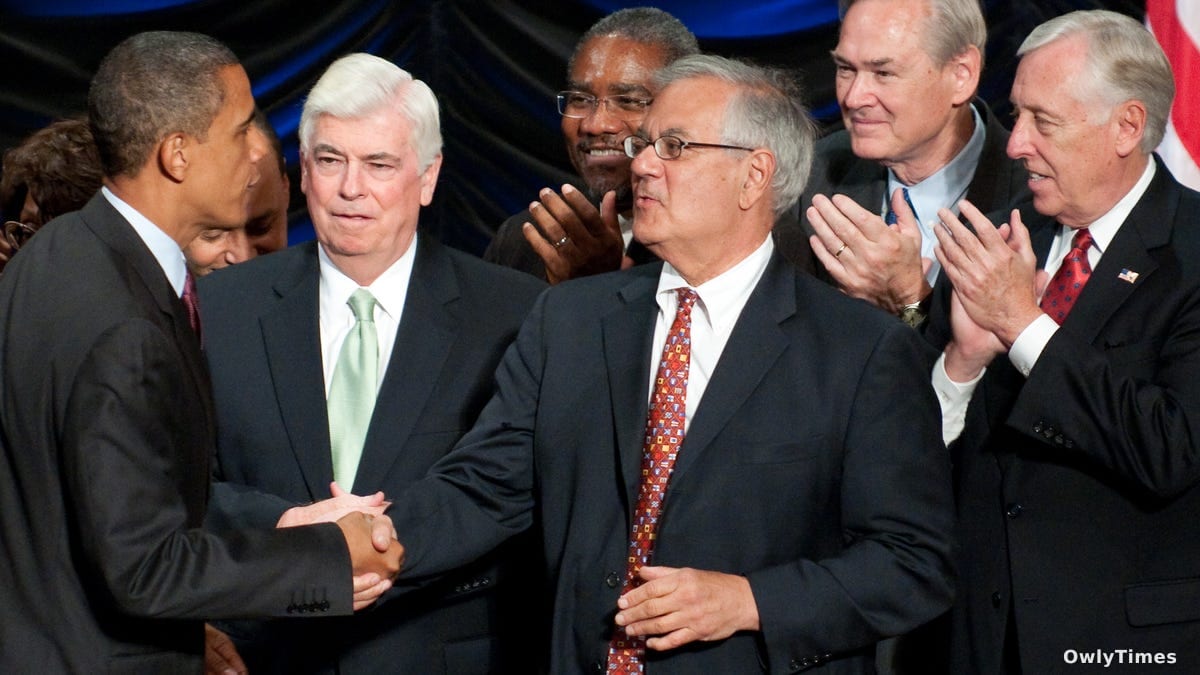

Six million foreclosures and 10% unemployment defined the landscape of the 2008 financial crisis, a period marked by a 50% collapse in stock values and a paralyzed lending system. In the aftermath of what many observers consider a largely preventable catastrophe, the legislative response was the Dodd–Frank Wall Street Reform and Consumer Protection Act. Signed into law in July 2010 after more than a year of drafting, the act sought to insulate taxpayers from future bank bailouts and establish a new baseline for consumer protection. As the regulatory environment shifts under the current administration, the legacy of this landmark legislation—and its ongoing erosion—remains the central tension in American finance.
The Regulatory Gap and the CFPB’s Role
The core mechanism for protecting individual borrowers under Dodd-Frank was the creation of the Consumer Financial Protection Bureau (CFPB). According to Pamela Foohey, a professor at the University of Georgia School of Law, the bureau was designed to address a fundamental flaw in the pre-2008 landscape: the absence of a federal entity tasked with scrutinizing everyday financial products. The CFPB’s function is not purely punitive; it serves as a conduit for consumer feedback, forcing financial institutions to address grievances directly.
The scale of this activity is significant. In 2025, the bureau received more than 6.6 million complaints, forwarding over 5.9 million to companies for review. The operational efficiency of this system is notable, with 97% of those complaints routed to companies within a single day. Furthermore, the pressure exerted by this portal has yielded results, with firms providing a timely response to more than 99% of the inquiries sent to them.
Capital Requirements and the Industry Pushback
While the CFPB focused on consumer interaction, Dodd-Frank addressed systemic bank stability by mandating higher capital reserves. Dennis Kelleher, co-founder and CEO of the watchdog group Better Markets, likens these requirements to a down payment on a home, intended to ensure banks can absorb their own losses during downturns. However, Kelleher points to a critical failure in the law’s execution: the delegation of rule-writing. By leaving 400 specific rules to various regulators, the law provided an opening for financial institutions to utilize lobbyists and lawyers to weaken the implementation process. This tactical shift, Kelleher argues, is why the law has seen limited success, highlighted by the collapse of three mid-sized banks in 2023.
The Erosion of Oversight
The current regulatory trajectory suggests a departure from the post-2008 status quo. President Trump indicated in February 2025 that his administration intends to dismantle parts of the agency, citing a desire to eliminate waste and fraud. Simultaneously, the Securities and Exchange Commission has adopted a lighter regulatory stance toward cryptocurrency firms and has moved to allow publicly traded companies to report earnings on a semi-annual basis rather than quarterly.
For investors and consumers, the takeaway is a shift toward a more opaque market environment. As regulatory enforcement wanes, the burden of due diligence is returning to the individual. Whether the financial system can maintain stability without the guardrails envisioned in 2010 will be dictated by the next reading of the CFPB’s complaint volume and the ongoing implementation of the administration's deregulatory agenda.