
The Strategic Silence: DHS Outreach Reveals a 2026 Pressure Campaign
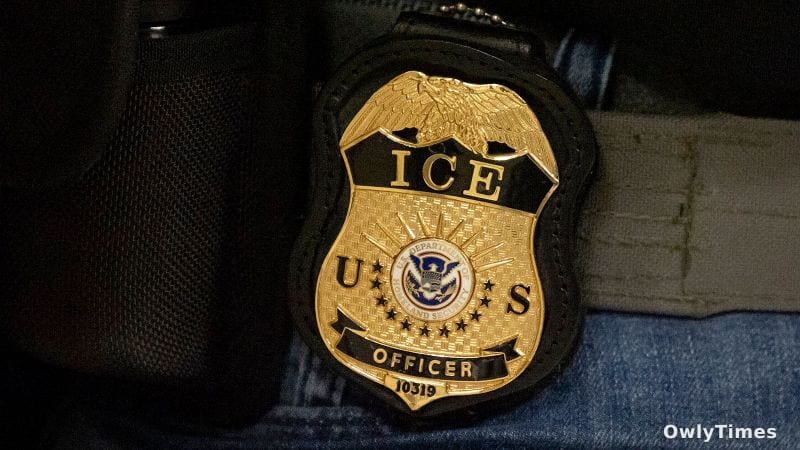
The assurance from a Donald Trump appointee at the Department of Homeland Security that Immigration and Customs Enforcement (ICE) agents won’t be deployed to polling places in 2026 isn’t a gesture of reassurance – it’s a calculated move in a long game to establish leverage over state election administration. Wednesday’s call between Heather Honey, a DHS official with known ties to the election denial movement, and state secretaries of state wasn’t about collaboration; it was about signaling a willingness to not interfere, contingent on state compliance with federal data requests. The strategic calculus is clear: offer a concession on a highly visible point of contention (ICE at polls) while simultaneously pushing for expanded federal access to voter data, effectively normalizing a level of oversight states have historically resisted.
This article draws on reporting from CNN.
The immediate context is the recent surge in ICE enforcement activity in cities like Minneapolis, which understandably raised alarms among election officials about potential voter intimidation. This isn’t a new tactic. Throughout American history, the threat – or deployment – of federal force near polling places has been used to suppress turnout, particularly among minority communities. The 1870s saw federal troops deployed to the South ostensibly to protect Black voters, but often with the effect of intimidating them. The difference now is the ambiguity: the administration isn’t explicitly threatening deployment, but the very possibility, coupled with Honey’s background, creates a chilling effect. Who benefits? The administration gains a pressure point to influence election procedures. Who loses? States, and potentially voters, lose control over the integrity of their own electoral processes.
The most telling moment of the call, according to sources, was the silence from federal officials when Maine Secretary of State Shenna Bellows requested a public affirmation of state sovereignty over election administration. This isn’t merely a procedural point. Trump himself has repeatedly called for increased federal control over elections, including advocating for “nationalizing the voting” just last month. The lack of a response isn’t an oversight; it’s a deliberate refusal to address a core concern of state officials. It signals a willingness to allow the narrative of federal oversight to linger, even if not immediately enforced. This echoes the tactics employed during the Civil Rights era, where federal intervention, while ultimately aimed at protecting voting rights, was often framed as a necessary override of state resistance.
The push to have states vet their voter rolls using the Systematic Alien Verification for Equivalents (SAVE) database is equally revealing. While presented as a measure to ensure voter roll accuracy, SAVE is known to generate a high number of false positives, potentially disenfranchising eligible citizens. Bellows rightly identified this as a key concern, and the fact that Honey “struggled with questions about how long the federal government retained voter registration data” only deepens the suspicion. The administration is attempting to expand its data collection capabilities under the guise of election integrity, creating a database that could be used for future enforcement actions, regardless of the 2026 pledge regarding polling places. This mirrors the post-9/11 expansion of surveillance programs, where security concerns were used to justify broad data collection with limited oversight.
The timing of this outreach – over a year after states began preparing for the 2026 midterms, as one source pointed out – is not accidental. It suggests a belated attempt to establish a foothold in election administration, and a recognition that direct interference carries significant political risk. The administration is opting for a more subtle approach: leveraging data access and the threat of future intervention to shape election procedures to its advantage. The routine nature of these calls since 2016, prompted by Russian interference, is now weaponized. The established framework of federal-state cooperation is being exploited by an administration that has openly questioned the legitimacy of past elections.
The political chess move to watch next isn’t whether ICE agents appear at polling places in 2026 – it’s whether states will resist the pressure to adopt the SAVE system and share voter data. The level of state compliance will determine the extent to which the federal government can exert control over future elections, and whether the pledge of non-interference at polling places is merely a temporary tactical maneuver.