
If you think the digital battlefield is limited to hackers in hoodies or state-sponsored code exploits, you’re missing the shift from silent data breaches to loud, physical violence on British soil. The real story here isn't just about diplomatic posturing between London and Tehran; it’s about a fundamental pivot in how Western democracies are forced to handle "thugs-for-hire" acting as proxies for foreign regimes.
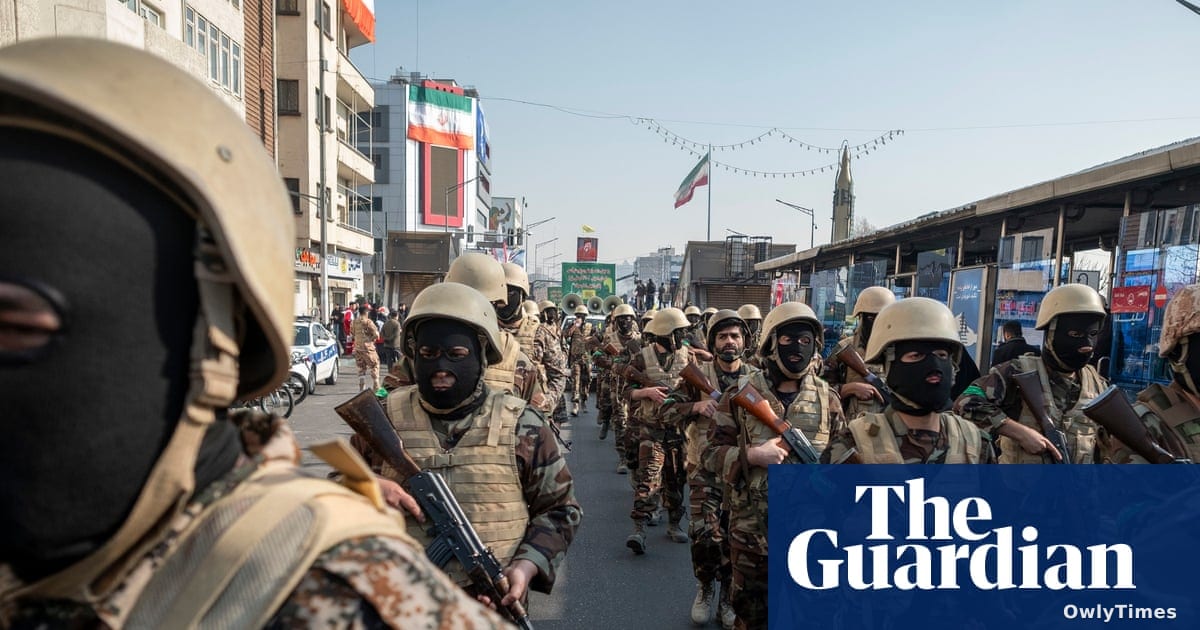
On Monday, the UK government announced a major escalation in national security policy, confirming it will designate Iran’s Islamic Revolutionary Guard Corps (IRGC) as a threat to national security, effectively banning support for the organization. As reported by The Guardian, this move overturns years of previous government reluctance and makes it a criminal offense to support the group in any capacity. While the Guardian frames this as a form of proscription, the BBC clarifies that the designation allows for prison sentences of up to 14 years for those expressing support or providing assistance.
From Cyber-Sabotage to Physical Arson
The shift in policy is a direct response to a surge in domestic threats that blur the line between espionage and common criminality. According to ABC News, the government is also banning the Islamic Movement of the Companions of the Right (IMCR), an Iran-backed proxy group that has claimed responsibility for a series of arson attacks on synagogues and Jewish charity ambulances in London. Security Minister Angela Eagle noted that the IRGC’s Qods Force—the Guard’s expeditionary unit—likely directed these attacks, which have also spread to Belgium and the Netherlands.
The scale of the threat is staggering. The BBC reports that MI5 identified at least 20 potentially lethal Iranian-backed plots against individuals in the UK over the past year. These aren't just abstract intelligence failures; they represent a "playground" for foreign states to project power, as Prime Minister Keir Starmer put it. Alongside the Iranian entities, the UK is also designating the Russian Federation Volunteer Corps (GRU), a group controlled by Russian military intelligence, as a national security threat, marking a two-front crackdown on foreign proxy activity.
The Legal Teeth of the New Mandate
The government is utilizing new powers under the National Security (State Threats) Act, which took effect last week. This legislation is a game-changer for prosecutors. As the BBC explains, the law removes the requirement for prosecutors to establish a direct "foreign power connection" in every instance, making it significantly easier to secure convictions.
While the maximum penalty for general support is 14 years, ABC News notes that for those conducting specific acts of sabotage, the stakes are much higher: life imprisonment. The government expects to finalize these regulations through Parliament by the end of this week.
A New Normal for Proxy Warfare
This move brings the UK in line with the US, Canada, Australia, and the European Union, the latter of which added the IRGC to its terror list in January. However, the move is expected to carry a heavy diplomatic cost. The Guardian warns that the designation will likely lead to a further cooling of relations with Tehran, with officials bracing for the potential expulsion of the UK ambassador to Iran.
We are moving into an era where "state-backed aggression" is no longer confined to the shadows of the dark web; it is now an active, physical variable in everyday life. The concrete trigger to watch is the parliamentary vote later this week, which will solidify these powers. If the legislation passes as expected, the UK’s legal system will shift from an investigative posture to one of active criminal prosecution against anyone acting as a proxy agent—a move that will undoubtedly redefine the boundaries of foreign intelligence operations on British streets.