
As the 2026 FIFA World Cup progresses, the tournament has become a focal point for both intense athletic competition and broader social phenomena, ranging from the physical toll of fan excitement to the logistical challenges of hosting a global event across three nations. While headlines often focus on the spectacle of the matches themselves, recent reporting reveals a deeper intersection between human physiology, community identity, and the high-stakes environment of international sport.
The Physical Toll of Fandom
Scientific interest in the impact of high-stakes sports on spectators has gained traction, with researchers exploring how the "good stress" of a match affects the body. According to the BBC, an experiment conducted during an England match utilized physiological monitoring to track heart rate, blood pressure, and cortisol levels in real-time.
While the study’s headline-grabbing conclusion might suggest that watching football is "good for your health," the actual findings are more nuanced. The subject, who maintained a baseline heart rate of 54 beats per minute, experienced a spike to 69 beats per minute within half a second of a goal being scored. The data suggests that for physically fit individuals, this represents a "mild form of exercise" that triggers a beneficial flight-or-fight response. However, the study notes significant limitations: this "Special Forces"-level stress resilience is not universal, and the experiment was conducted in a controlled, sober environment, which may not reflect the reality of the broader fan experience.
The Ronaldo Effect and Community Identity
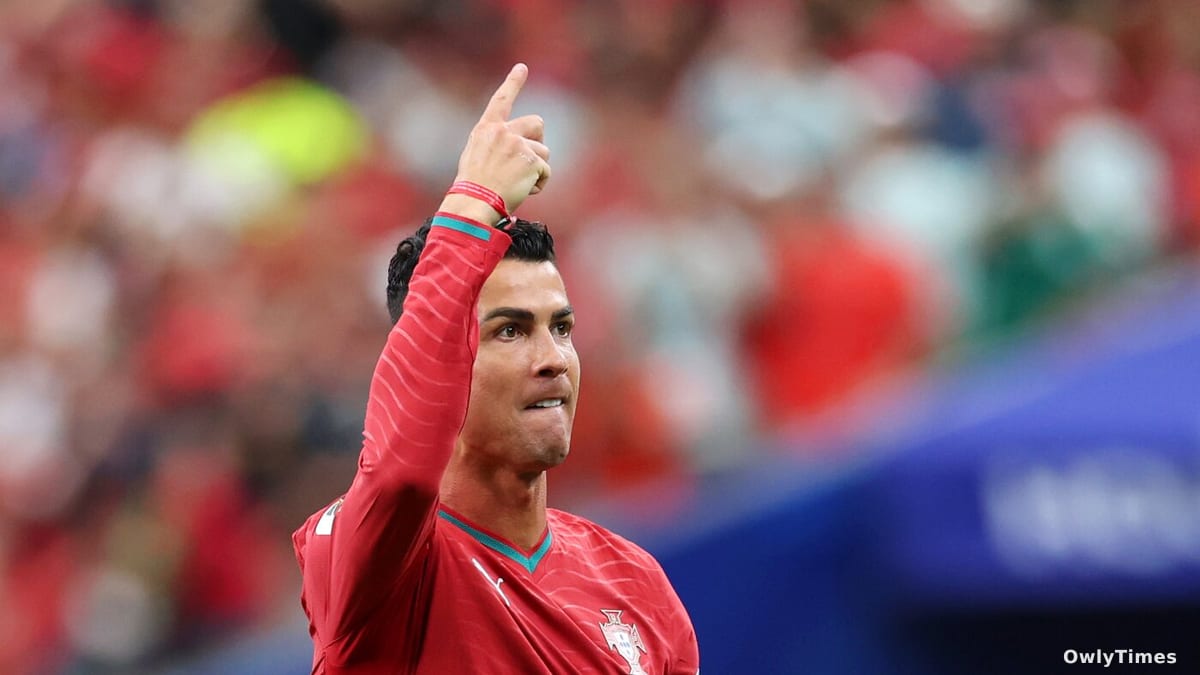
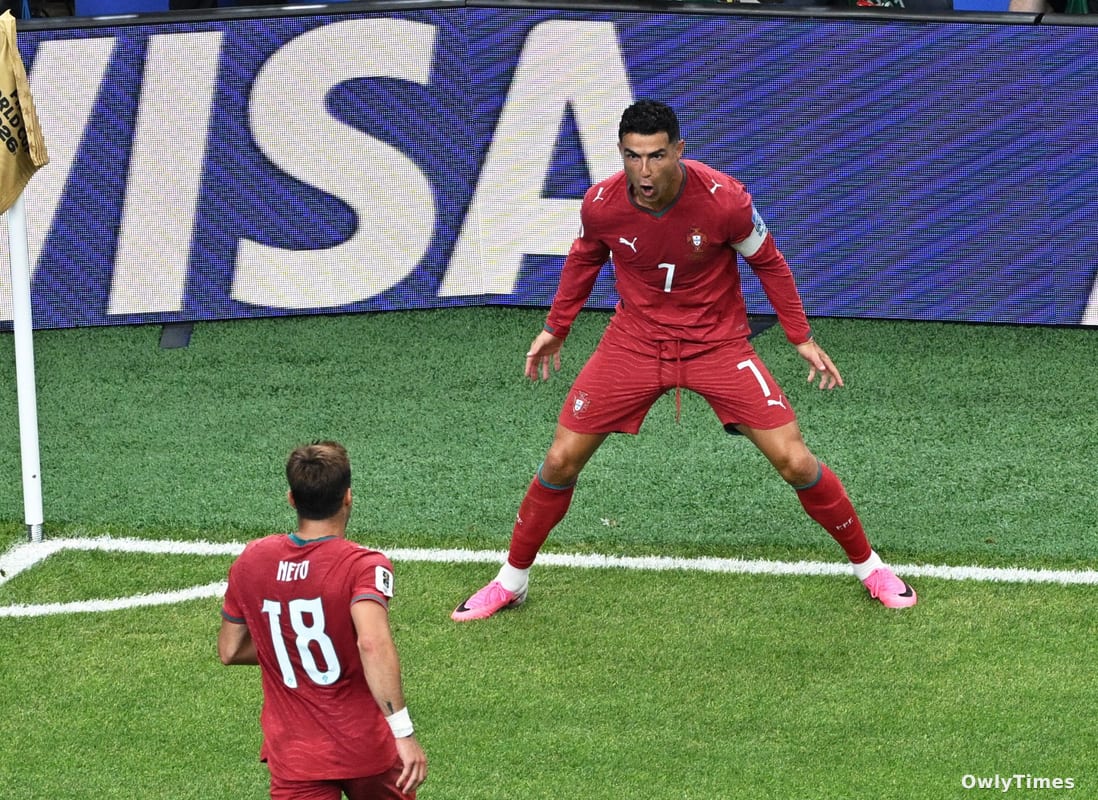
Beyond the physiological response, the tournament has served as a cultural anchor for diaspora communities. In Toronto, the arrival of the Portuguese national team for their round-of-32 clash against Croatia drew massive crowds. As reported by Al Jazeera, the city experienced a surge of "Ronaldo fever," with thousands lining the streets to catch a glimpse of the 41-year-old icon.
This event highlights the tension between the accessibility of global stars and the economic realities of modern sports. Al Jazeera notes that while ticket prices for the match were advertised as high as $30,000 CAD on resale platforms—despite Ontario laws prohibiting markups—the actual average resale price has hovered between $2,500 and $3,500 CAD. This frenzy underscores a unique moment for the local Portuguese-Canadian community, where the tournament acts as a bridge between immigrant history and current cultural pride.
Navigating the Tournament Landscape
As the tournament moves toward the quarter-finals, the logistical and athletic hurdles for competing teams have become increasingly apparent. The Guardian reports that teams like England are grappling with the physiological challenges of playing at high altitudes, specifically ahead of their upcoming match in Mexico City. England manager Thomas Tuchel has publicly identified this as a "huge advantage" for the host nation, framing the situation as a critical test of his squad's physical conditioning.
Meanwhile, CBS News provides a broader look at the tournament’s structure, noting that the U.S. Men’s National Team is set to face Belgium in the round of 16 on July 6 at Lumen Field. The tournament, which features 48 teams and 104 matches, is currently in a state of rapid transition. As the round of 16 concludes on July 7, the focus will shift toward the quarter-finals scheduled for July 9 and 10. The next major milestone for the tournament will be the final match, slated for July 19 at MetLife Stadium, a date that will mark the conclusion of the 39-day event and determine the ultimate victor. Future research into the tournament’s impact will likely shift from these individual physiological responses toward a broader analysis of the long-term infrastructure and social legacy left behind in the host cities.